

 English
  中文简体
中文简体 

CA33
The CA33 A 3222FM61 American Brake Shoes is a high-performance, heavy-duty component specifically engineered to meet and exceed the rigorous demands o...
See Details
Content
Brake linings are the friction material bonded or riveted to brake shoes in drum brake systems, designed to press against the inner surface of a rotating brake drum to generate the friction force that slows and stops a vehicle. They are the functional heart of the drum braking system, converting the kinetic energy of a moving vehicle into heat through controlled friction. While disc brake pads receive the majority of attention in modern passenger vehicle discussions, brake linings remain the dominant braking component in heavy-duty trucks, buses, trailers, agricultural machinery, and many commercial vehicles worldwide — applications where drum brakes continue to be preferred for their self-energizing characteristics, high thermal mass, and resistance to contamination.
When the brake pedal is depressed, hydraulic or air pressure forces the brake shoes outward against the drum's interior surface. The lining material, pressed firmly against the rotating drum, generates friction proportional to the applied force and the coefficient of friction of the lining compound. This friction decelerates the drum and, by extension, the wheel and vehicle. The entire energy of deceleration is absorbed as heat within the lining and drum — which is why the thermal properties of the lining material are just as critical as its frictional characteristics. A lining that performs well at ambient temperature but fades under sustained braking heat is a serious safety liability, particularly in commercial vehicle applications on long downhill grades.
The composition of brake lining material directly determines its friction coefficient, heat tolerance, wear rate, noise characteristics, and compatibility with different drum materials. Over the decades, the brake lining industry has moved through several generations of material technology, driven by both performance demands and increasingly stringent environmental and health regulations. Understanding the differences between these material types is essential for making informed replacement decisions.
Asbestos was the dominant brake lining material for most of the twentieth century due to its exceptional heat resistance, stable friction characteristics, and low cost. However, asbestos fibers released during brake wear and servicing are a proven carcinogen, causing mesothelioma and other serious lung diseases. Asbestos brake linings are now banned or heavily restricted in most countries and should never be used in any new braking application. Vehicles still fitted with asbestos linings require specialist handling during service to prevent fiber release and exposure.
Non-asbestos organic linings replaced asbestos compounds by combining fibers such as glass, rubber, carbon, and Kevlar with organic binders and friction modifiers. NAO linings are quieter, gentler on drum surfaces, and generate less dust than semi-metallic compounds. Their primary limitation is lower heat tolerance and higher wear rates under sustained heavy-duty use, making them better suited to lighter commercial vehicles, passenger cars, and low-intensity applications rather than high-load truck and bus platforms.
Semi-metallic brake linings incorporate between 30% and 65% metal content — typically steel wool, copper fibers, or iron powder — bound with organic or synthetic resin. This metallic content dramatically improves heat dissipation and extends the operating temperature range, making semi-metallic linings well-suited to heavier vehicles and high-cycle braking applications. The trade-off is greater drum wear, increased noise at low temperatures, and higher dust generation compared to organic compounds.
Sintered brake linings are manufactured by compressing and heat-bonding metal powders — typically bronze, iron, or copper alloys — without organic binders. The resulting material is extremely durable, maintains consistent friction coefficients at very high temperatures, and is highly resistant to moisture and contamination. Sintered linings are the preferred choice for severe-duty applications including mining vehicles, military equipment, railway rolling stock, and aircraft. Their high cost and aggressive wear on drum surfaces make them unsuitable for standard commercial and passenger vehicle use.
Ceramic fiber-reinforced brake linings represent the current frontier of non-metallic lining technology. They offer excellent heat stability, very low dust generation, minimal drum wear, and consistent friction performance across a wide temperature range. Increasingly used in both commercial vehicles and high-performance passenger applications, ceramic linings address many of the shortcomings of earlier material types — though they typically carry a higher unit cost than conventional organic or semi-metallic alternatives.
Selecting brake linings based on price or brand alone is a mistake that can compromise both vehicle safety and operating economics. Several technical specifications define how a brake lining will actually perform in service, and these must be matched carefully to the vehicle's application, weight class, and operating environment.
| Specification | What It Means | Why It Matters |
| Friction Coefficient (μ) | Ratio of friction force to applied force | Determines stopping power for a given brake application pressure |
| Friction Code (SAE J866) | Two-letter code indicating normal and hot friction levels | Enables standardized comparison between lining products |
| Maximum Operating Temperature | Highest sustained temperature before fade or degradation | Critical for downhill, loaded, or high-cycle braking applications |
| Wear Rate | Material loss per unit of braking energy | Determines service life and replacement interval |
| Compressibility | Deflection under load at specified pressures | Affects pedal feel and brake response characteristics |
| Shear Strength | Bond strength between lining and shoe | Prevents lining separation under high braking loads |
The SAE J866 friction code is a practical tool for comparing linings. The first letter indicates the normal cold friction coefficient and the second indicates the hot friction coefficient after thermal cycling — both letters correspond to standardized ranges from C (very low, below 0.15) through G (very high, above 0.45). A lining coded "EE" performs consistently at moderate friction levels both cold and hot, while one coded "EF" increases slightly in friction when heated — a characteristic that can be advantageous or problematic depending on the application.
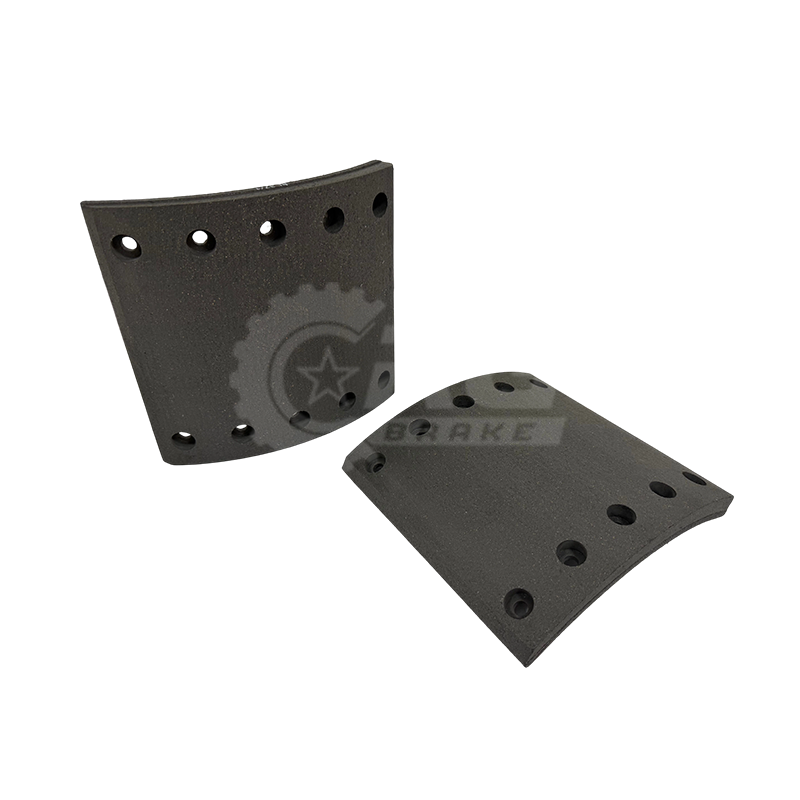
Worn brake linings do not fail all at once — they degrade progressively, and the warning signs become apparent well before complete lining failure. Recognizing these signs early allows planned replacement rather than emergency service, and more importantly, prevents the catastrophic consequences of lining failure on a loaded commercial vehicle or in high-traffic conditions.
Replacing brake linings is a precision task that goes well beyond simply swapping old friction material for new. The condition of the entire drum brake assembly must be assessed and addressed during lining replacement to ensure the new linings perform correctly and achieve their rated service life. Cutting corners during lining replacement is a false economy that leads to premature wear, poor performance, and potential safety failures.
Before fitting new linings, the brake drum must be measured for internal diameter, out-of-round condition, and surface finish. Drums that have developed scoring, heat cracks, or excessive taper from years of lining contact will cause new linings to wear unevenly and fail to achieve full contact area — reducing braking efficiency and generating noise. Drums within the manufacturer's serviceable oversize limit can be machined to a smooth, true surface. Drums that have exceeded the maximum diameter specification must be replaced. Attempting to fit new linings to a badly worn drum wastes the cost of the new linings.
Wheel cylinders should be inspected for leakage, bore corrosion, and piston seal condition at every lining replacement. A seeping wheel cylinder will contaminate new linings with brake fluid within a short period, destroying their friction characteristics and requiring a repeat replacement. Return springs, adjuster mechanisms, and hold-down hardware should also be replaced as a matter of course — these small components are inexpensive relative to labor costs, and their failure after a lining replacement leads to premature wear, dragging brakes, or loss of brake adjustment.
New brake linings require a controlled bedding-in period to achieve full contact between the lining surface and the drum, and to allow the friction material's surface layer to cure and stabilize. For commercial vehicles, this typically involves a series of moderate brake applications from progressively higher speeds with cooling intervals between each stop — following the lining manufacturer's specific bedding procedure. Aggressive braking with new linings before they are fully bedded can cause glazing of the lining surface, which permanently reduces the friction coefficient and cannot be corrected without replacing the linings again.
The single most important principle in brake lining selection is matching the lining specification to the actual operating demands of the vehicle. Using a lining designed for light-duty urban delivery on a long-haul truck operating mountain routes, or fitting a high-temperature severe-duty compound to a vehicle that never generates significant braking heat, are both mistakes that result in either premature failure or unnecessary cost. The following guidelines provide a practical framework for application matching.
When in doubt, consult the vehicle or axle manufacturer's brake specification documentation and match the friction code exactly to the original equipment specification. Upgrading to a higher-performance lining compound is only beneficial if the rest of the brake system — drums, wheel cylinders, actuation force — is also capable of handling the increased friction levels without adverse effects on brake balance or control. A brake system is only as effective as its weakest component, and brake linings are the critical interface where engineering specification meets real-world safety.
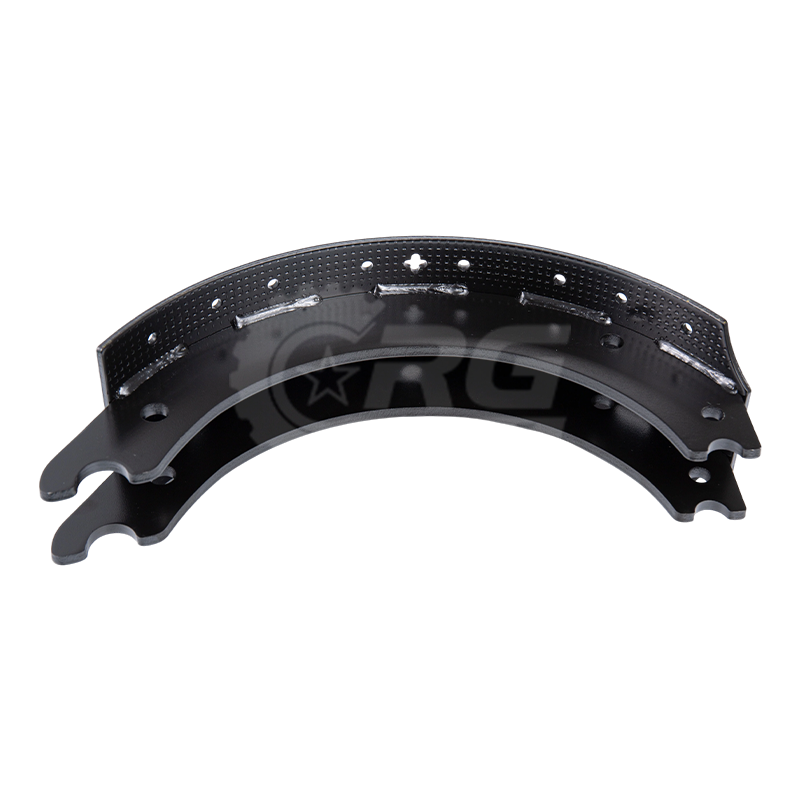
The CA33 A 3222FM61 American Brake Shoes is a high-performance, heavy-duty component specifically engineered to meet and exceed the rigorous demands o...
See Details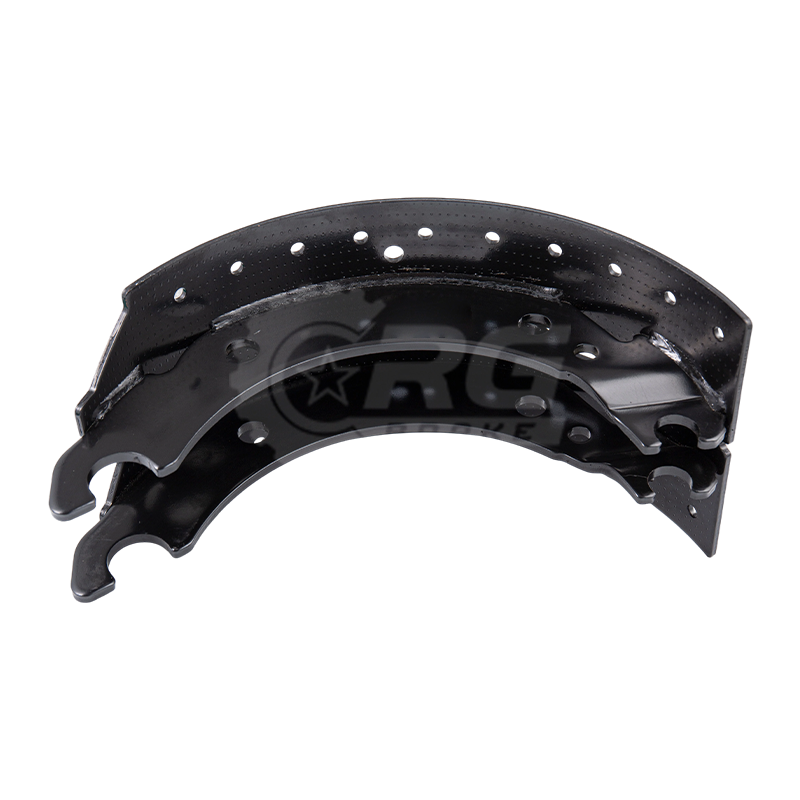
The BPW200 05.091.27.83.0 European Brake Shoes, with a size specification of 420×200mm, is a high-performance aftermarket replacement component that i...
See Details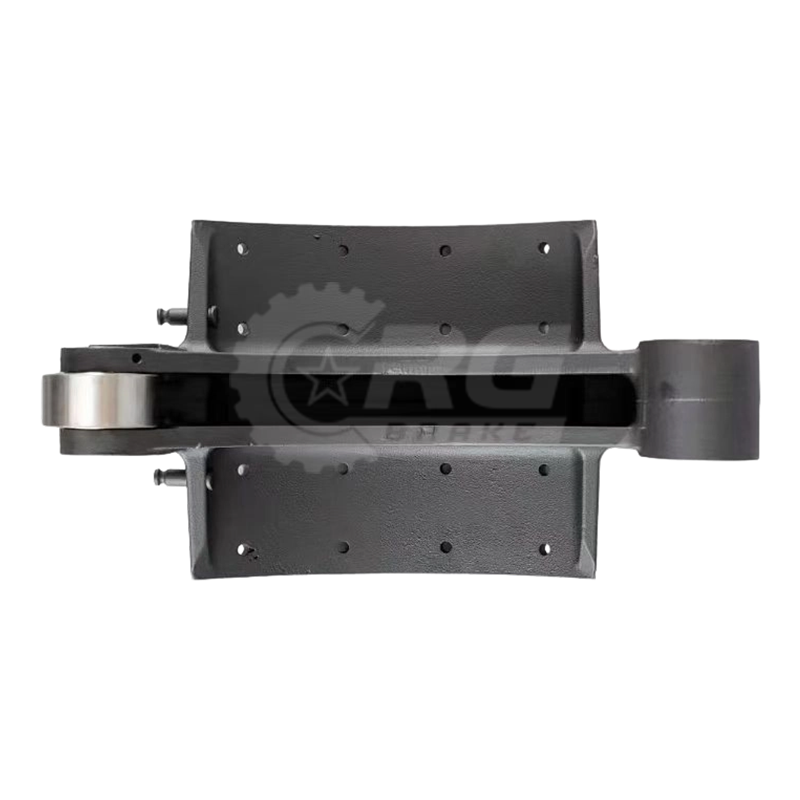
The SC254 1104545 Cast Brake Shoes is a premium-grade, high-performance braking component meticulously engineered for heavy-duty commercial vehicles. ...
See Details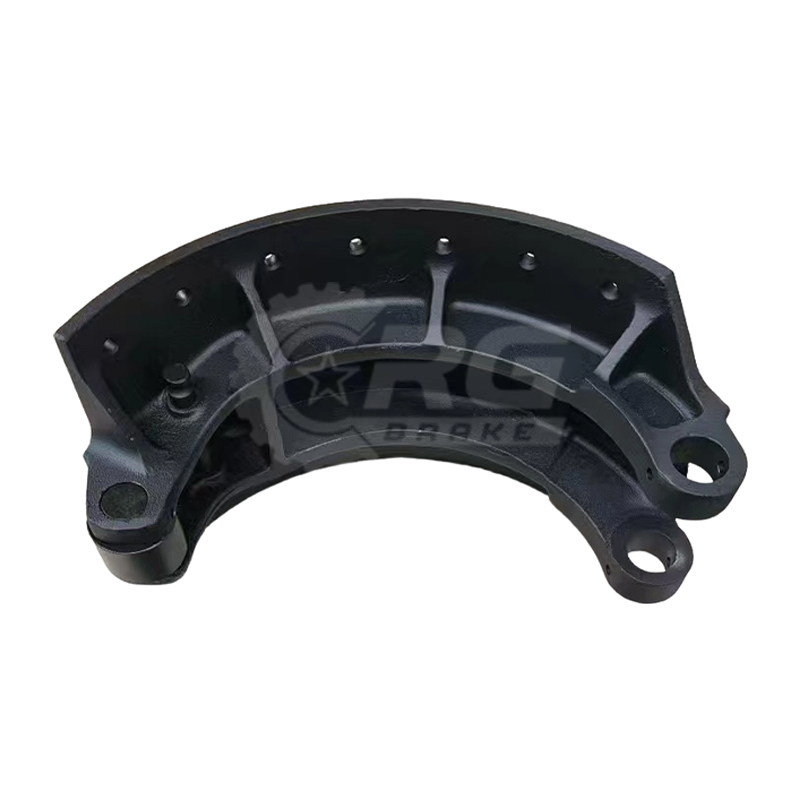
The VOLVO200 1137701 Cast Brake Shoes, with a dimension of 410×200 mm, is meticulously designed to fulfill the demanding performance and safety requir...
See Details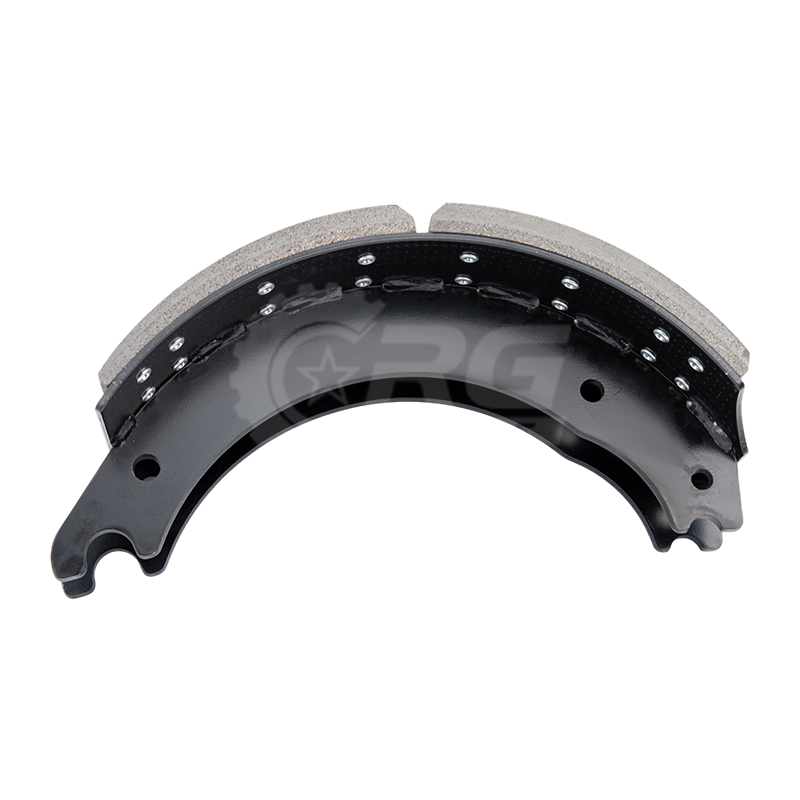
The 4515Q A91 3222 S1293 Lined Brake Shoes is a high-performance braking component meticulously engineered to meet the rigorous demands of modern brak...
See Details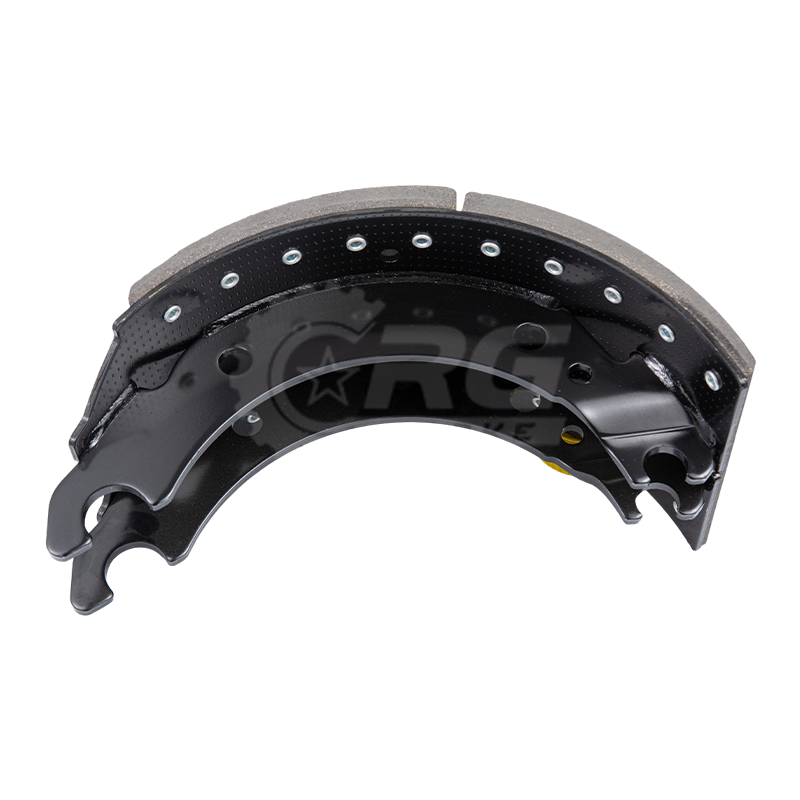
BPW200 05.091.27.83.0 Lined Brake Shoes is a premium, high-performance braking component meticulously engineered for use in commercial vehicle braking...
See Details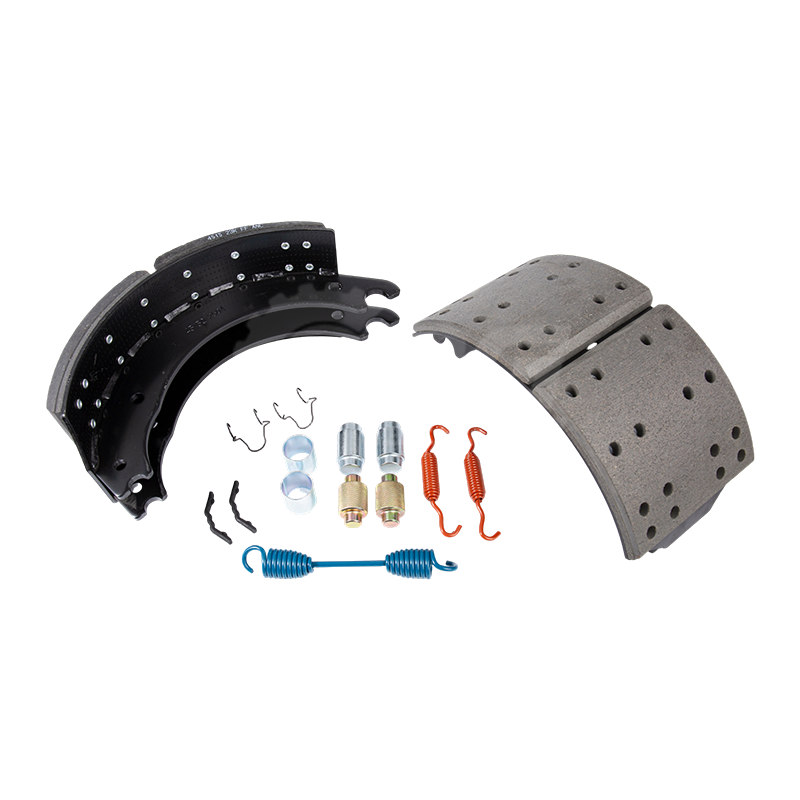
The 4515Q A91 3222 S1293 Lined Brake Shoes With Hardware Kits are expertly engineered to deliver exceptional braking performance and durability. Measu...
See Details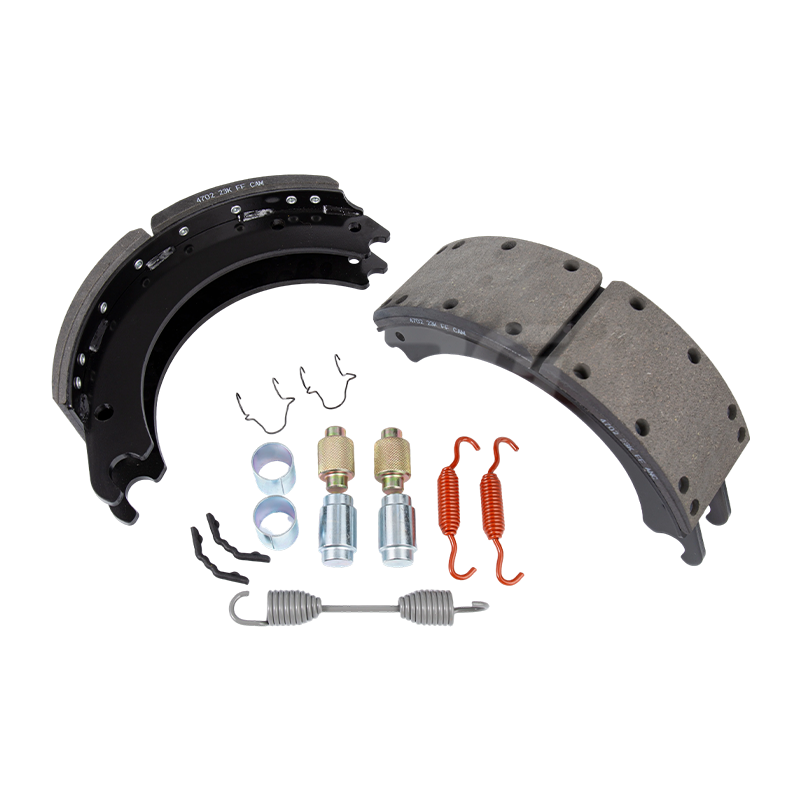
The 4702Q A3222 M2223 Lined Brake Shoes With Hardware Kits with Hardware Kits, measuring 15 inches by 4 inches, are meticulously engineered to provide...
See Details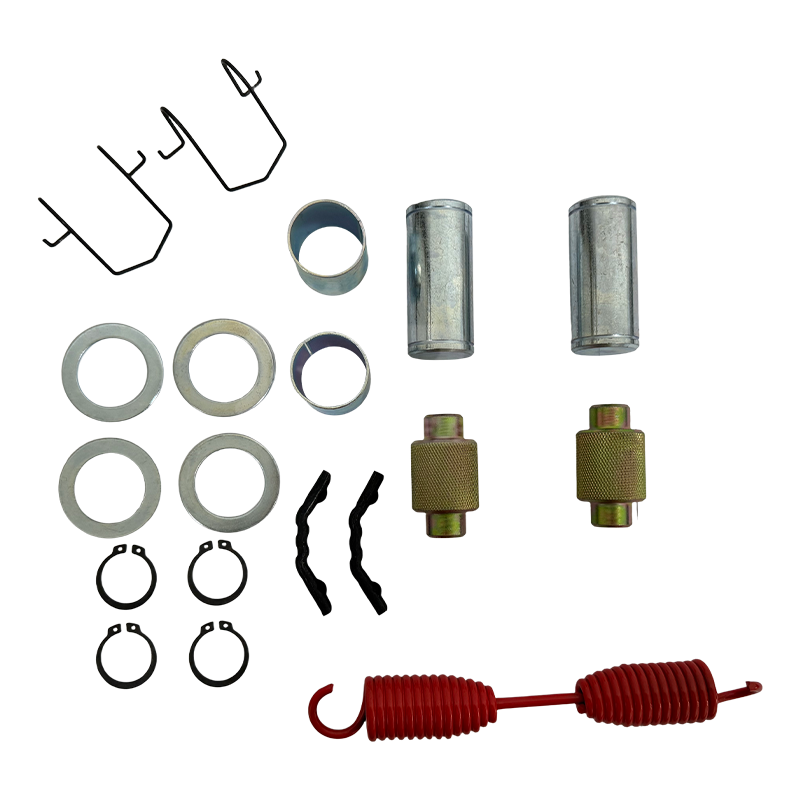
The 4515E E-1816SHD Hardware Kits, identified by the OEM number E-1816SHD, is a premium-quality hardware kit meticulously engineered for comprehensive...
See Details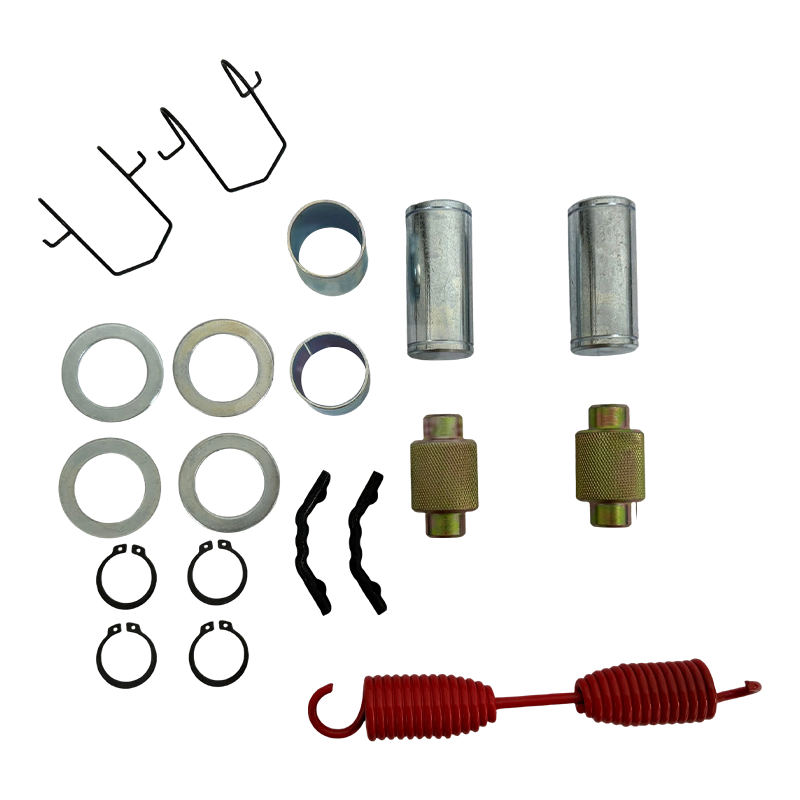
BPW NEW Brake Repair Kit represents a state-of-the-art, precision-engineered hardware solution specifically designed for the high-performance maintena...
See DetailsGet a Free (Customized) Quote

derek@crgbrake.com
vicky@crgbrake.com

 OUR Product
What’s News
Copyright © Zhejiang Courage Auto Parts Co., Ltd. All Rights
Reserved
 Commercial Vehicles CRG Brake Parts Manufacturers