

 English
  中文简体
中文简体 

4515Q
4515Q A91 3222 S1293 American Brake Shoes is a premium, high-performance replacement component meticulously engineered for use in heavy-duty braking s...
See Details
Content
Brake linings play a critical role in vehicle safety, directly affecting stopping distance, pedal feel, noise levels, and long-term durability. When sourcing replacement linings, buyers often face a choice between American Brake Linings and European Brake Linings, two distinct product families built around different engineering philosophies. While both are designed to deliver reliable braking performance, they differ in friction material composition, dimensional standards, and the driving conditions they are optimized for. Understanding these differences helps vehicle owners, mechanics, and fleet managers make an informed decision when selecting the right lining for their specific application.
Brake lining design evolved differently across regions due to variations in vehicle engineering traditions, road conditions, regulatory testing requirements, and driving habits. American manufacturers historically focused on durability and heavy load-carrying capacity, particularly for trucks, buses, and commercial vehicles that travel long distances and carry substantial weight. European manufacturers developed linings suited to higher average speeds, tighter braking tolerances, and vehicles that frequently require quick thermal recovery during repeated braking cycles common in dense urban traffic and mountainous terrain.
These historical differences persist today, resulting in two lining families that, while functionally similar in purpose, are engineered around different performance priorities, vehicle platforms, and regulatory standards.
One of the most significant distinctions between American and European brake linings lies in the friction material formulation. American Brake Linings commonly use semi-metallic or organic-based compounds engineered for consistent performance under heavy, sustained loads, such as those experienced by trucks and buses during long descents or repeated stop-and-go hauling. These formulations are built to resist fade during extended braking and to maintain reliable stopping power across a wide temperature range.
European Brake Linings often incorporate ceramic or low-metallic compounds designed for quieter operation and reduced brake dust generation. These materials tend to produce a smoother, more progressive pedal feel and are optimized for the higher-speed, frequent-braking patterns typical of European highway and urban driving conditions.
Beyond friction material, physical dimensions and mounting configurations represent another major point of divergence between the two lining types. These differences are not merely cosmetic—they directly affect compatibility with specific brake drum or caliper designs, and mismatched parts can compromise braking performance.
| Feature | American Brake Linings | European Brake Linings |
| Common Vehicle Types | Trucks, buses, heavy-duty commercial vehicles | Passenger cars, vans, light-to-medium trucks |
| Friction Material Focus | Heat resistance, load durability | Noise reduction, progressive feel |
| Sizing Standard | Imperial measurements common | Metric measurements common |
| Mounting Style | Riveted or bonded, heavy-duty backing | Bonded, precision-fit backing plates |
Because of these dimensional differences, linings are rarely interchangeable between American and European vehicle platforms without careful cross-referencing. Installing an incorrectly sized lining can lead to uneven wear, reduced braking efficiency, or improper contact with the drum or caliper surface.
When comparing real-world performance, the differences between American and European brake linings become more apparent under specific driving conditions and vehicle applications.
American linings are generally formulated to withstand higher sustained temperatures, making them well-suited for heavy vehicles that experience prolonged braking, such as those descending long grades while fully loaded. This resistance to brake fade is a critical safety factor in commercial trucking and bus operations where consistent stopping power is essential over extended periods.
European linings tend to excel at minimizing noise and reducing visible brake dust accumulation on wheels, which is often a priority for passenger vehicle owners concerned with comfort and appearance. The ceramic-based compounds commonly used in European formulations contribute to this quieter, cleaner operation without sacrificing stopping performance.
European brake linings typically offer more linear and progressive engagement, giving drivers finer control during partial braking maneuvers. American linings, while highly effective under heavy load, can sometimes feel more aggressive during initial bite, which is advantageous for larger vehicles that require immediate stopping force in emergency situations.
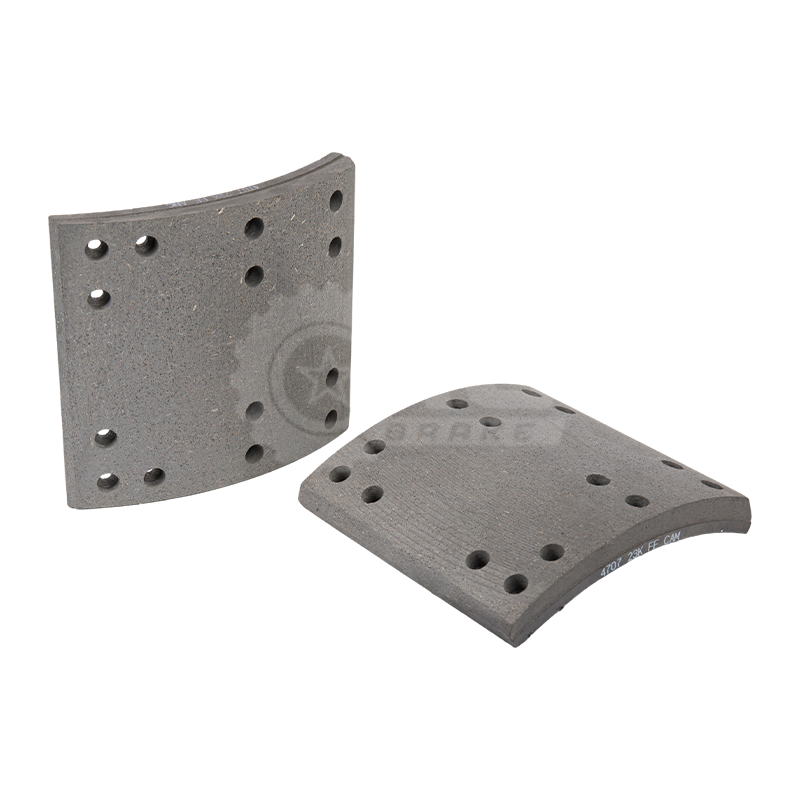
Selecting between American and European brake linings should be based on vehicle type, operating conditions, and specific performance priorities rather than personal preference alone. The following considerations can help guide the decision-making process.
One of the most frequent errors is assuming that linings are universally interchangeable based on general size similarity alone. Even small dimensional discrepancies can result in improper seating within the brake drum or caliper, leading to uneven wear patterns, reduced friction contact, and potentially compromised stopping performance. Another common mistake is prioritizing cost over application suitability, such as installing a lining optimized for quiet passenger car operation on a heavy commercial vehicle that requires stronger heat resistance.
It is also important to avoid mixing lining types across axles or within the same brake system, as inconsistent friction characteristics can create uneven braking force distribution. Working with a knowledgeable supplier who can verify cross-reference numbers and application-specific requirements helps prevent these costly and potentially unsafe mismatches.
Ultimately, choosing between American and European brake linings comes down to matching the lining's engineering strengths to the vehicle's operating demands. American Brake Linings offer superior heat resistance and durability for heavy-duty, high-load applications, while European Brake Linings provide quieter operation, reduced dust, and more progressive pedal feel suited to passenger vehicles and urban driving conditions. By carefully evaluating vehicle type, driving environment, and dimensional compatibility, buyers can select the lining that delivers safe, consistent, and long-lasting braking performance for their specific needs.
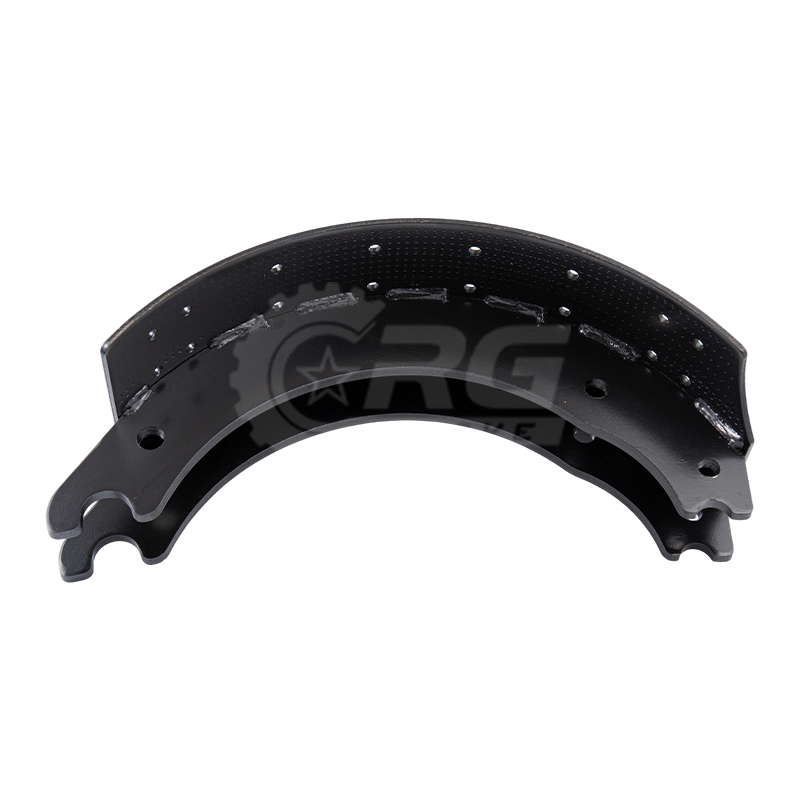
4515Q A91 3222 S1293 American Brake Shoes is a premium, high-performance replacement component meticulously engineered for use in heavy-duty braking s...
See Details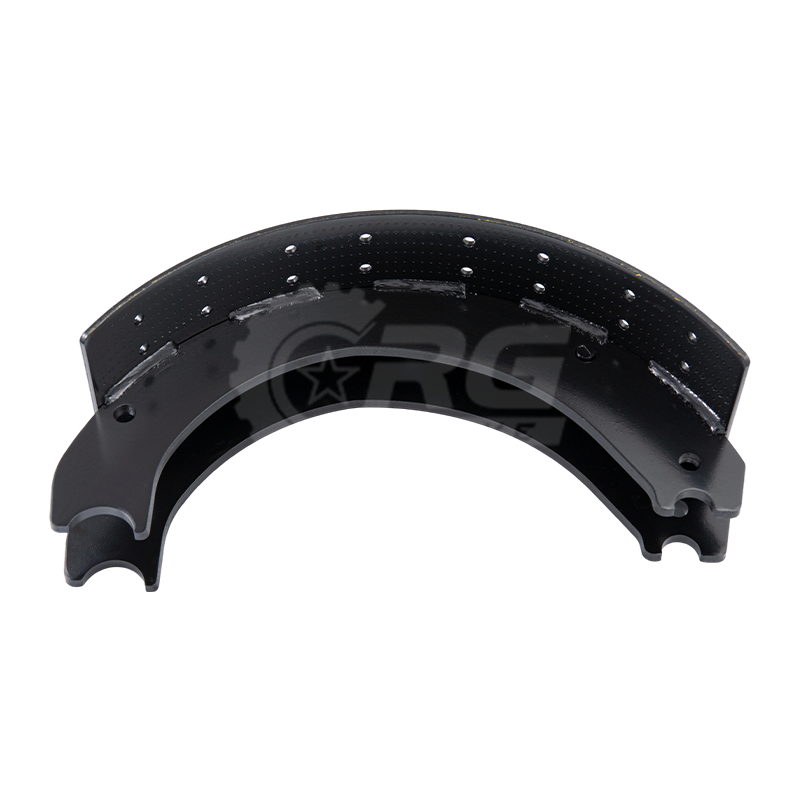
4709ES2 EATON 819707 American Brake Shoes is a high-performance, heavy-duty braking component meticulously engineered to meet the stringent requiremen...
See Details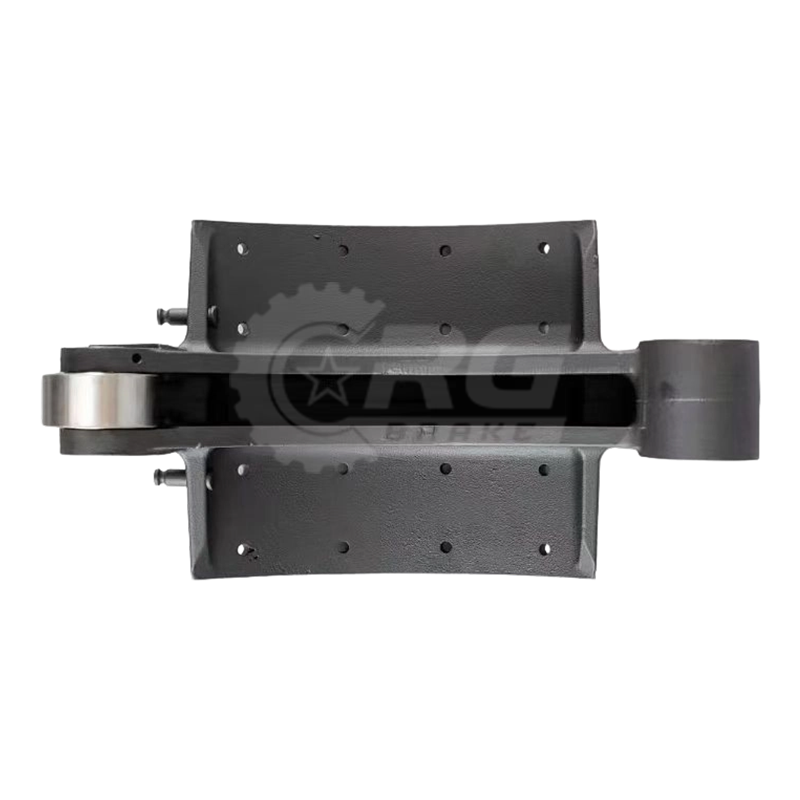
The SC254 1104545 Cast Brake Shoes is a premium-grade, high-performance braking component meticulously engineered for heavy-duty commercial vehicles. ...
See Details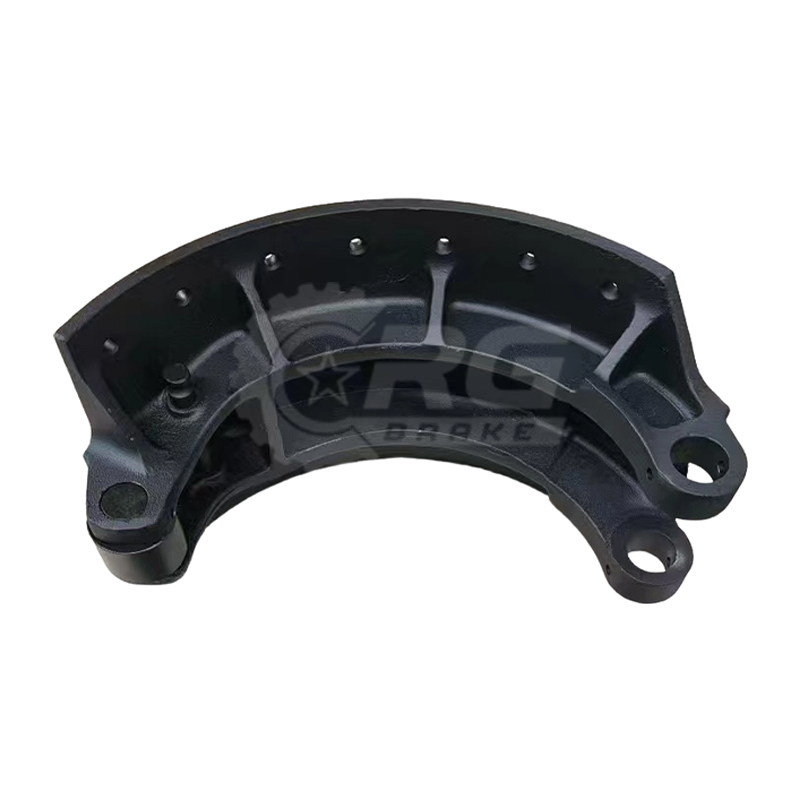
The VOLVO200 1137701 Cast Brake Shoes, with a dimension of 410×200 mm, is meticulously designed to fulfill the demanding performance and safety requir...
See Details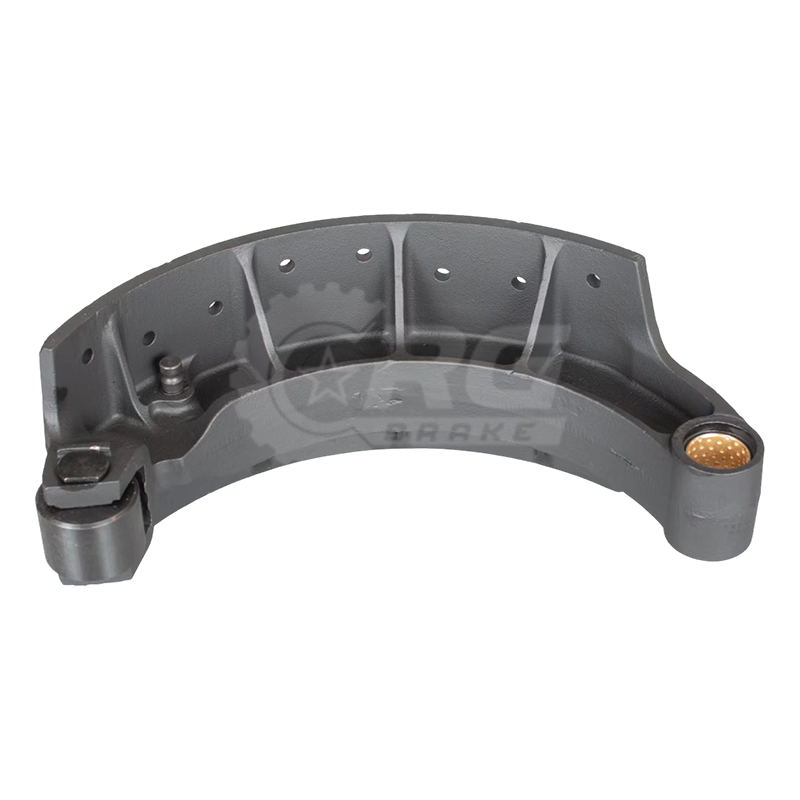
BENZ180 659 420 0619 Cast Brake Shoes, with precise dimensions of 410×180mm, is meticulously engineered to meet the rigorous demands of commercial and...
See Details
The 4707 American Brake Linings are engineered to deliver outstanding braking performance, specifically designed to handle the rigorous demands of hea...
See Details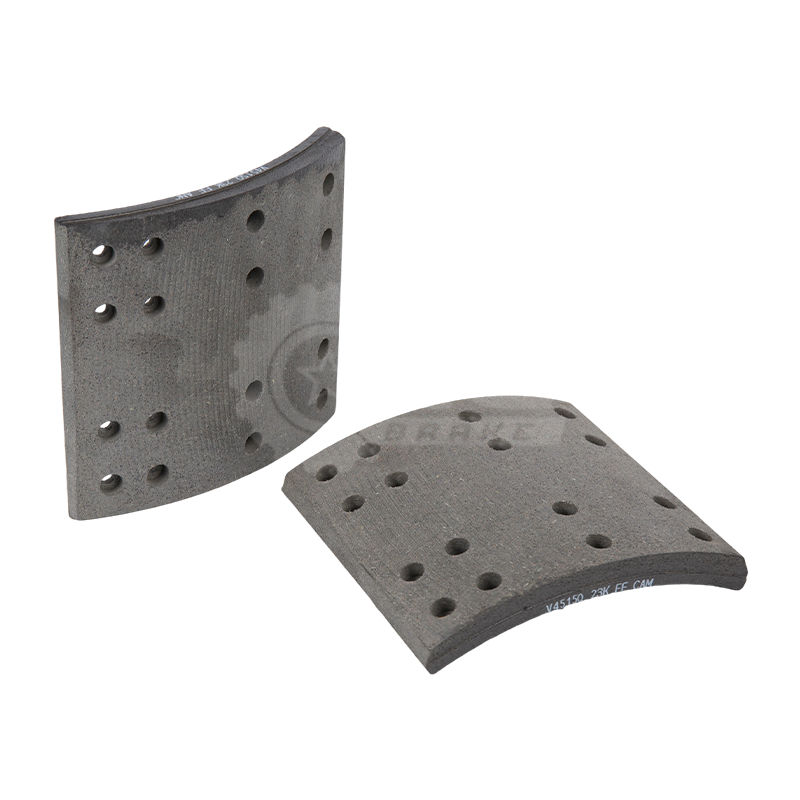
The 4515 American Brake Linings brake shoe is designed with a standard 16.5" x 7" dimension, which has been widely recognized as an optimal size for m...
See Details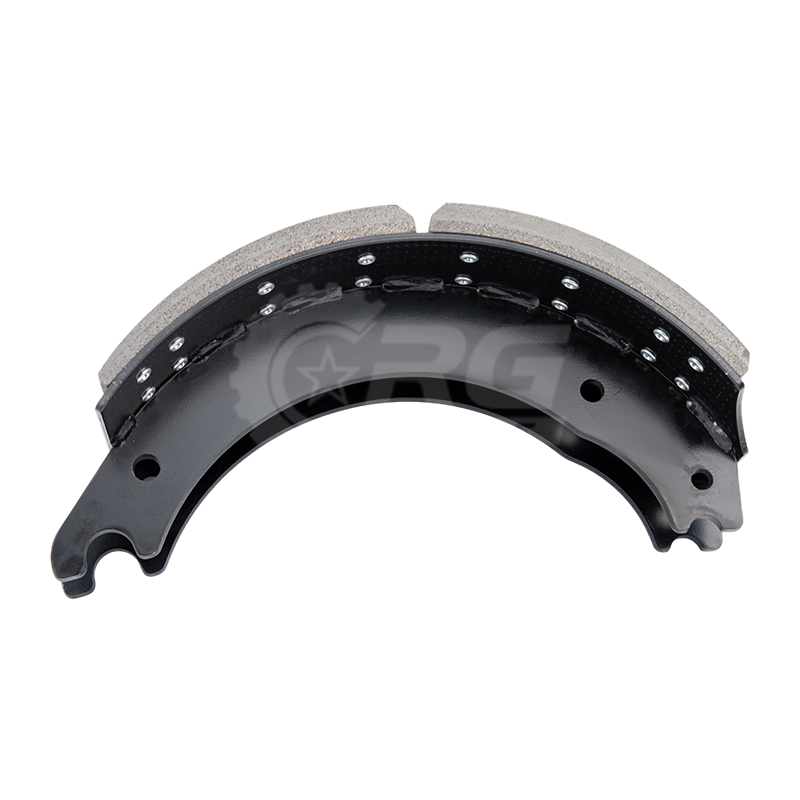
The 4515Q A91 3222 S1293 Lined Brake Shoes is a high-performance braking component meticulously engineered to meet the rigorous demands of modern brak...
See Details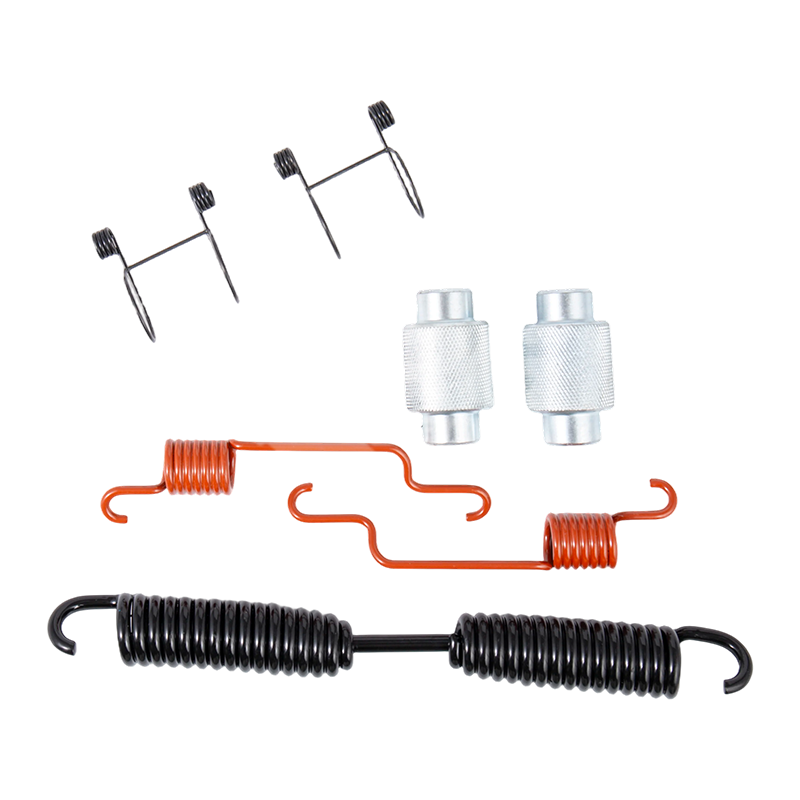
This hardware kit, model E-10244S with part number 4709ES2, is a premium-grade brake repair kit meticulously engineered for comprehensive vehicle brak...
See Details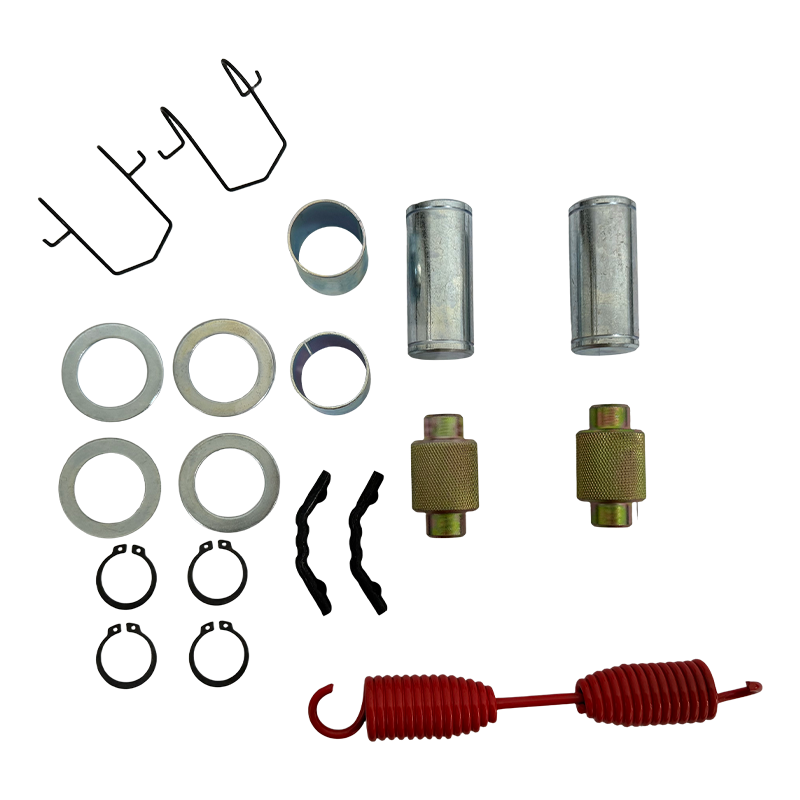
The 4515E E-1816SHD Hardware Kits, identified by the OEM Number E-1816SHD, represents a high-quality and comprehensive hardware set meticulously engin...
See DetailsGet a Free (Customized) Quote

derek@crgbrake.com
vicky@crgbrake.com

 OUR Product
What’s News
Copyright © Zhejiang Courage Auto Parts Co., Ltd. All Rights
Reserved
 Commercial Vehicles CRG Brake Parts Manufacturers