

 English
  中文简体
中文简体 


Understanding Brake Shoe Wear Patterns
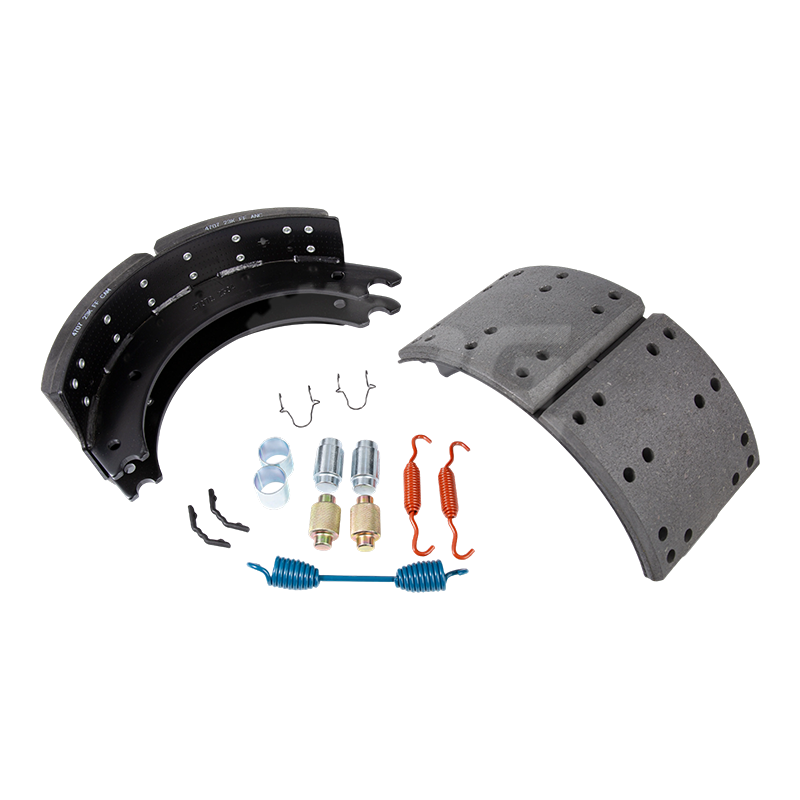
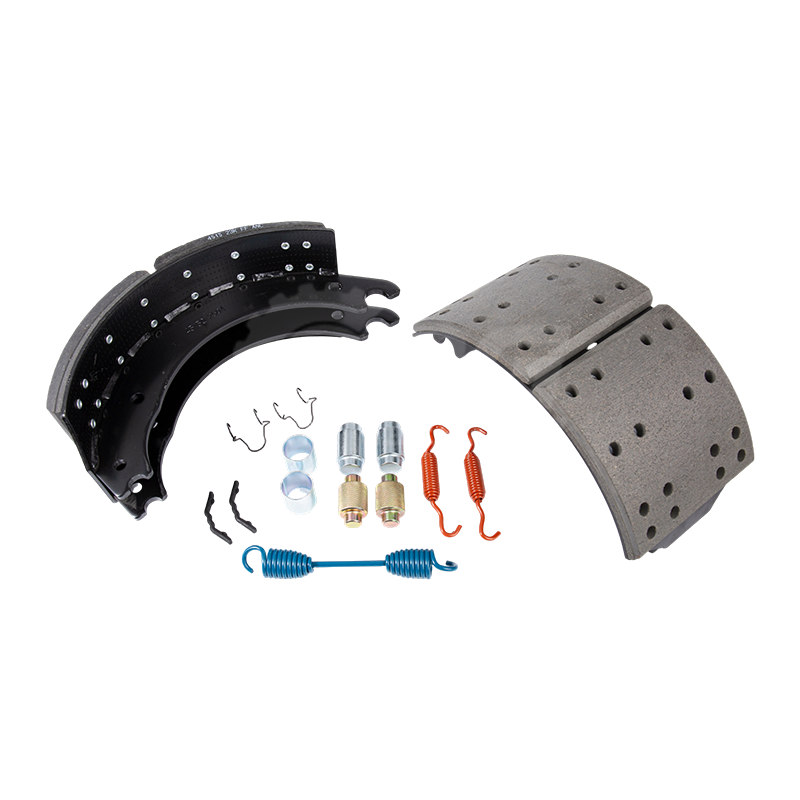
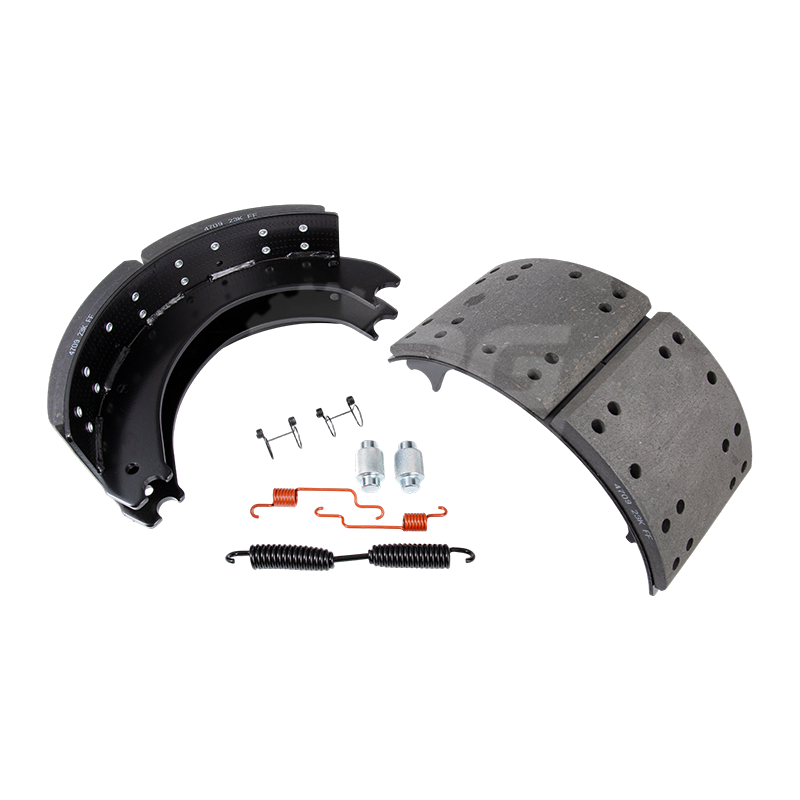
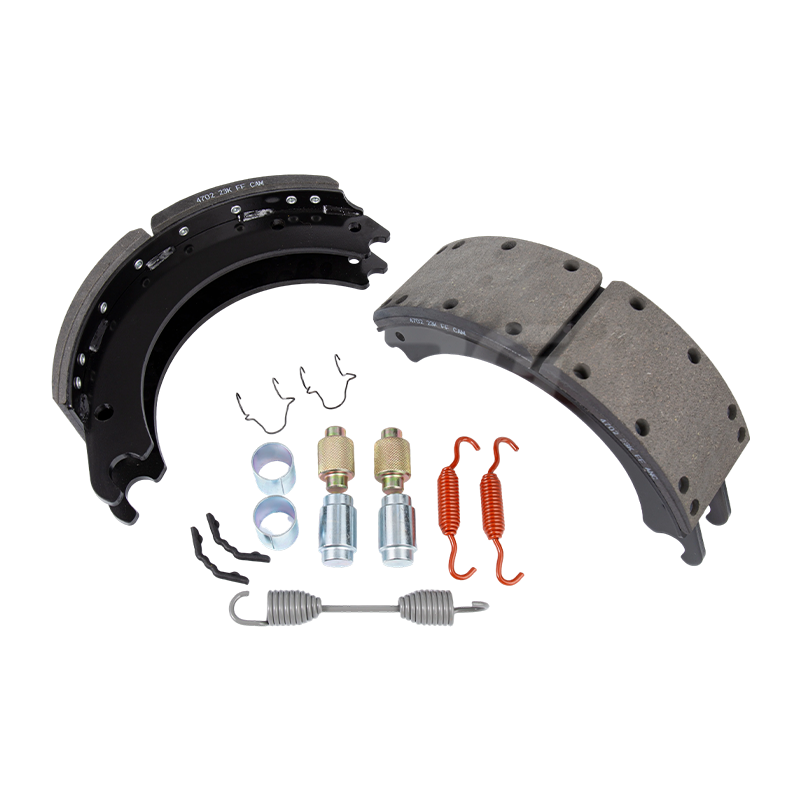
Brake shoes wear unevenly if the drum or hardware is misaligned. Observing wear patterns can reveal underlying issues such as drum out-of-roundness, weak return springs, or misfitted hardware. In my experience, using a complete lined brake shoe with hardware kit ensures consistent alignment and minimizes uneven wear from the start.
- Contact patch monitoring: Inspect friction linings for high spots or glazing.
- Hardware inspection: Check for weakened or corroded springs and retainers.
- Drum condition: Ensure the drum is within service tolerances before installing new shoes.
Optimizing Brake Noise Reduction
Noise often originates from loose hardware or improper contact. Using a high-quality brake shoe kit with all required hardware reduces vibration and ensures consistent contact pressure. I always recommend greasing anchor points lightly to dampen potential squeal without affecting performance.
- Spring tension: Confirm that return springs maintain correct tension.
- Anti-rattle clips: Proper placement reduces vibration-induced noise.
- Lining finish: Light sanding of new linings can help seating without excessive noise.
Material Considerations for Heavy-Duty Applications
Brake linings in commercial vehicles face extreme thermal and mechanical stress. High-quality kits typically feature linings designed for consistent friction coefficients under varying loads and temperatures. From my experience, choosing a kit with durable linings can extend service intervals and reduce downtime significantly.
- Thermal stability: Look for materials that resist fading under repeated stops.
- Friction consistency: Ensure linings maintain braking performance across wet and dry conditions.
- Noise and dust: Some linings are engineered to minimize brake dust and squeal.
Installation Efficiency and Kit Integration
A properly designed lined brake shoes with hardware kits simplifies installation and ensures that all components fit perfectly without modification. I find that having both the shoes and hardware in one kit reduces errors and prevents mismatched parts, which can compromise safety.
- Verify all included components match your drum brake assembly.
- Replace shoes and hardware together to ensure consistent operation.
- Lubricate contact points lightly to maintain smooth brake operation and longevity.
Comparative Performance Table of Lining Materials
| Lining Material | Friction Coefficient | Durability (km) | Noise Level |
|---|---|---|---|
| Organic | 0.35–0.45 | 15,000–25,000 | Low |
| Semi-Metallic | 0.40–0.55 | 25,000–35,000 | Medium |
| Ceramic | 0.35–0.50 | 30,000–50,000 | Very Low |
I often recommend selecting kits that match the vehicle’s typical operating conditions, ensuring both long service life and consistent braking.
Maintenance Insights for Longevity
Routine inspection and proper installation of brake shoes and hardware is crucial for safe operations. I always emphasize the importance of cleaning contact surfaces, checking spring tensions, and replacing worn components with a complete kit. This practice ensures optimal stopping power, minimal noise, and extended brake life.
- Check linings for cracks, glazing, or uneven wear.
- Inspect all hardware for corrosion or deformation.
- Maintain lubrication at anchor points to prevent sticking and uneven engagement.


 OUR Product
