

 English
  中文简体
中文简体 

4515Q
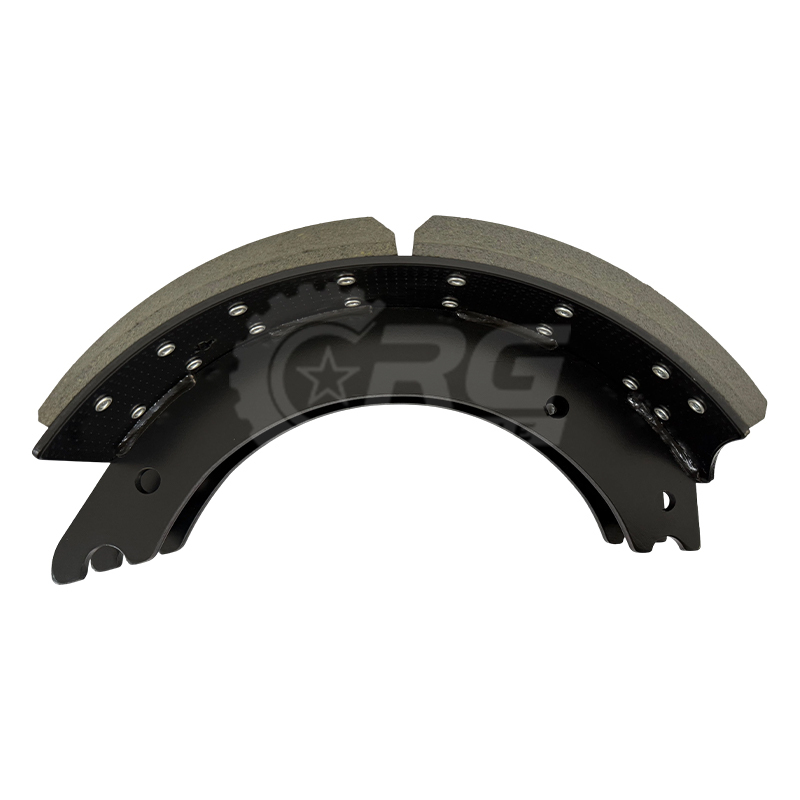
4515Q A91 3222 S1293 American Brake Shoes is a premium, high-performance replacement component meticulously engineered for use in heavy-duty braking s...
See Details
Content
A lined brake shoe with a hardware kit bundles everything a technician needs to complete a drum brake service in a single package — no hunting down separate springs or pins. The kit ships with two pre-lined brake shoes (lining already riveted to the web) plus a matched hardware set sized for that specific shoe and axle configuration.
The hardware set typically includes:
Because the lining is already attached, you skip the time-consuming step of transferring old lining or sourcing a separate bond. For fleet shops running multiple axle services in a day, this single-SKU approach cuts both labor time and the risk of mismatched components.
Ordering the wrong kit is the most common — and most avoidable — mistake in drum brake service. Three numbers drive the decision:
Beyond geometry, pay attention to the brake type designation. Q Plus, ES (Eaton standard), and standard cam configurations use different hardware kits — the shoes themselves may look similar on the shelf but will not install correctly if the hardware does not match the spider and cam geometry at that axle position.
Heavy-duty drum brakes are not universal. The three most common configurations in North American trucking each require a specific shoe-and-hardware pairing.
| Brake Type | Typical Application | Hardware Kit Suffix |
|---|---|---|
| Q Plus | Meritor rear drive axles, tractors | KIT 8000HD or equivalent |
| ES (Eaton Standard) | Eaton front steer axles | EF-1 / ES-5 series |
| Standard | Trailers, tag axles, older truck platforms | RF-3 or application-specific |
Steer axle kits carry additional scrutiny. Steer brakes must deliver consistent, predictable force without pull — so the lining compound, shoe web thickness, and hardware spring rates should all meet the OE specification for that axle, not just a generic "fits most" equivalent.
A fresh lining on worn-out hardware is a brake job that will fail ahead of schedule. Hardware degrades differently from lining — springs lose tension, rollers develop flat spots, and bushings wear oval — but technicians often overlook hardware because it does not visibly score or crack the way lining does.
The difference between economy and premium hardware kits shows up in a few specific places:
For fleets operating in high-moisture or winter-road conditions, powder-coated springs and corrosion-resistant hardware are not a premium upgrade — they are the baseline for achieving expected service intervals.
Most lined shoe kits are engineered to replace OE parts from Meritor, Eaton/Dana, Rockwell, Dayton, and Spicer. A single kit model number often covers a range of OE fitments — for example, a 15"×4" ES-type front kit may replace Eaton, Meritor, and Spicer part numbers simultaneously.
Use these reference points to confirm fitment before installation:
Aftermarket lined shoe kits built to OE dimensional standards — same web thickness, same rivet pattern, same lining compound class — install without modification and deliver equivalent stopping performance. Verify the rivet hole count and rivet size if you are replacing a partially worn shoe to ensure the rivets seat flush rather than proud of the lining surface, which can score the drum immediately.
Even a high-quality lined shoe kit underperforms if the surrounding hardware and drum are not addressed at the same service interval. Before the new shoes go on:
A complete kit — lined shoes plus matched hardware — eliminates the uncertainty of reusing components of unknown fatigue history. Particularly on steer axles and high-use drive axles, starting with new hardware every service cycle is the surest way to achieve consistent stopping distances and pass roadside brake inspections.
Remanufactured lined shoe kits use a reconditioned shoe web with new lining riveted in place, while new kits use a freshly stamped web throughout. Both categories are available in most brake configurations, and the price difference is significant — reman kits typically run 20–40% less than new equivalents.
Reman is a sound choice when the shoe web geometry is preserved and the reman facility applies the same friction compound class as the OE specification. Look for kits that clearly state the lining material class (R-grade, premium, high-density) and confirm the shoe coating spec — bare steel webs in a reman kit corrode faster and may develop stress cracks that a new web would not.
New kits make sense for steer axles, high-mileage fleets replacing brakes on a fixed interval, and any application where the drum and hardware are also being replaced. The incremental cost of a new shoe web is small relative to the total service labor, and it removes one variable from future failure analysis if a brake complaint arises during the next inspection.
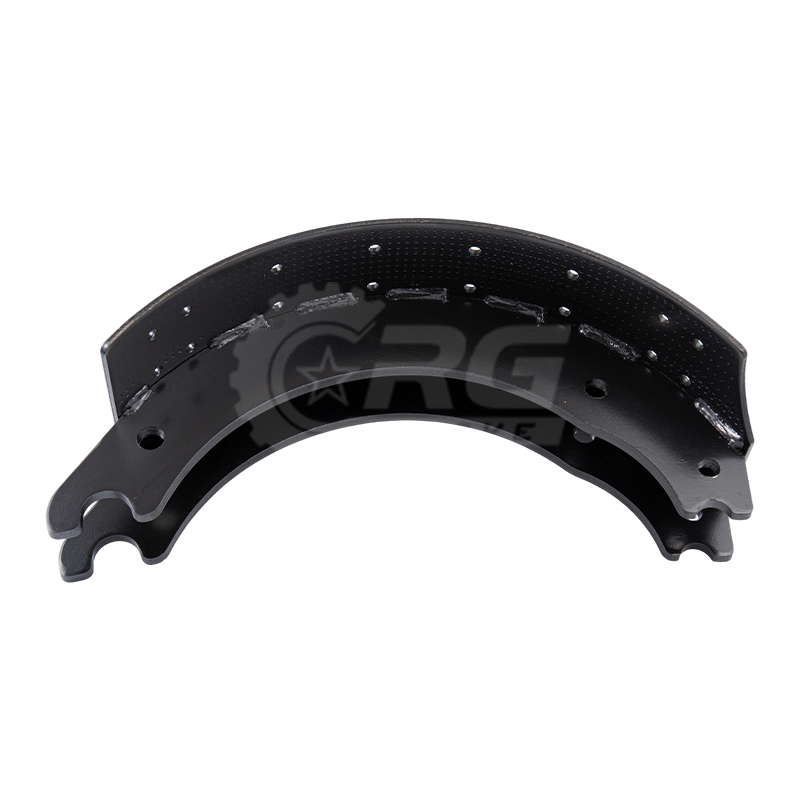
4515Q A91 3222 S1293 American Brake Shoes is a premium, high-performance replacement component meticulously engineered for use in heavy-duty braking s...
See Details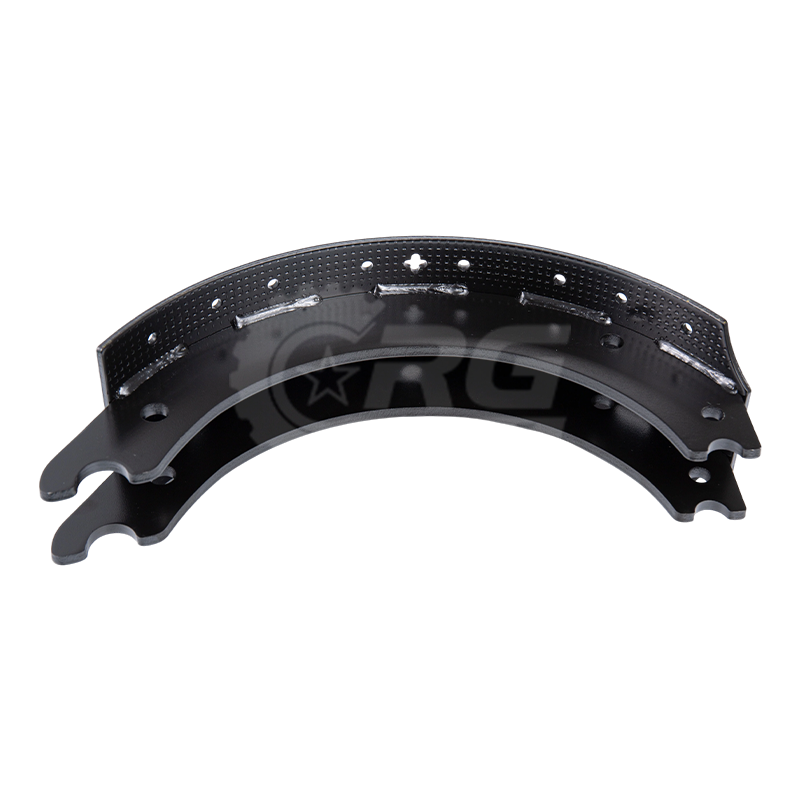
The CA33 A 3222FM61 American Brake Shoes is a high-performance, heavy-duty component specifically engineered to meet and exceed the rigorous demands o...
See Details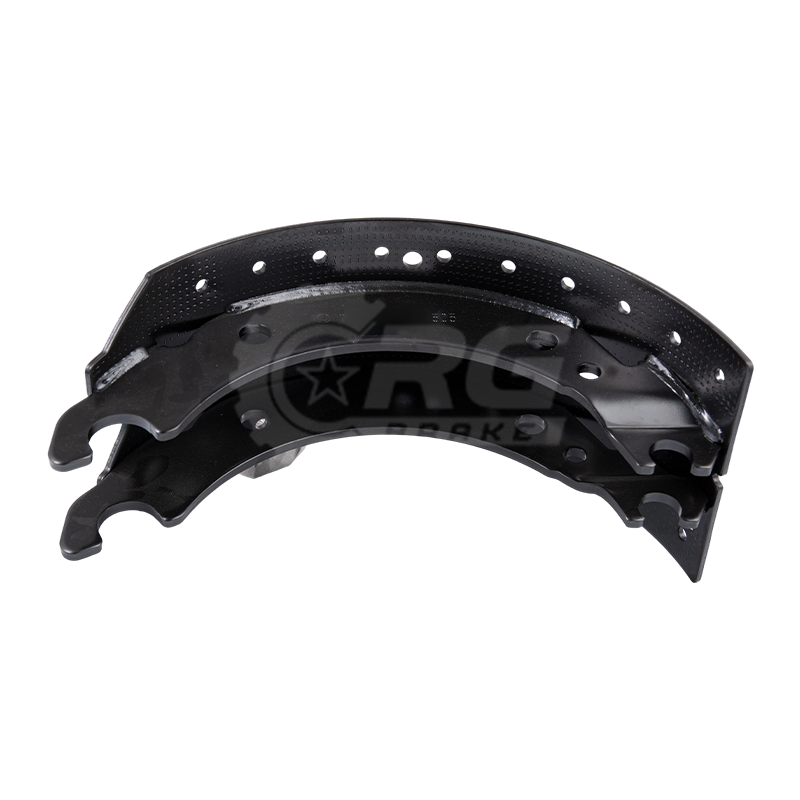
The BPW180 05.091.46.17.0 European Brake Shoes stands out as a high-performance component in commercial vehicle braking systems, trusted for its excep...
See Details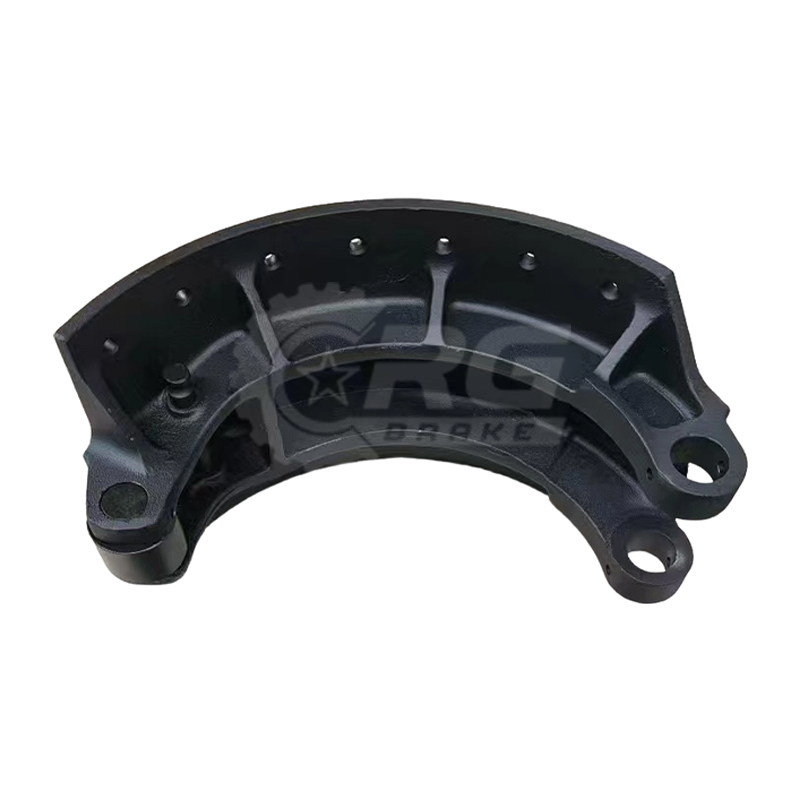
The VOLVO200 1137701 Cast Brake Shoes, with a dimension of 410×200 mm, is meticulously designed to fulfill the demanding performance and safety requir...
See Details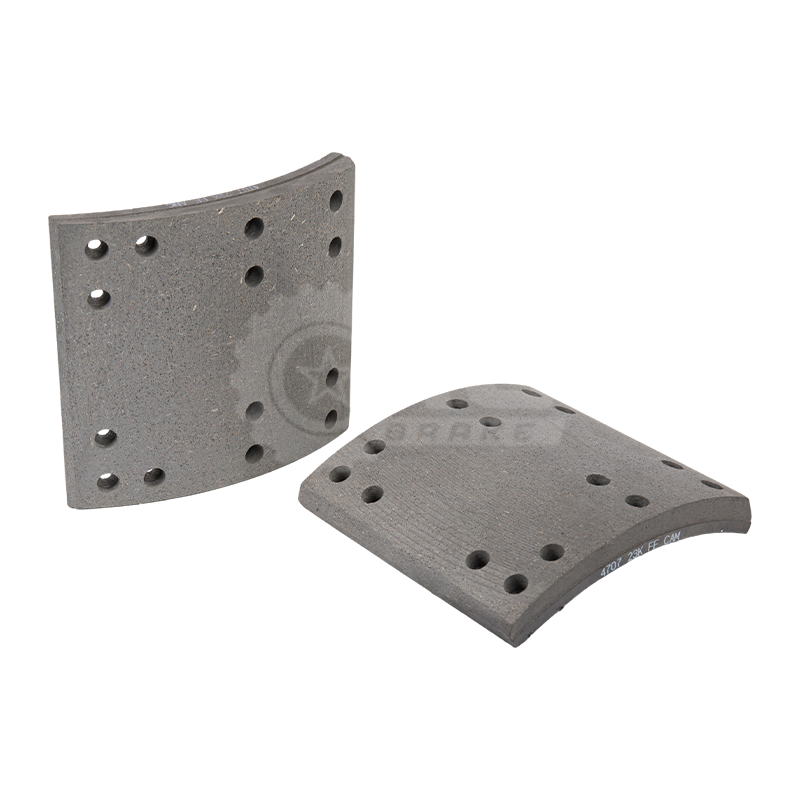
The 4707 American Brake Linings are engineered to deliver outstanding braking performance, specifically designed to handle the rigorous demands of hea...
See Details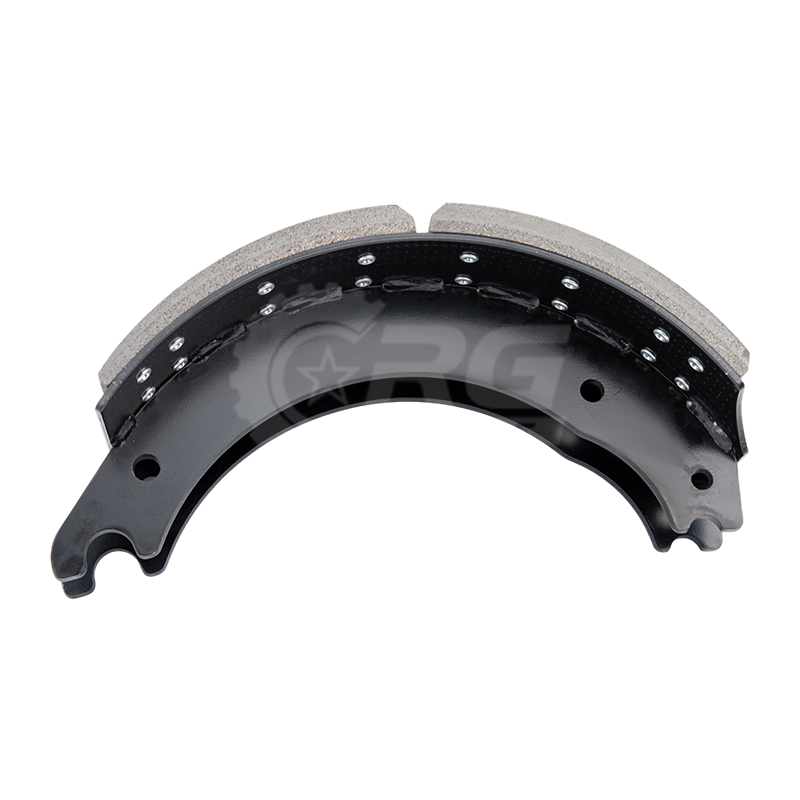
The 4515Q A91 3222 S1293 Lined Brake Shoes is a high-performance braking component meticulously engineered to meet the rigorous demands of modern brak...
See Details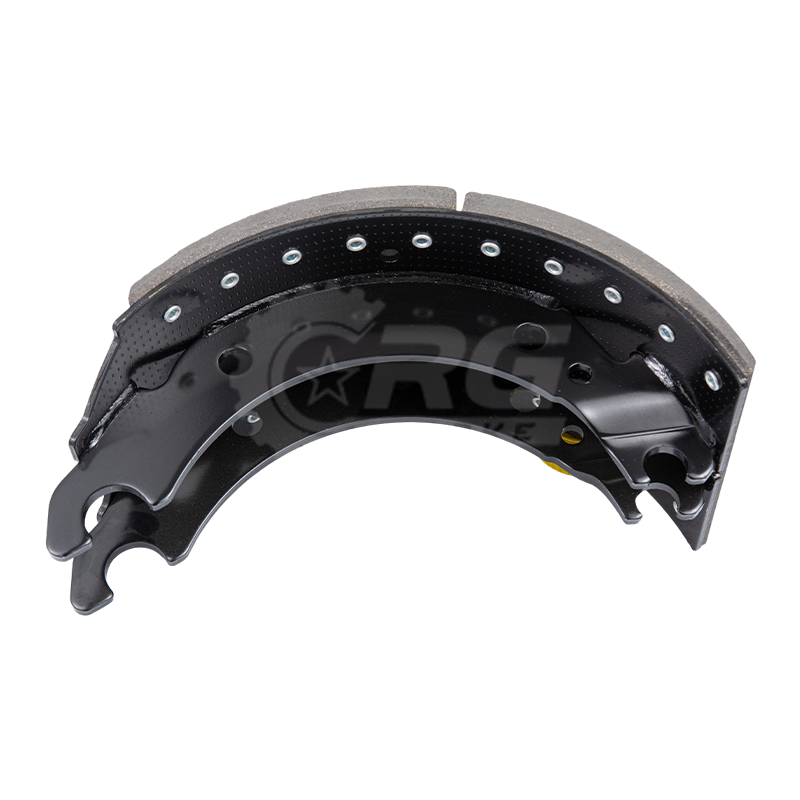
BPW200 05.091.27.83.0 Lined Brake Shoes is a premium, high-performance braking component meticulously engineered for use in commercial vehicle braking...
See Details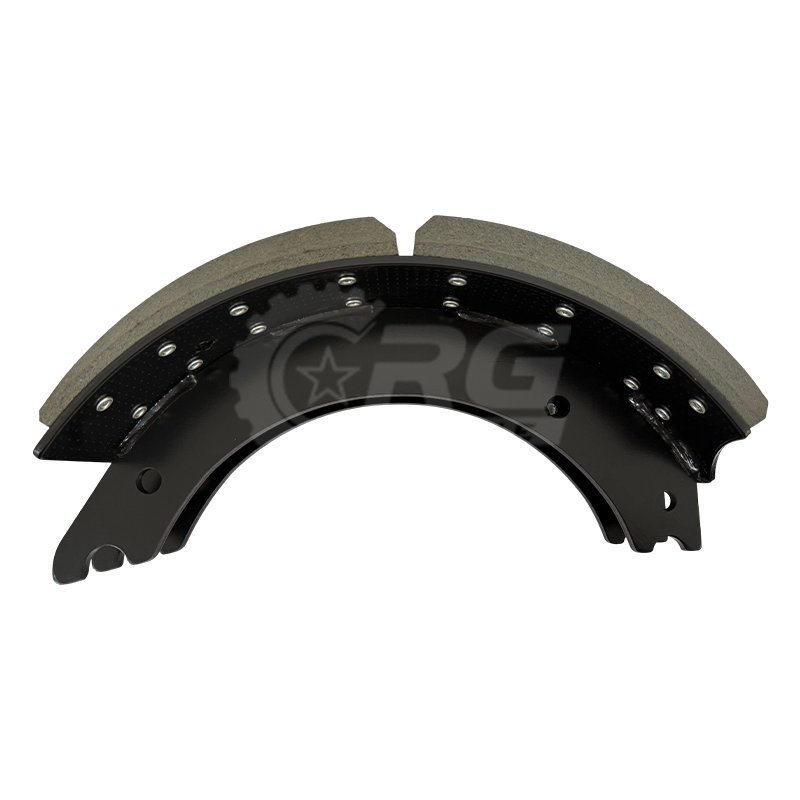
The 4718Q A3222 J2272 Lined Brake Shoes are meticulously engineered to offer exceptional durability and superior performance, specifically designed fo...
See Details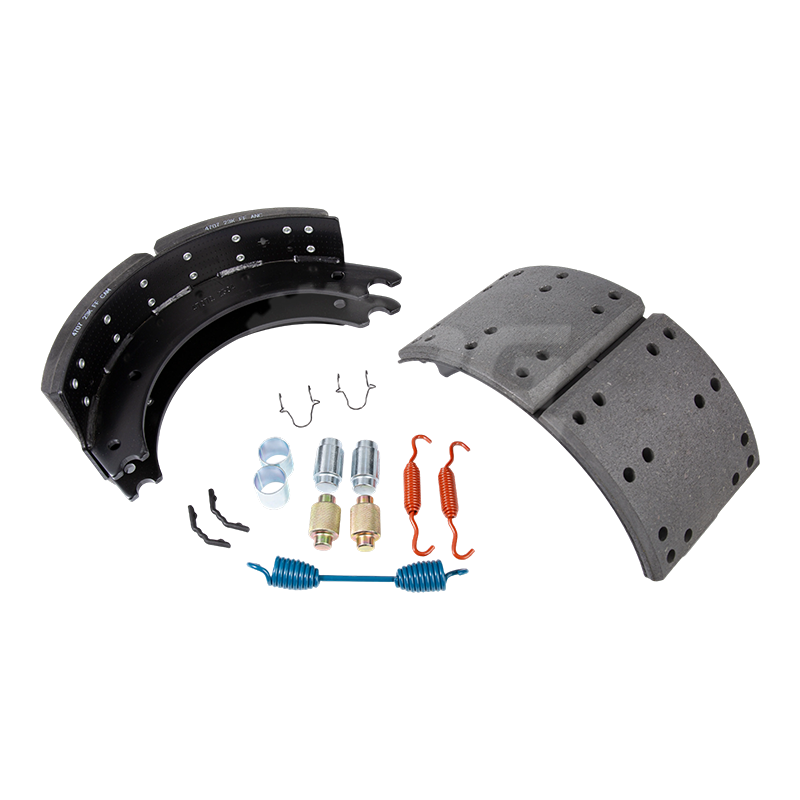
Our 4707Q A19 3222 D2006 Lined Brake Shoes With Hardware Kits are precision-engineered components measuring 16.5 inches in length and 7 inches in widt...
See Details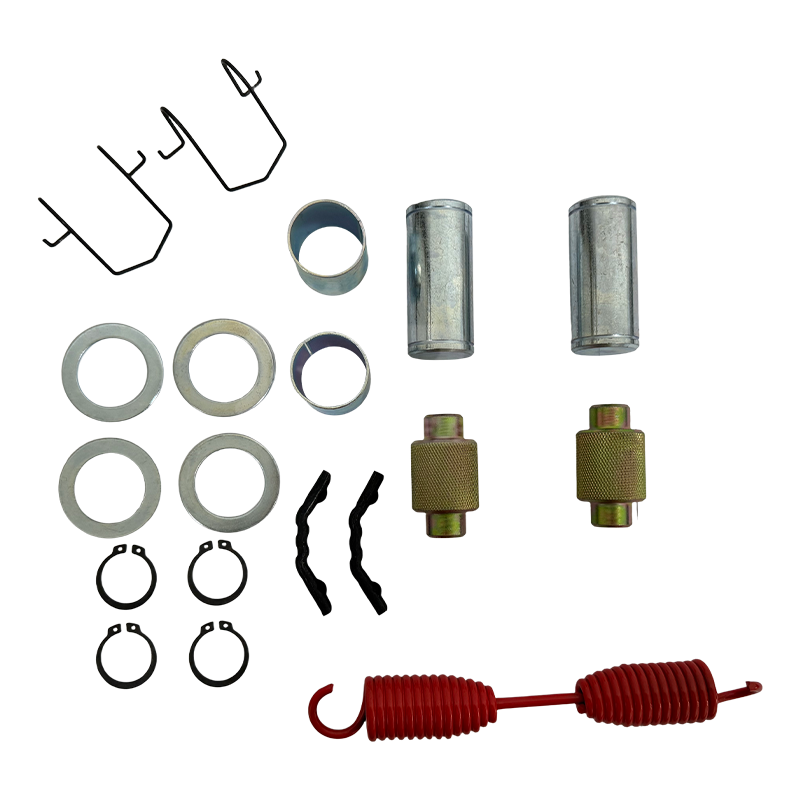
The 4515E E-1816SHD Hardware Kits, identified by the OEM number E-1816SHD, is a premium-quality hardware kit meticulously engineered for comprehensive...
See DetailsGet a Free (Customized) Quote

derek@crgbrake.com
vicky@crgbrake.com

 OUR Product
What’s News
Copyright © Zhejiang Courage Auto Parts Co., Ltd. All Rights
Reserved
 Commercial Vehicles CRG Brake Parts Manufacturers