

 English
  中文简体
中文简体 


Industry Knowledge
Understanding Friction Coefficient Standards in Commercial Applications
The Engineering Behind FF Grade Specifications
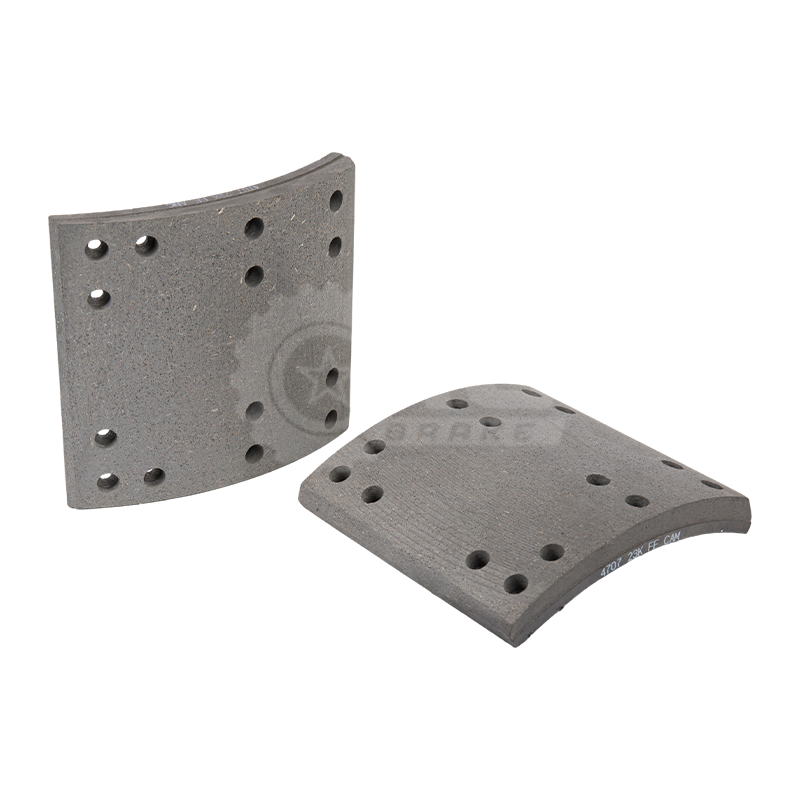
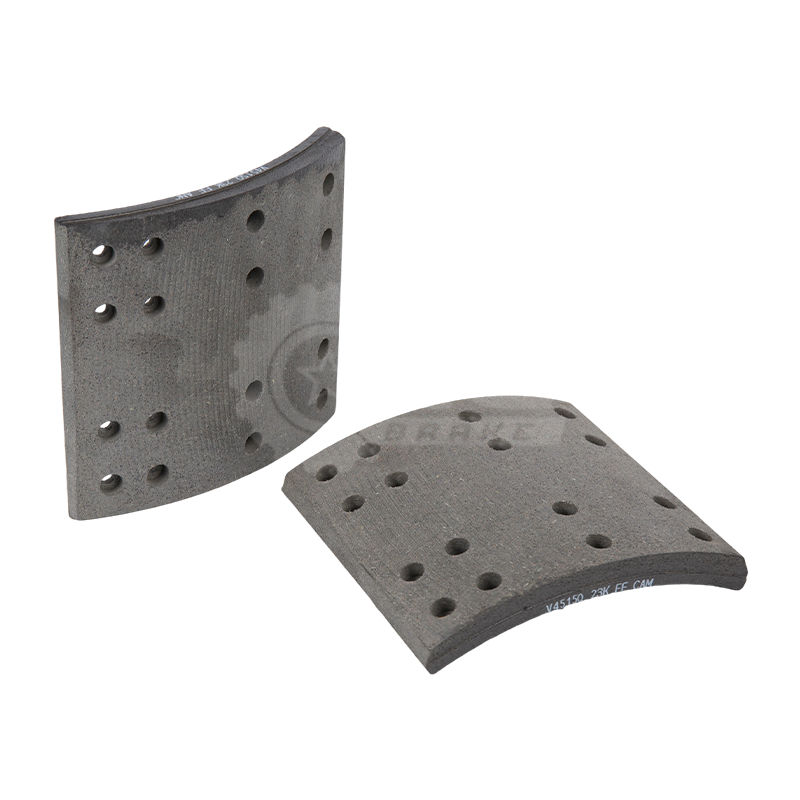
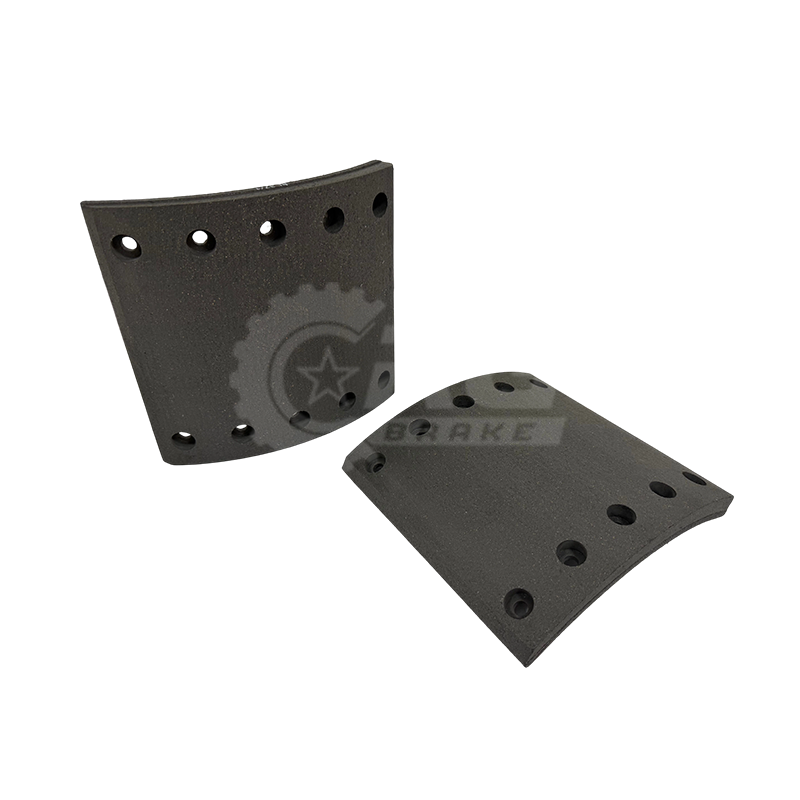
The classification of friction materials directly dictates vehicle safety and operational efficiency, particularly under extreme payload conditions. The FF designation refers to a specific friction coefficient range between 0.35 and 0.45 across both cold and hot testing parameters, ensuring consistent braking force regardless of thermal cycling. When integrated into heavy-duty commercial chassis, the 23K FF Grade Brake Lining is engineered to withstand prolonged high-stress operations without experiencing thermal fade. This grade utilizes optimized phenolic resin binders and thermally stable reinforcing fibers that maintain structural integrity at peak operating temperatures, allowing fleet operators to achieve predictable stopping distances even during prolonged downhill descents or frequent urban stop-and-go cycles.
Advanced Wear Pattern Analysis and Preventive Maintenance
| Observed Wear Pattern | Primary Root Cause | Recommended Corrective Action |
|---|---|---|
| Tapered Edge Degradation | Misaligned slack adjusters or drum ovality | Recalibrate brake geometry and verify drum concentricity |
| Surface Glazing | Prolonged high-temperature exposure exceeding resin limits | Inspect cooling airflow and replace with high-thermal-stability compounds |
| Rapid Center Wear | Excessive initial bedding pressure or improper drum contour | Implement progressive break-in procedures and machine drum radius |
Identifying abnormal wear characteristics early prevents catastrophic component failure and significantly reduces overall fleet maintenance expenditures. In heavy commercial vehicles, uneven contact between the friction material and the cast iron drum often results in mechanical degradation that compromises baseline stopping power. Regular inspection intervals aligned with operational mileage benchmarks ensure that Brake Linings degradation is managed proactively rather than reactively, preserving both drum metallurgical integrity and axle suspension alignment.
Material Composition and Thermal Stability Optimization
Formulation Strategies for Enhanced Durability
Modern friction material engineering relies on precise composite formulations that balance thermal conductivity, acoustic dampening, and wear resistance. Copper-free formulations have become the industry standard, utilizing ceramic microfibers, synthetic graphite, and specialized metal oxides to dissipate kinetic heat efficiently while meeting stringent environmental regulations. Zhejiang COURAGE Auto Parts Co., Ltd. integrates these advanced material sciences into its manufacturing processes, leveraging over two decades of specialized production technology and management experience to deliver components that meet exacting original factory standards. Operating under the CRG Brake identity, the facility functions as a dedicated safety partner rather than a standard supplier, collaborating directly with renowned heavy-duty truck and trailer manufacturers to develop customized OEM solutions that guarantee perfect compatibility with varying road conditions and vehicle models.
- Thermal conductivity rates that prevent localized hot spots and subsequent drum distortion
- Compressive strength metrics ensuring structural stability during rapid high-G deceleration events
- Friction recovery characteristics that rapidly restore optimal grip coefficients after peak-temperature exposure
The relentless pursuit of manufacturing precision and continuous process innovation guarantees that every friction component performs reliably across diverse operational environments. By combining rigorous material testing with decades of industry expertise, manufacturers can ensure the long-term safety and efficiency of every heavy transportation cycle while maintaining strict compliance with global commercial vehicle safety standards.


 OUR Product
