

 English
  中文简体
中文简体 

4709ES2 EATON 819707
4709ES2 EATON 819707 American Brake Shoes is a high-performance, heavy-duty braking component meticulously engineered to meet the stringent requiremen...
See Details
Content
Mountain grades, stop-and-go city traffic, fully loaded trailers — every one of those situations ends the same way: a block of friction material pressed hard against a rotating drum until the truck slows down. That material is the auto brake lining, and on a heavy commercial vehicle it is asked to absorb an enormous amount of kinetic energy while staying predictable, quiet, and safe. At CRG Brake, we have spent more than 20 years building brake shoes, brake linings, and complete lined assemblies for trucks and trailers, so we know exactly how much depends on this small, replaceable part.
An auto brake lining is the consumable friction surface inside a vehicle's braking system. In drum brakes, which still dominate heavy trucks and trailers, the lining is the friction material bonded or riveted onto a curved steel brake shoe. When the driver applies the brakes, air pressure pushes the shoe outward so the lining rubs against the inside of the rotating drum. Friction converts the vehicle's kinetic energy into heat, and the truck slows down.
Three properties decide whether a lining performs or disappoints: friction coefficient, which describes how much grip it generates; heat resistance, which describes how well it holds that grip as temperatures climb; and wear resistance, which decides how long it survives. A lining that bites hard when cold but fades on a long descent is dangerous, and so is one that lasts forever but never quite grips.
These three words get mixed up constantly, and ordering the wrong part is an expensive way to learn the difference.
A lining can be purchased on its own and fitted to a shoe that is still in good condition, which is why fleets that maintain their own equipment often keep linings and shoes as separate stock items. A pad, by contrast, belongs to a completely different braking system and cannot be substituted.
Open any parts catalogue for commercial vehicles and you will find two broad families of heavy-duty friction material. American-style linings follow imperial size codes such as 4515 and 4707, while European-style linings use metric or OEM-based codes such as 19032. The naming convention is only the beginning of the story.
| Feature | American-style linings | European-style linings |
|---|---|---|
| Size naming | Imperial codes such as 4515, 4707 | Metric or OEM-based codes such as 19032 |
| Typical profile | Wider blocks with generous thickness | Narrower profiles with tighter dimensional control |
| Hardware pairing | Heavier return springs, rollers and pins | Different spring and anchor configurations |
| Common applications | Long-haul trucks and trailers built to North American specifications | Trucks and trailers built to European specifications |
| What matters most when ordering | Matching shoe type, drum radius and hardware set | Matching the exact axle and shoe reference |
The lesson we repeat to every customer is simple: never swap one style for the other just because the dimensions look close. Return springs, rollers and anchor points are all engineered around a specific shoe and lining combination, and a mismatch shows up as uneven wear, noise or heat long before it shows up as a failure.
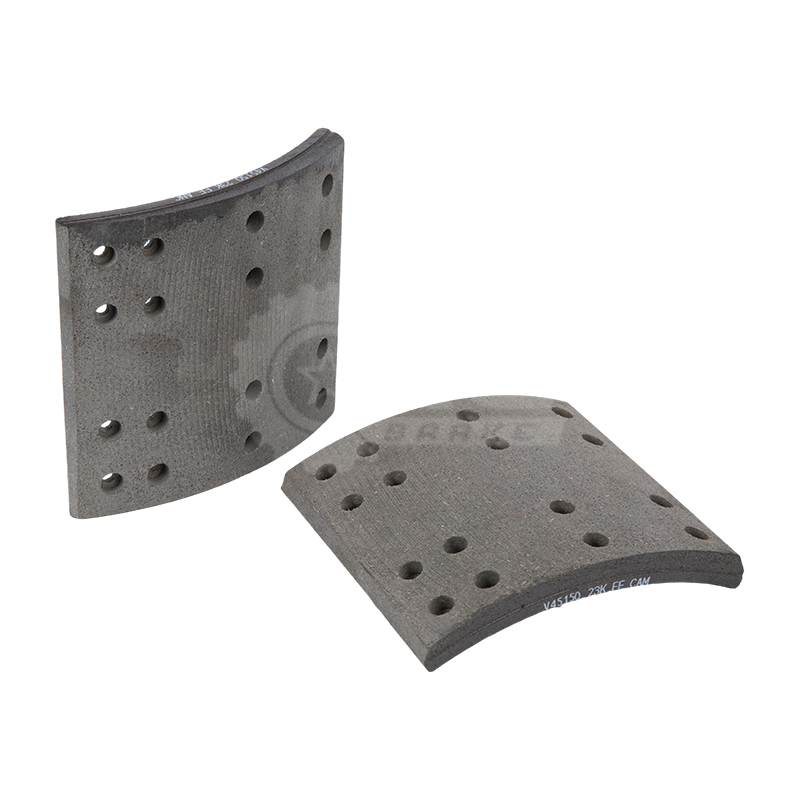 4515The 4515 American Brake Linings brake shoe is designed with a standard 16.5" x 7" dimension, which has been widely recognized as an optimal size for many heavy-duty ve...View Product →
Lining markings are not marketing decoration. Two letters such as FF describe the friction coefficient measured when the material is cold and when it is hot, and the letter F indicates a friction range that suits general heavy-duty service. A designation such as 23K points to the load class the lining was engineered for, which is why a lining rated for a lighter axle has no business on a fully loaded trailer.
Heat is the real enemy. Every hard stop converts kinetic energy into thermal energy, and a lining that cannot shed or tolerate that heat will glaze, crack or fade exactly when the driver needs it most. This is why we test our compounds in our own laboratory rather than trusting a data sheet alone. If you want to understand the physics involved, our engineers explained how brake linings convert kinetic energy into heat in a recent technical article.
Choosing well is mostly a matter of discipline. Work through these steps in order and you will rarely go wrong:
Fleets running European-spec equipment should treat the lining as an exact-match part rather than a generic consumable, because a few millimetres of difference in profile can change how the shoe seats against the drum across the whole service life.
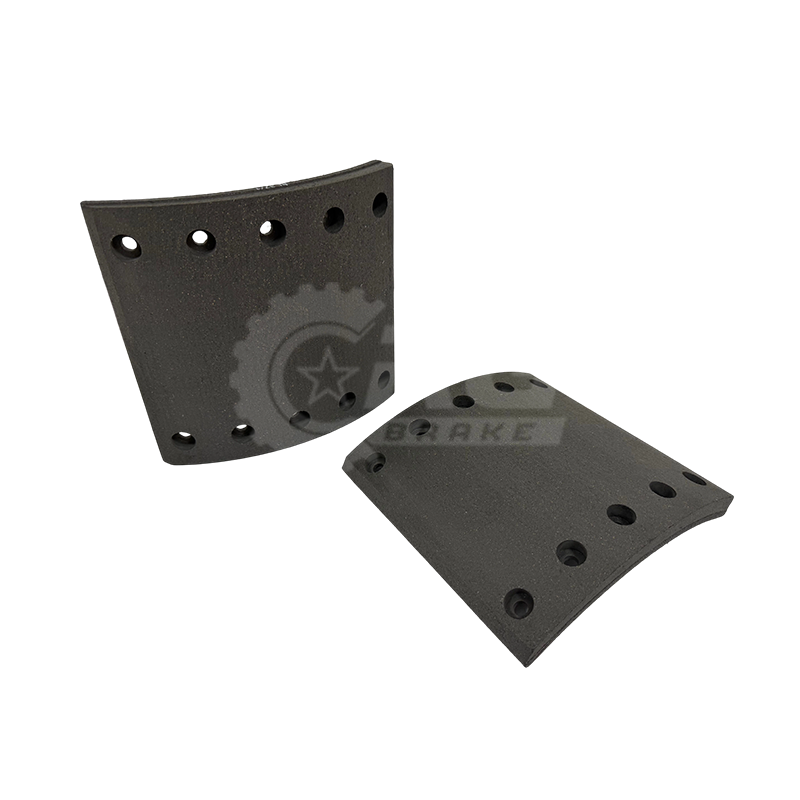 19032This 19032 European Brake Lining, with dimensions of 420mm in length and 180mm in width, is a premium, high-performance friction component meticulously designed to mee...View Product →
For many workshops and distributors, buying a lining and then riveting it to a shoe is unnecessary work. A lined brake shoe arrives with the friction material already attached to a new, dimensionally correct steel shoe, so the only job left is installation. Add a hardware kit and you have a complete, ready-to-fit assembly: shoe, lining, springs, rollers and pins in one box.
That approach pays for itself in a different currency than price per kilogram — it is measured in downtime, comeback repairs and technician hours. It also removes the risk of reusing a distorted old shoe, which is one of the most common causes of uneven lining wear on heavy trucks.
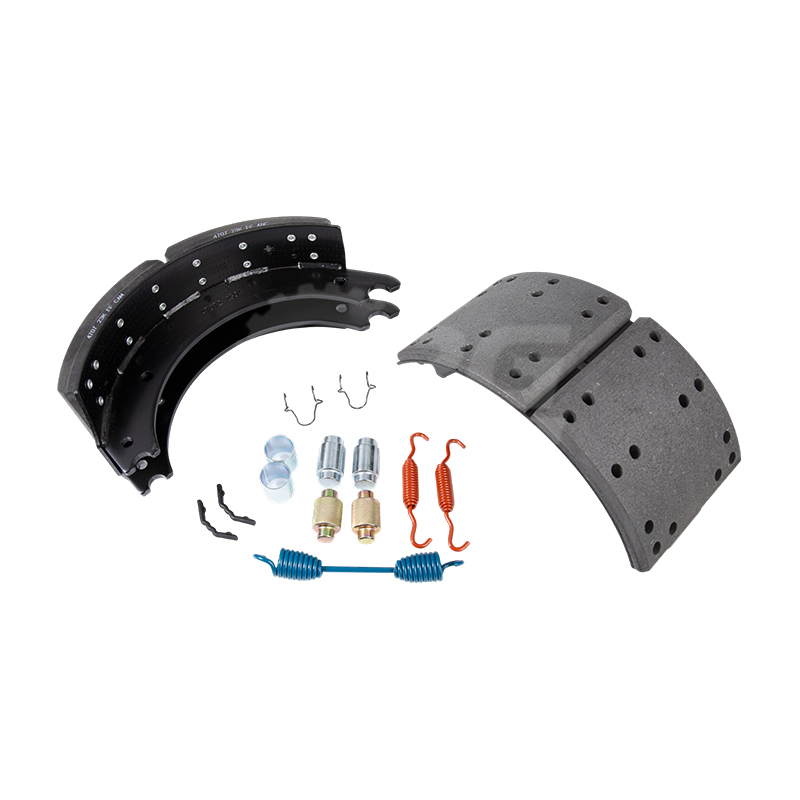 4707QOur 4707Q A19 3222 D2006 Lined Brake Shoes With Hardware Kits are precision-engineered components measuring 16.5 inches in length and 7 inches in width, designed to de...View Product →
Linings rarely fail without warning. What they do is send signals that are easy to ignore until they become expensive.
Any one of these is a reason to pull the drum and look properly, not a reason to keep driving until the next scheduled service.
Friction material is only as good as the process behind it. A factory that formulates its own compounds, controls its own mixing and curing, and assembles shoes and hardware in one place can keep batch-to-batch consistency in a way that a trading company cannot. As a manufacturer based in Deqing, Zhejiang, we supply both original equipment programmes and the aftermarket, and we are happy to develop customised solutions when a fleet's operating conditions call for something specific. You can read more about our factory, our laboratory and our team if you would like the full picture.
An auto brake lining is a modest part with a serious job. Get the friction grade, the profile and the hardware right, and it will deliver quiet, predictable stopping for hundreds of thousands of kilometres. Get them wrong, and no amount of driving skill will compensate.
If you are unsure which lining suits your trucks, trailers or route profile, tell us the axle reference and the duty cycle, and our team will point you to the correct part. Reach us at derek@crgbrake.com or +86-13857155119 for a free, no-obligation quotation — the first step toward brakes you never have to think twice about.
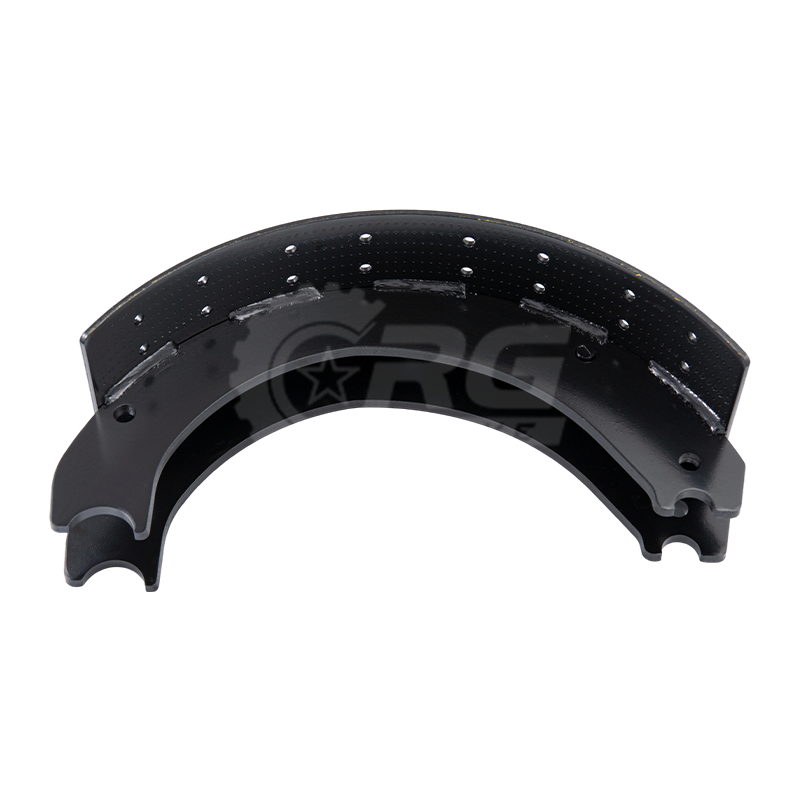
4709ES2 EATON 819707 American Brake Shoes is a high-performance, heavy-duty braking component meticulously engineered to meet the stringent requiremen...
See Details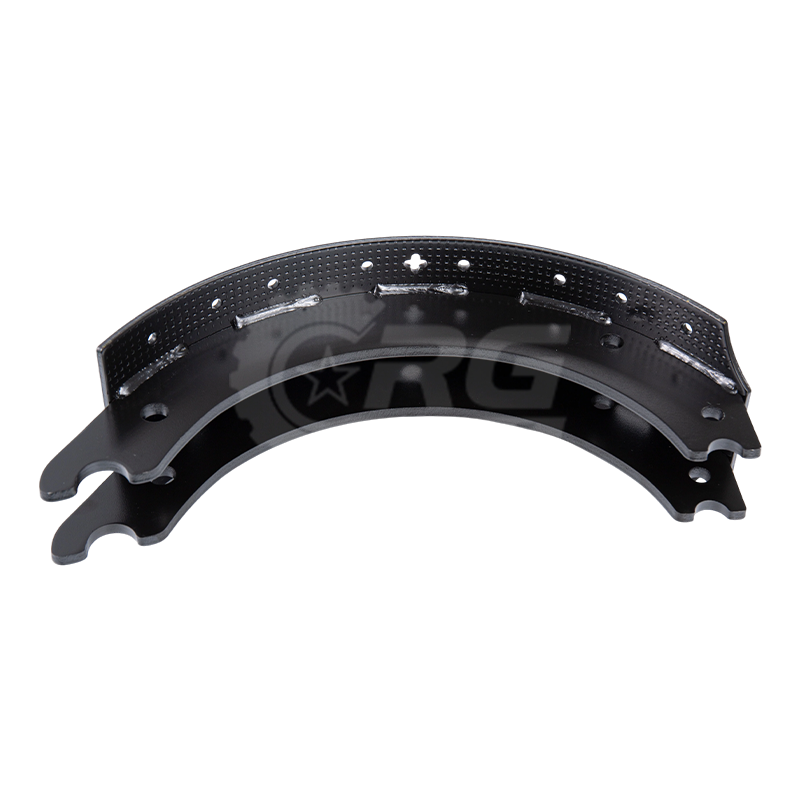
The CA33 A 3222FM61 American Brake Shoes is a high-performance, heavy-duty component specifically engineered to meet and exceed the rigorous demands o...
See Details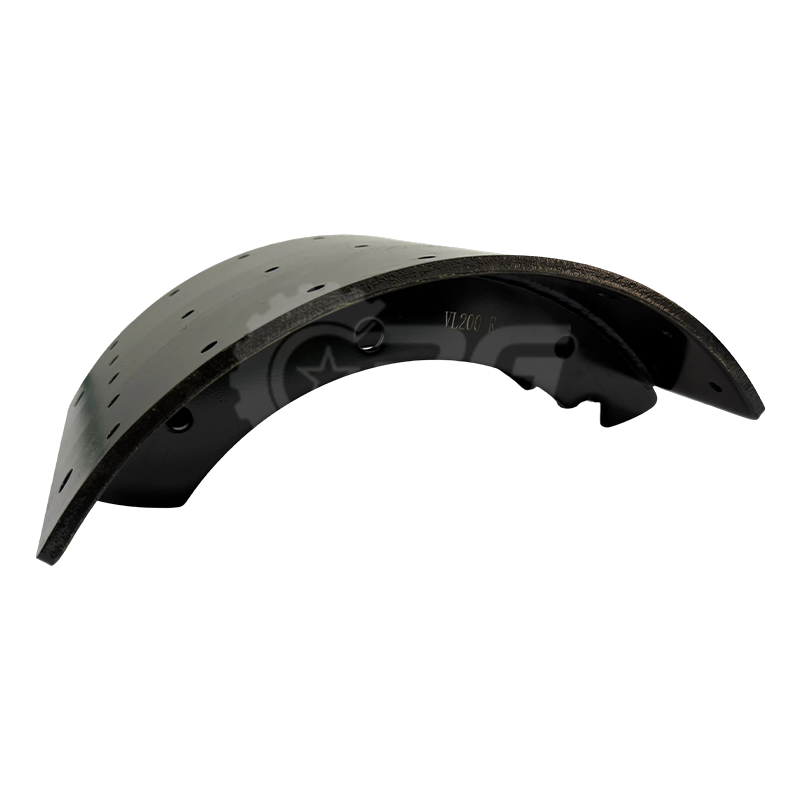
The VOLVO200 3095196 European Brake Shoes is meticulously designed and engineered to meet the demanding requirements of commercial trucks and heavy-du...
See Details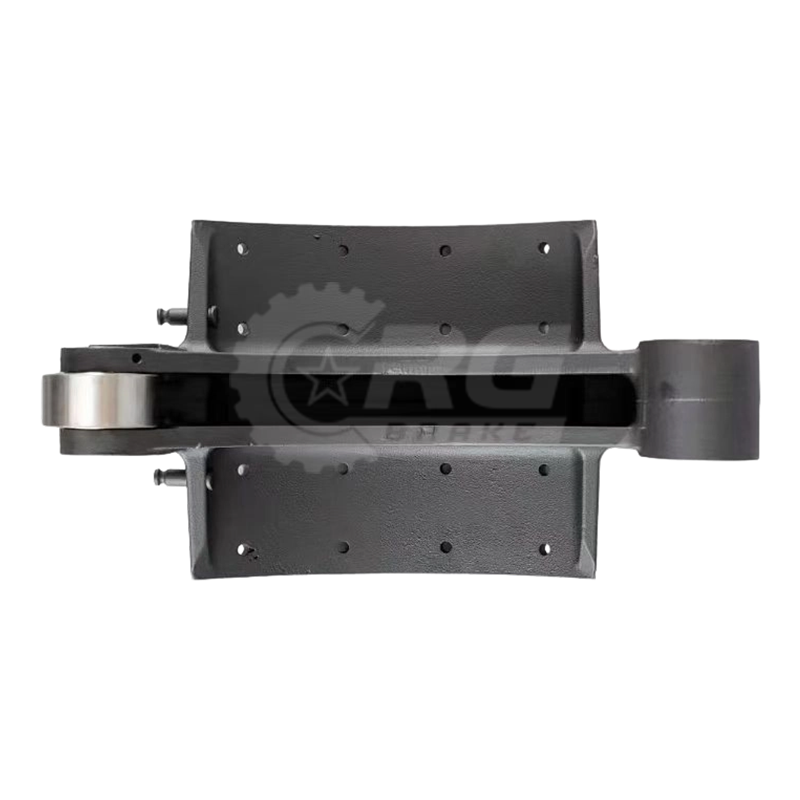
The SC254 1104545 Cast Brake Shoes is a premium-grade, high-performance braking component meticulously engineered for heavy-duty commercial vehicles. ...
See Details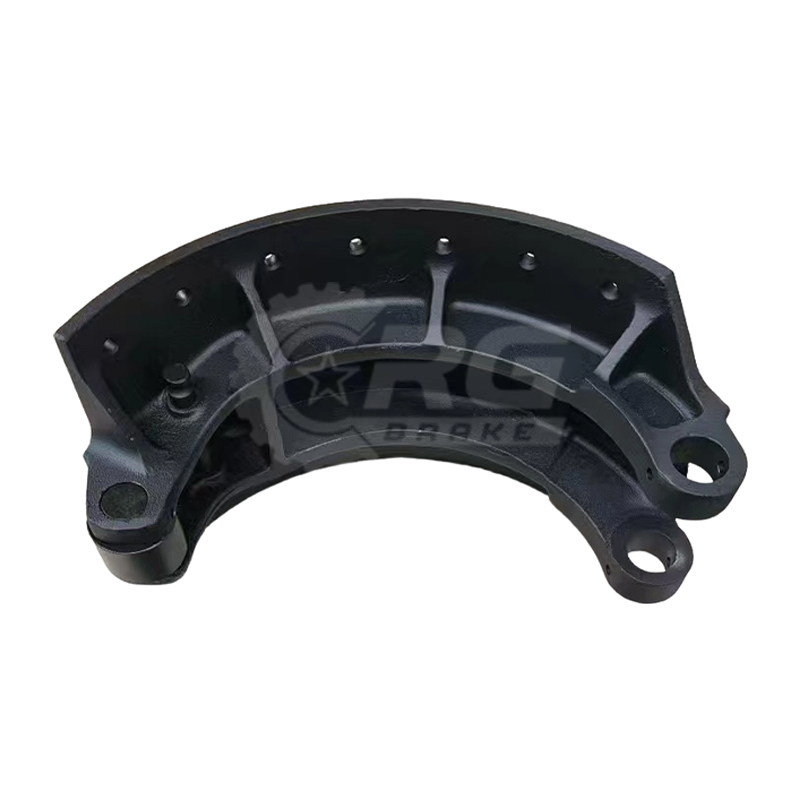
The VOLVO200 1137701 Cast Brake Shoes, with a dimension of 410×200 mm, is meticulously designed to fulfill the demanding performance and safety requir...
See Details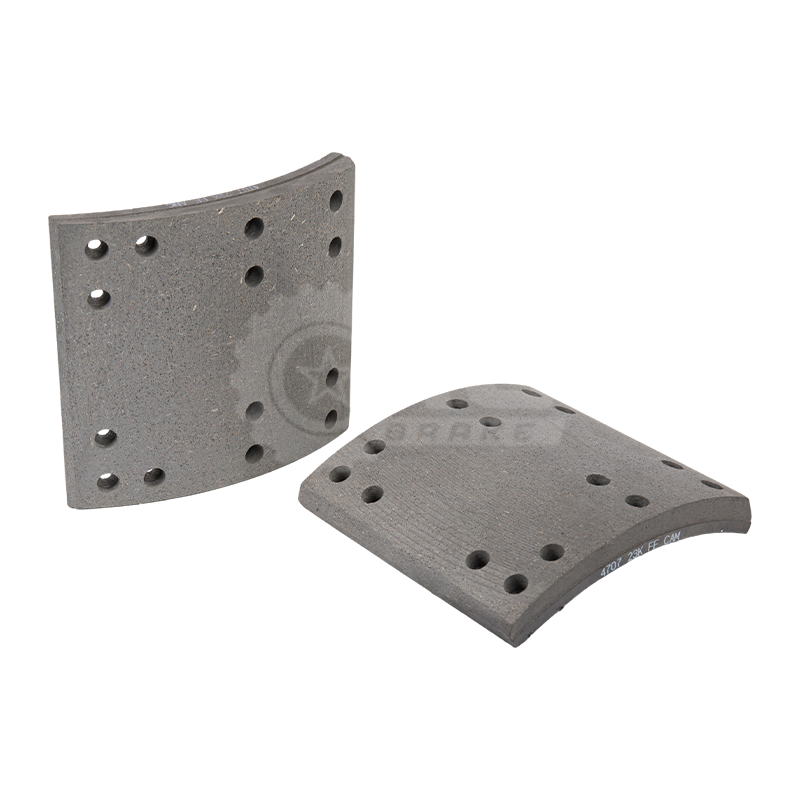
The 4707 American Brake Linings are engineered to deliver outstanding braking performance, specifically designed to handle the rigorous demands of hea...
See Details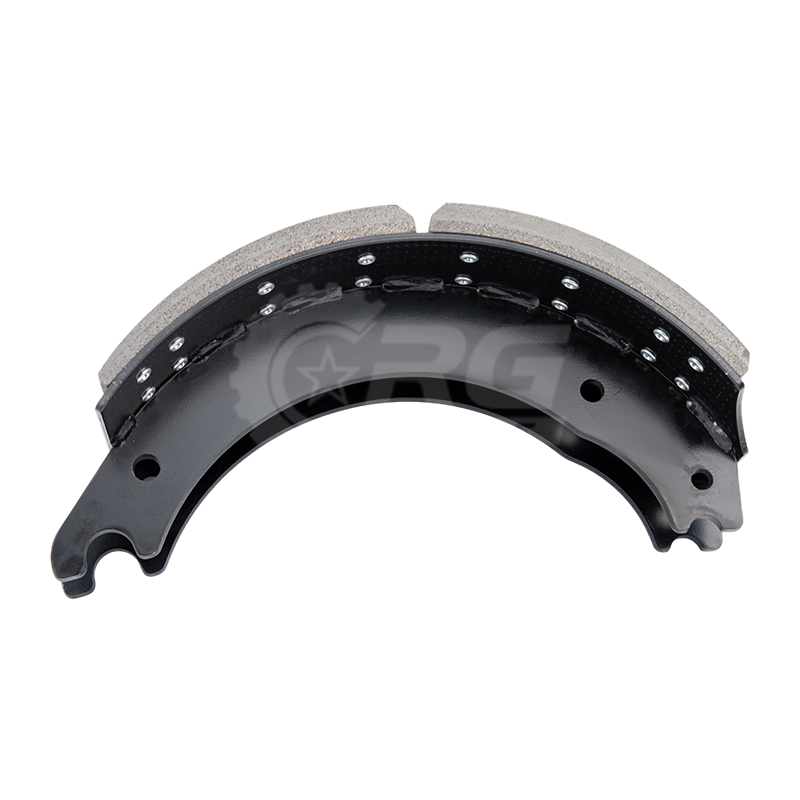
The 4515Q A91 3222 S1293 Lined Brake Shoes is a high-performance braking component meticulously engineered to meet the rigorous demands of modern brak...
See Details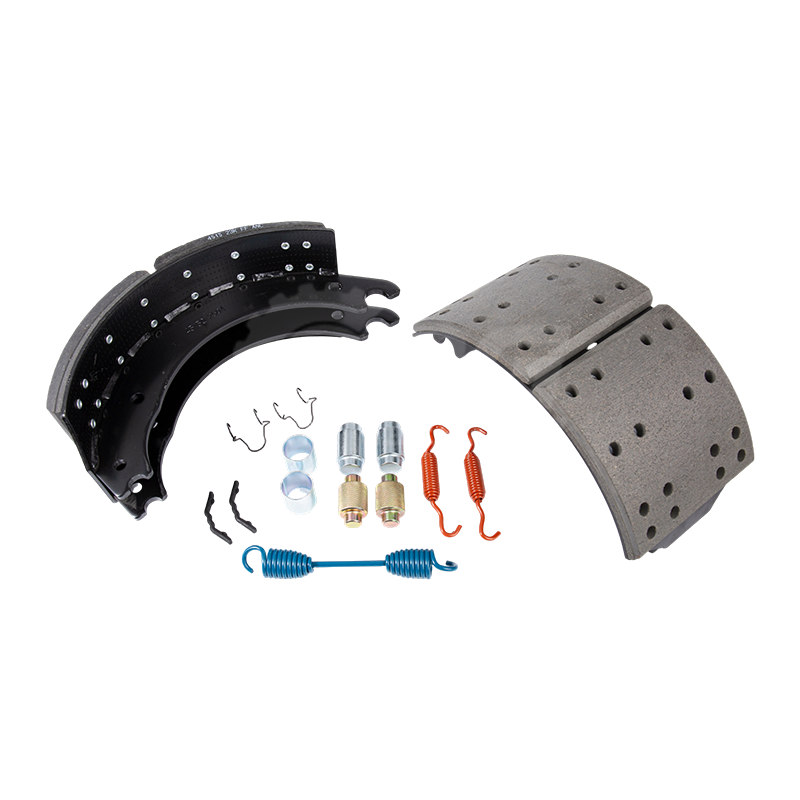
The 4515Q A91 3222 S1293 Lined Brake Shoes With Hardware Kits are expertly engineered to deliver exceptional braking performance and durability. Measu...
See Details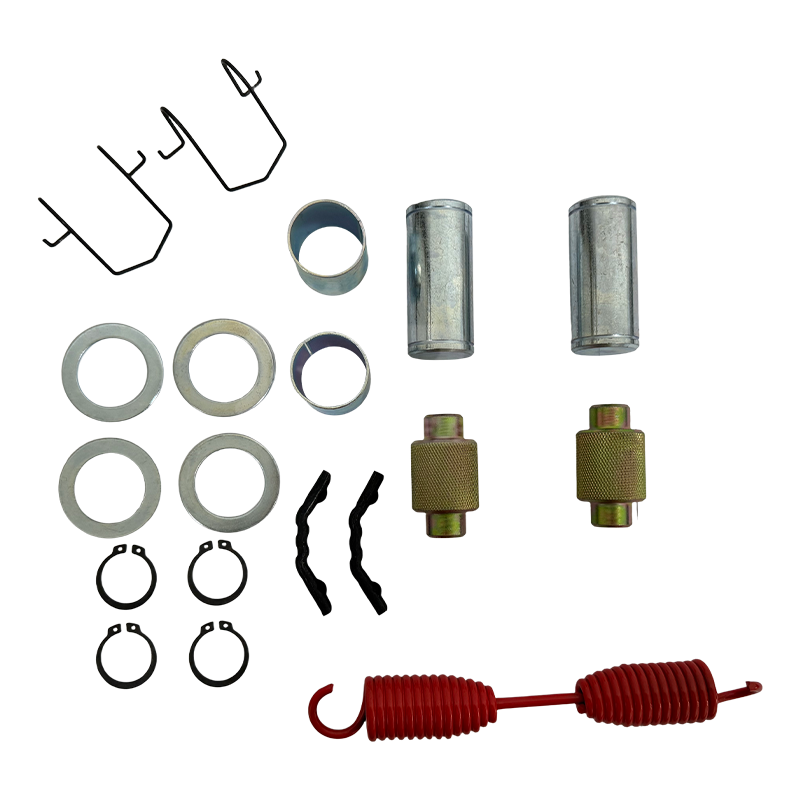
The 4515E E-1816SHD Hardware Kits, identified by the OEM number E-1816SHD, is a premium-quality hardware kit meticulously engineered for comprehensive...
See Details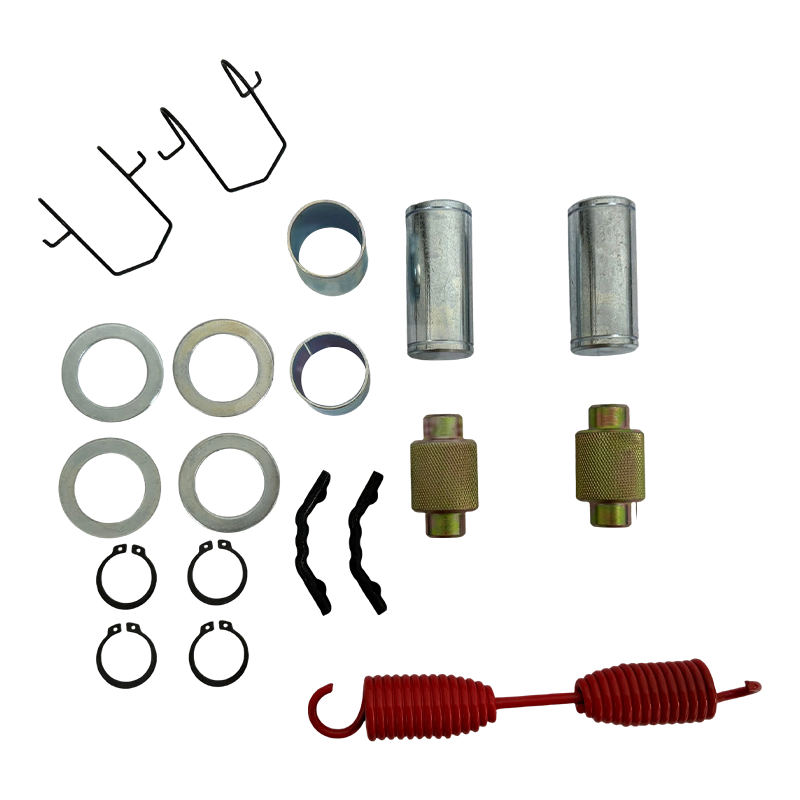
BPW NEW Brake Repair Kit represents a state-of-the-art, precision-engineered hardware solution specifically designed for the high-performance maintena...
See DetailsGet a Free (Customized) Quote

derek@crgbrake.com
vicky@crgbrake.com

 OUR Product
What’s News
Copyright © Zhejiang Courage Auto Parts Co., Ltd. All Rights
Reserved
 Commercial Vehicles CRG Brake Parts Manufacturers