

 English
  中文简体
中文简体 

BPW180 05.091.46.17.0
The BPW180 05.091.46.17.0 European Brake Shoes stands out as a high-performance component in commercial vehicle braking systems, trusted for its excep...
See Details
Content
The fundamental operation of any drum brake system relies on the precise conversion of kinetic energy into thermal energy. When a driver depresses the brake pedal in a heavy commercial vehicle, a complex chain of mechanical events is initiated. Hydraulic or pneumatic pressure forces the brake shoes outward, pressing the Brake Linings firmly against the inner surface of the rotating brake drum. This contact creates substantial friction, which serves as the primary mechanism for slowing down the massive momentum of a loaded truck or trailer. The intelligent combination of materials within the lining creates a durable, heat-resistant surface that excels under pressure, ensuring that this energy transfer occurs seamlessly and predictably.
This process is not merely about stopping; it is about managing immense amounts of heat. A fully loaded heavy-duty vehicle traveling at highway speeds possesses a tremendous amount of kinetic energy. To bring such a vehicle to a halt, this energy must be dissipated rapidly. The friction material acts as the interface where this transformation occurs. If the lining cannot handle the thermal load, the heat builds up within the drum and the lining itself, leading to a phenomenon known as brake fade. Brake fade results in a significant loss of stopping power, posing severe safety risks. Therefore, the composition of the lining is critical. It must possess high thermal conductivity to draw heat away from the friction surface and high thermal capacity to absorb that heat without degrading structurally.
The efficiency of this energy conversion depends heavily on the coefficient of friction maintained during the braking event. In ideal conditions, this coefficient remains stable. However, as temperatures rise due to repeated or prolonged braking, many standard materials experience a drop in friction performance. This is where advanced engineering comes into play. High-performance linings are designed to maintain a consistent coefficient of friction across a wide temperature range. This consistency ensures that the driver experiences reliable pedal feel and predictable deceleration rates, regardless of whether they are performing a gentle stop at a traffic light or an emergency maneuver on a steep downgrade.
In the automotive and commercial vehicle industry, brake linings are classified using a standardized edge code that indicates their performance characteristics. The code typically consists of two letters. The first letter represents the coefficient of friction when the brake is cold, and the second letter represents the coefficient of friction when the brake is hot. The 23K FF Grade Brake Lining designation signifies a specific and highly desirable performance profile. The double F indicates that the lining maintains a coefficient of friction between 0.35 and 0.45 in both cold and hot states. This symmetry is crucial for heavy-duty applications where braking conditions vary wildly.
The term 23K often refers to a specific formulation series or manufacturer-specific identifier that denotes enhanced durability and load-bearing capacity. These linings are engineered to withstand the rigorous demands of commercial transport. Unlike passenger car brakes, which may see occasional hard stops, heavy-duty brakes are subjected to constant stress. The FF grade ensures that the transition from cold to hot operation does not result in a sudden change in braking behavior. Drivers do not have to compensate for a spongy pedal or reduced grip as the brakes warm up. This predictability is a cornerstone of safe fleet operations.
| Code Letter | Condition | Coefficient Range | Performance Implication |
|---|---|---|---|
| First F | Cold State | 0.35 - 0.45 | Immediate grip upon initial application |
| Second F | Hot State | 0.35 - 0.45 | Consistent performance under thermal stress |
The stability provided by the FF rating is achieved through careful selection of raw materials. Manufacturers use a blend of organic fibers, metallic particles, and ceramic components bound together by high-temperature resistant resins. This composite structure allows the lining to resist glazing, a condition where the surface becomes smooth and shiny due to excessive heat, thereby reducing friction. By maintaining a rougher, more aggressive surface texture even at high temperatures, the 23K FF Grade Brake Lining ensures that the kinetic energy continues to be converted into heat efficiently, rather than being reflected back into the drivetrain as unchecked momentum.
The durability of Brake Linings is directly linked to their internal composition. Modern heavy-duty linings are no longer simple asbestos-based compounds, which were banned due to health risks. Today’s formulations are sophisticated composites designed for specific operational environments. The matrix typically includes reinforcing fibers such as aramid, glass, or steel wool, which provide structural integrity. These fibers prevent the lining from cracking or disintegrating under the intense centrifugal forces and mechanical pressure experienced during braking.
Thermal management is perhaps the most critical aspect of lining design. When the lining presses against the drum, the generated heat must be dissipated. If the heat remains trapped, it can cause the resin binder to break down, a process known as pyrolysis. This leads to gas formation between the lining and the drum, creating a cushion effect that reduces braking efficiency. Advanced linings incorporate porous structures or specific additives that allow these gases to escape, maintaining direct metal-to-friction-material contact. This ensures that the seamless energy transfer required for instant, reliable stopping power is preserved even in extreme conditions.
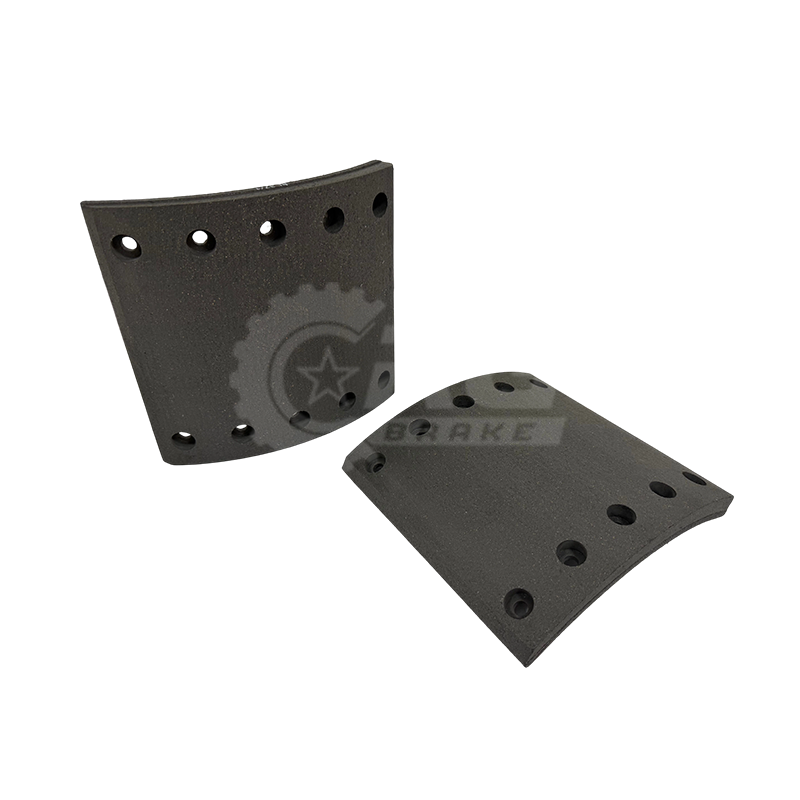
The choice of brake lining has profound implications for the overall maintenance costs and safety records of a commercial fleet. Using high-quality 23K FF Grade Brake Lining reduces the frequency of replacements due to their superior wear resistance. Because they manage heat effectively, they also protect the brake drums from warping or cracking. Drum replacement is significantly more expensive and time-consuming than lining replacement. Therefore, investing in premium linings is a cost-effective strategy that extends the life of the entire braking assembly.
Furthermore, consistent braking performance reduces driver fatigue. When drivers trust their brakes to perform predictably, they can operate with greater confidence and less stress. This is particularly important in mountainous regions or congested urban environments where frequent braking is necessary. The intelligent combination of materials in these linings ensures that the vehicle responds exactly as expected, every time the pedal is pressed. This reliability is not just a convenience; it is a critical safety feature that protects the driver, the cargo, and other road users.
In conclusion, the science behind Brake Linings is a complex interplay of physics, chemistry, and engineering. The 23K FF Grade Brake Lining represents a pinnacle of this technology, offering a balanced solution that delivers high friction, thermal stability, and long-term durability. By understanding how these components work to convert kinetic energy into heat, fleet managers and operators can make informed decisions that enhance safety and efficiency. The seamless integration of durable, heat-resistant surfaces ensures that heavy vehicles can operate reliably under pressure, meeting the demanding standards of modern transportation logistics.
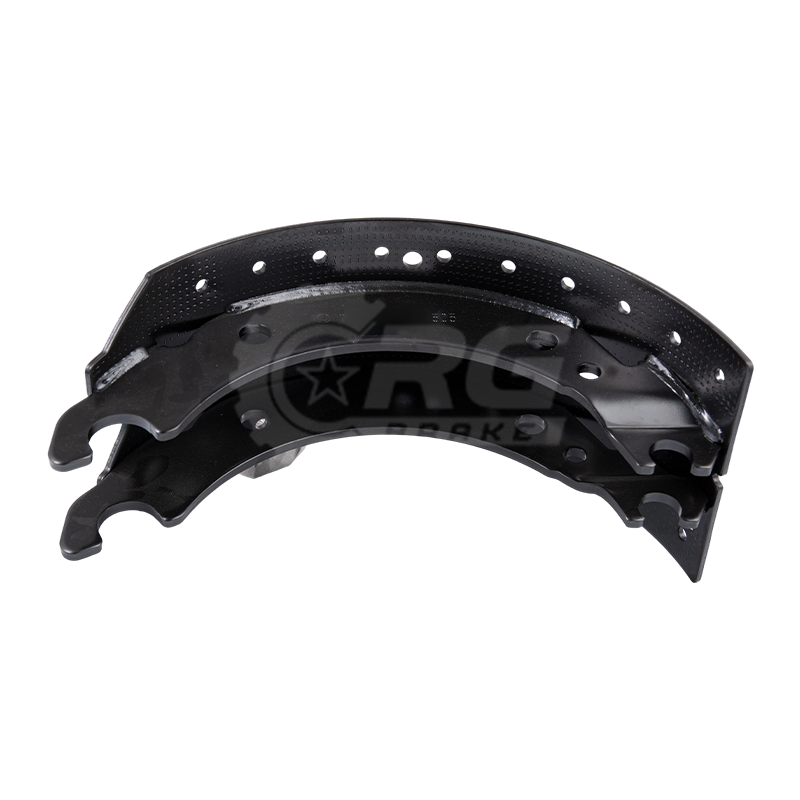
The BPW180 05.091.46.17.0 European Brake Shoes stands out as a high-performance component in commercial vehicle braking systems, trusted for its excep...
See Details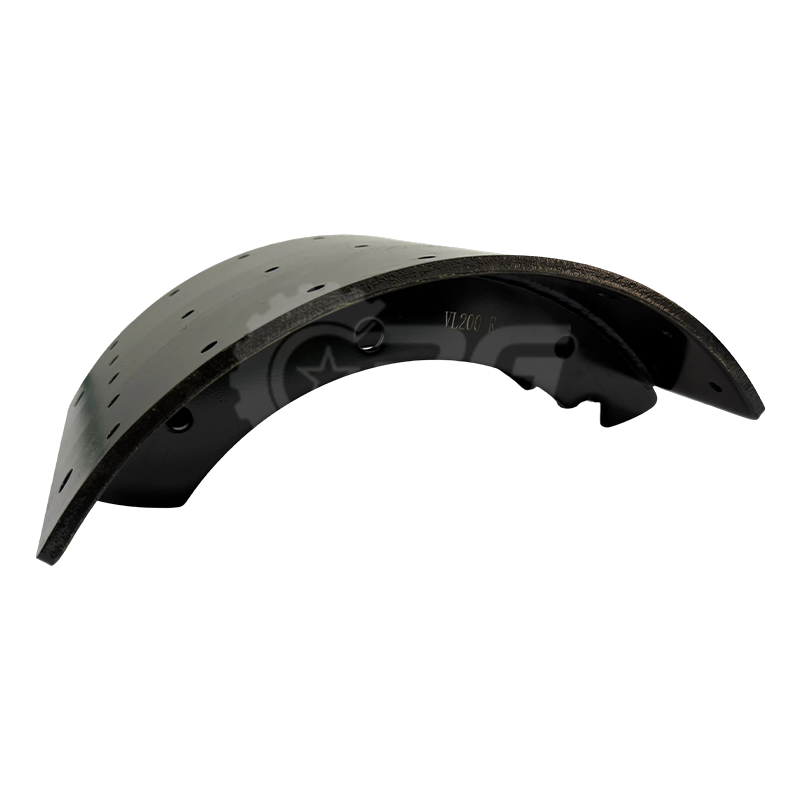
The VOLVO200 3095196 European Brake Shoes is meticulously designed and engineered to meet the demanding requirements of commercial trucks and heavy-du...
See Details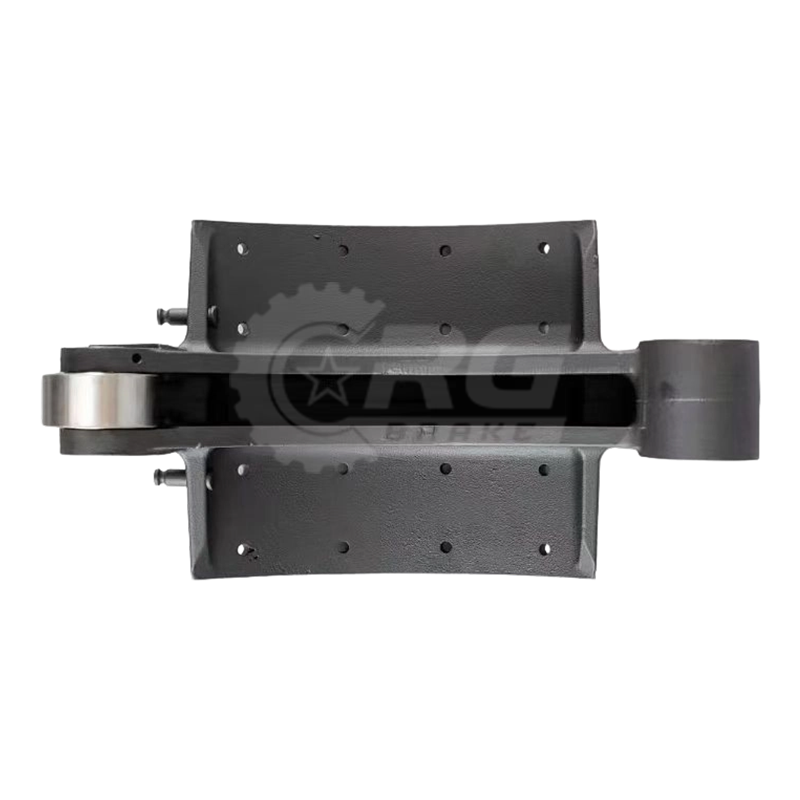
The SC254 1104545 Cast Brake Shoes is a premium-grade, high-performance braking component meticulously engineered for heavy-duty commercial vehicles. ...
See Details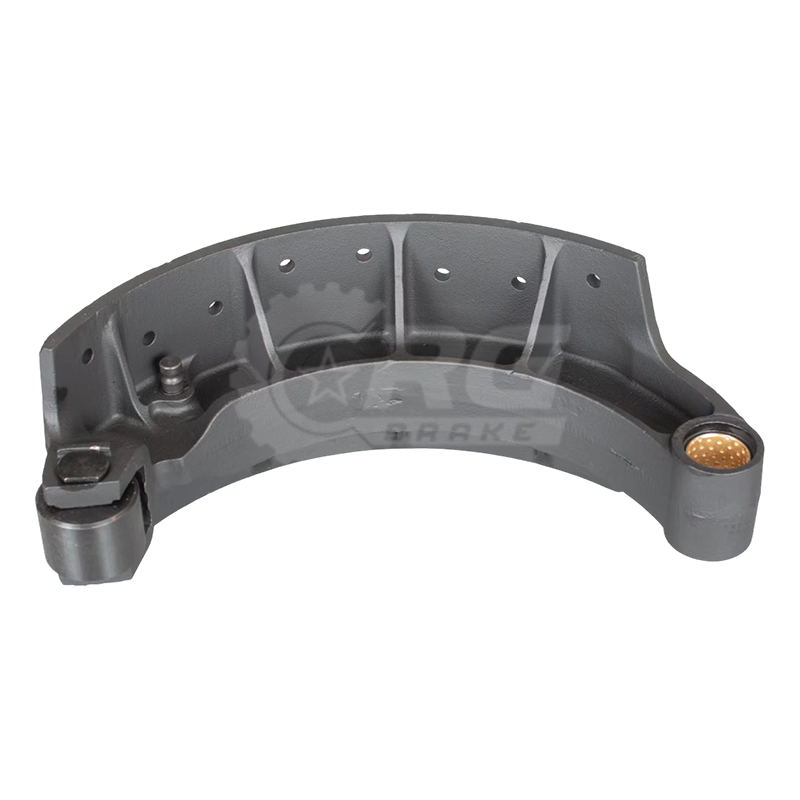
BENZ180 659 420 0619 Cast Brake Shoes, with precise dimensions of 410×180mm, is meticulously engineered to meet the rigorous demands of commercial and...
See Details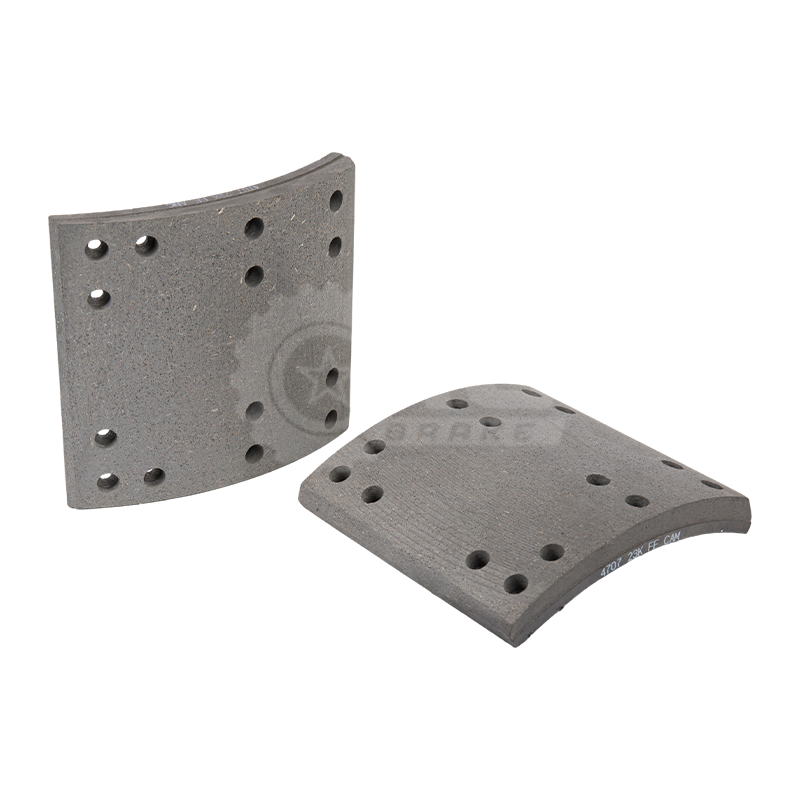
The 4707 American Brake Linings are engineered to deliver outstanding braking performance, specifically designed to handle the rigorous demands of hea...
See Details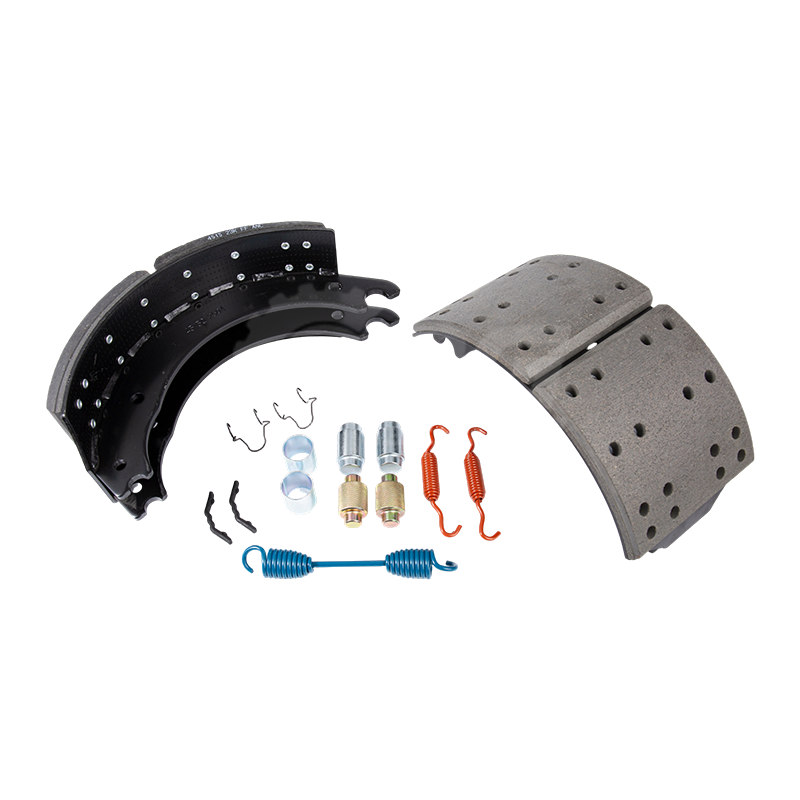
The 4515Q A91 3222 S1293 Lined Brake Shoes With Hardware Kits are expertly engineered to deliver exceptional braking performance and durability. Measu...
See Details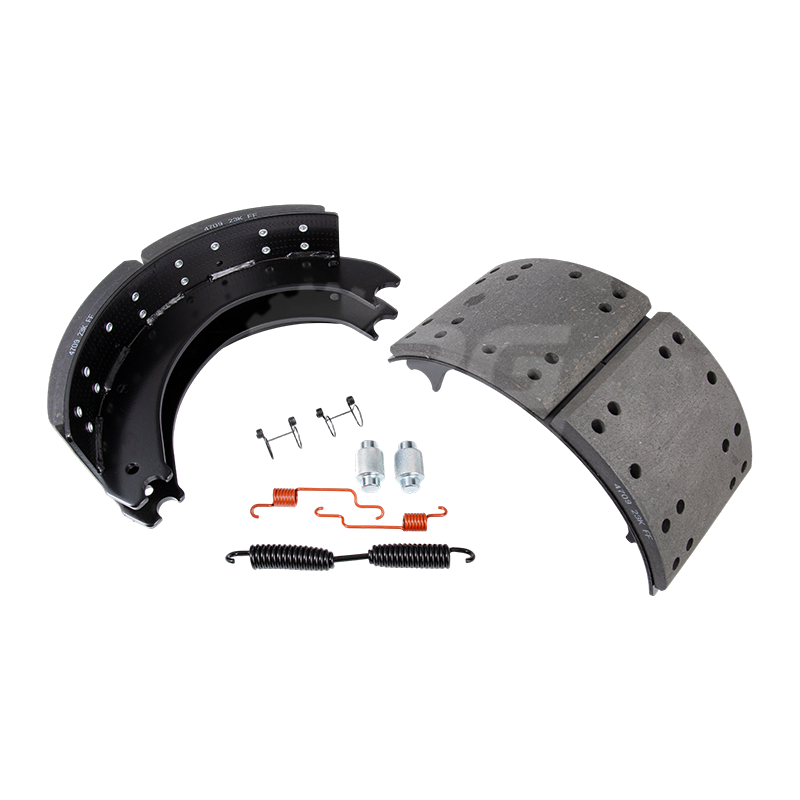
These 4709ES2 EATON 819707 Lined Brake Shoes With Hardware Kits measure 16.5 inches by 7 inches, specifically engineered to fit vehicles that require ...
See Details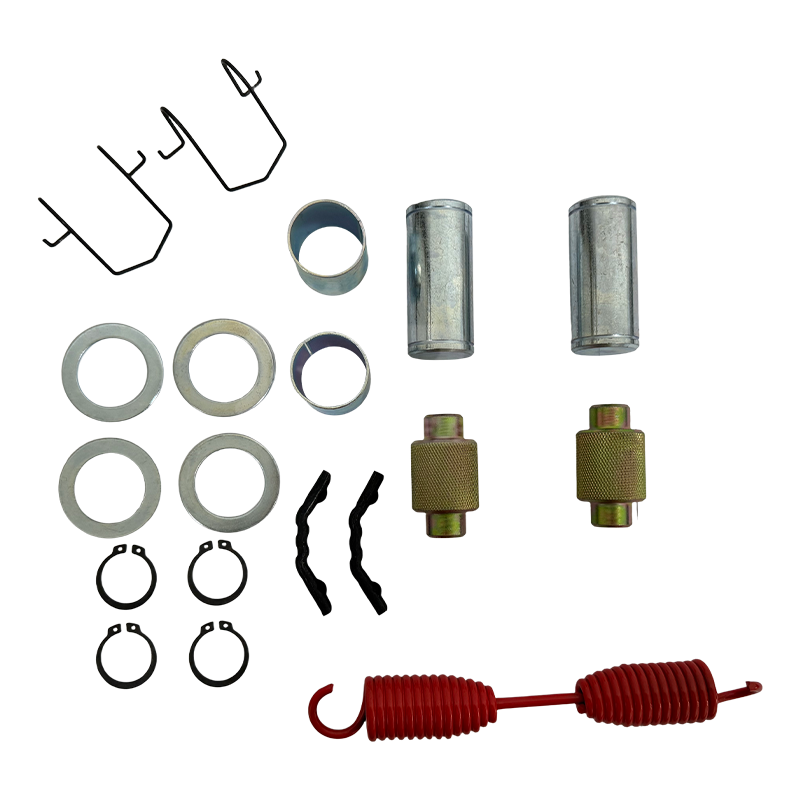
The 4515E E-1816SHD Hardware Kits, identified by the OEM number E-1816SHD, is a premium-quality hardware kit meticulously engineered for comprehensive...
See Details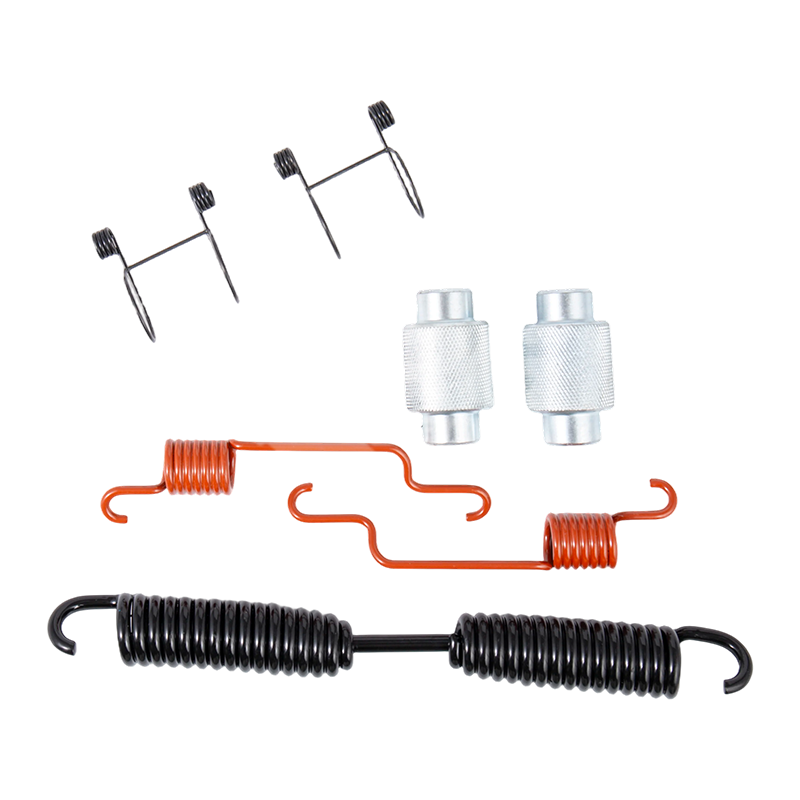
This hardware kit, model E-10244S with part number 4709ES2, is a premium-grade brake repair kit meticulously engineered for comprehensive vehicle brak...
See Details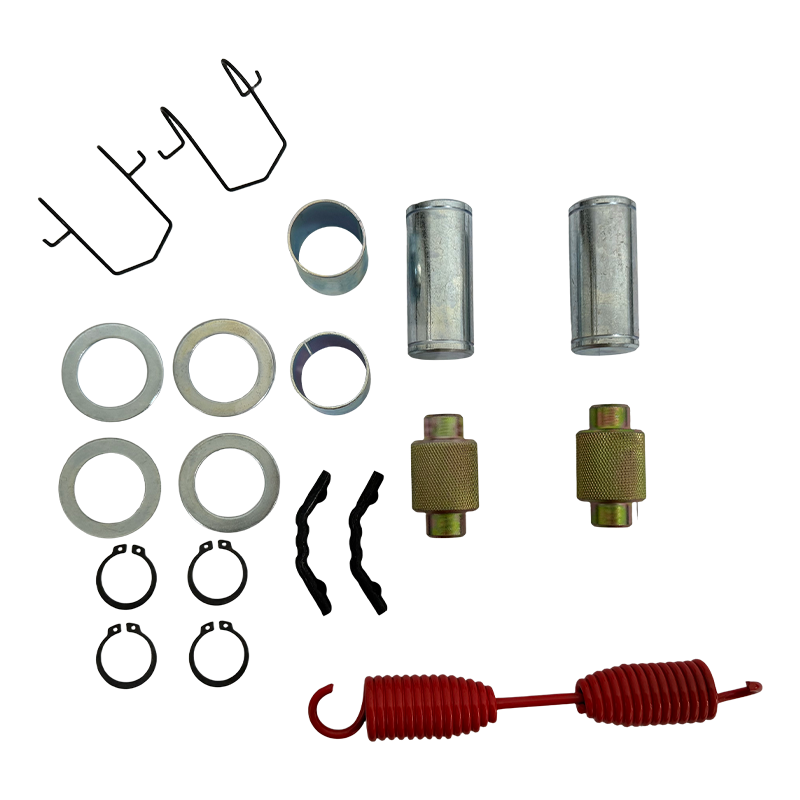
The 4515E E-1816SHD Hardware Kits, identified by the OEM Number E-1816SHD, represents a high-quality and comprehensive hardware set meticulously engin...
See DetailsGet a Free (Customized) Quote

derek@crgbrake.com
vicky@crgbrake.com

 OUR Product
What’s News
Copyright © Zhejiang Courage Auto Parts Co., Ltd. All Rights
Reserved
 Commercial Vehicles CRG Brake Parts Manufacturers