

 English
  中文简体
中文简体 

4707Q
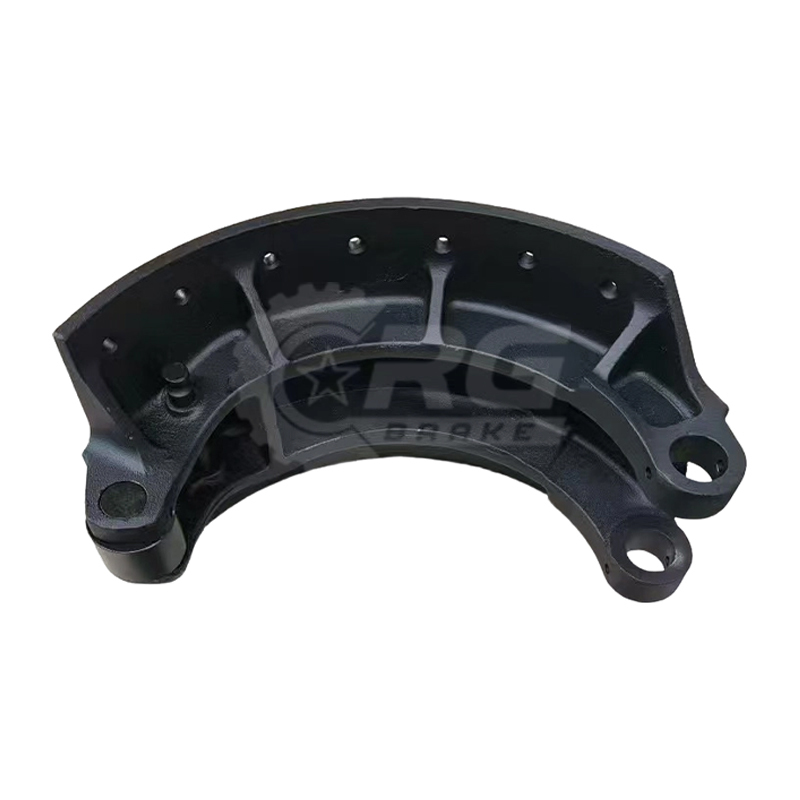
This 4707Q A19 3222 D2006 American Brake Shoes is a premium, heavy-duty replacement component specifically engineered for commercial vehicle braking s...
See Details
Content
A fully loaded Class 8 tractor-trailer can weigh up to 80,000 pounds. Bringing that mass to a controlled stop at highway speed demands far more than a passenger car's braking system — it requires a precisely engineered foundation brake assembly, and at the center of that assembly is the brake shoe.
Heavy duty trucks rely on air-actuated S-cam drum brake systems on most axles. When the driver presses the brake pedal, compressed air enters the brake chamber, pushing the pushrod and rotating the slack adjuster. That rotation turns the S-cam shaft, which spreads the brake shoes outward against the inner surface of the rotating drum. Friction converts kinetic energy into heat, and the truck slows.
The brake shoe is the component that carries the friction lining and transfers braking force directly to the drum. Its shape, construction, and lining material determine how efficiently and reliably that energy transfer happens — under a 20,000-lb steer axle load or a 25,000-lb severe-duty drive axle. Selecting the wrong brake shoe for the application doesn't just accelerate wear; it compromises stopping distances and, ultimately, road safety.
Not every brake shoe does the same job. The mechanical arrangement of shoes inside the drum — called the configuration — determines how braking force is distributed and how the shoe responds to drum rotation.
Leading and trailing (standard S-cam): The most common configuration on modern heavy duty trucks. The leading shoe engages first and generates the majority of stopping force; the trailing shoe stabilizes the cycle and completes the stop. This setup delivers balanced, predictable braking on steer, drive, and trailer axles and is the standard for both American and European commercial vehicle platforms.
Twin-leading: Both shoes function as leading shoes during forward motion, producing higher braking torque in that direction. This configuration offers stronger forward stopping power but performs slightly weaker in reverse. It appears mainly on older designs or specialty applications where maximum forward deceleration is the priority.
Duo-servo: Both shoes are self-energizing — the rotation of one shoe mechanically amplifies force on the other. The result is powerful braking in both directions, but at the cost of higher heat generation and accelerated wear under heavy loads. Duo-servo designs are less common today and tend to appear in certain vocational and trailer applications.
For most fleet operators running long-haul or regional routes, the leading-and-trailing S-cam configuration is the correct starting point. Vocational applications — dump trucks, refuse vehicles, construction equipment — may require a review of whether a more aggressive configuration is appropriate for the duty cycle. American-standard brake shoes for semi-trucks and trailers are engineered to the leading-and-trailing S-cam standard that dominates the North American market.
The physical structure of a brake shoe — specifically its web — determines how much mechanical stress it can absorb before flexing, distorting, or causing uneven lining contact.
Single-web brake shoes use one central rib connecting the shoe table to the anchor and cam ends. Lighter and easier to dissipate heat, they are the standard choice for line-haul and regional applications where axle ratings are moderate. Under consistent loads, they perform reliably and keep unsprung weight low.
Double-web brake shoes add a second reinforcing rib for substantially greater rigidity. Under repeated heavy braking — think a loaded aggregate hauler descending a grade — a stiffer shoe resists the flexing that causes uneven lining wear and early failure. The trade-off is added weight and a modest cost premium.
The most reliable way to match shoe construction to the application is by gross axle weight rating (GAWR):
| GAWR | Typical Application | Recommended Construction |
|---|---|---|
| 20,000 lb | Regional freight, light line-haul | Single-web, semi-metallic lining |
| 23,000 lb | Standard over-the-road, mixed freight | Single- or double-web, blended lining |
| 25,000 lb+ | Construction, logging, refuse, severe service | Double-web, high-metallic lining |
When a fleet operates at mixed loads, spec the shoe for the heaviest sustained duty the truck regularly encounters. Underspecifying creates flexing and premature wear; overspecifying on a light axle increases noise, drum wear, and braking harshness. Cast brake shoes for heavy commercial axles offer an alternative construction path — cast iron tables provide exceptional rigidity for high-GAWR severe-service environments where stamped steel shoes are insufficient.
The friction lining is where braking actually happens. Its material composition and how it is attached to the shoe table both have direct consequences for stopping performance, wear life, and operating cost.
Semi-metallic linings are the industry standard for heavy duty air-brake applications. A blend of metallic fibers, resins, and fillers provides consistent friction across a wide temperature range, making these linings well suited for regional and long-haul operations. They handle heat efficiently and last well under normal conditions, though they can generate more noise and drum wear than softer compounds.
High-metallic linings contain a higher percentage of metallic content specifically to resist fade at extreme temperatures. Construction vehicles, refuse trucks, and operations in mountainous terrain generate braking heat that exceeds what a standard semi-metallic lining handles reliably. High-metallic compounds maintain friction stability in these conditions, at the expense of a firmer pedal feel and faster drum wear.
Low-metallic / non-asbestos (NAO) linings use synthetic fibers and mineral fillers with minimal metallic content. Quieter and gentler on drums, they suit lighter commercial applications where braking temperatures remain moderate. They are rarely the right choice for Class 8 air-brake service under sustained heavy loads.
Friction performance is further classified by the SAE J866 friction code — a two-letter rating (such as FF or GG) describing the lining's behavior at both cold and hot operating temperatures. The first letter reflects lower-temperature performance; the second reflects high-temperature stability. For standard heavy duty truck applications, an FF-grade lining provides the right balance of torque output and fade resistance. Severe-duty applications may call for a GG-grade compound. Brake lining options for drum brake systems are available separately for operators who reline their own shoes in-house.
On lining attachment, the choice is between riveted and bonded construction. Riveted shoes use metal fasteners, making wear inspection straightforward — once rivet heads approach flush with the lining surface, replacement is due. Bonded shoes use high-temperature adhesives to achieve full-contact attachment, reducing noise and wear irregularities. For operators who prefer a ready-to-install solution, pre-lined brake shoes with friction material already attached eliminate the relining step entirely, and complete lined brake shoe kits with hardware include springs, pins, and retainers for a full axle service in a single order.
Every brake shoe geometry is standardized through an FMSI number — a universal identification code created by the Friction Materials Standards Institute. The FMSI number corresponds to a specific shoe shape, cam-end geometry, and application, making it the most reliable way to confirm correct fitment regardless of who manufactured the shoe.
Common FMSI numbers in the North American heavy duty market include:
The FMSI number is typically stamped on the shoe itself and printed on the packaging label. When cross-referencing between OEM parts and aftermarket suppliers, confirming the FMSI number ensures the replacement shoe matches the original's geometry and fitment — regardless of brand.
European commercial vehicles use a different set of reference numbers tied to axle manufacturers such as BPW and SAF. Common European references include BPW180 (05.091.46.17.0) and BPW200 (05.091.27.83.0), corresponding to BPW axle assemblies widely used on European semi-trailers and truck axles. European brake shoes for BPW and SAF axle systems require matching these OEM references precisely, as European shoe geometry does not interchange with American FMSI-numbered parts.
A practical rule: always verify fitment using both the FMSI number and the drum size (diameter × width). Two shoes with different FMSI numbers can share similar dimensions but differ in cam-end or anchor-end geometry — a mismatch that won't be obvious until installation.
Brake shoe selection in North America operates within a defined regulatory framework. Federal Motor Vehicle Safety Standard No. 121 (FMVSS 121) governs air brake system performance for trucks, buses, and trailers with a GVWR exceeding 10,000 pounds. Under this standard, most loaded heavy truck tractors must achieve a full stop from 60 mph within 250 feet. Severe-service tractors are permitted 310 feet.
These stopping distance requirements set the performance floor for the entire brake system — including the shoes. A brake shoe that underperforms its friction rating under heat, or that wears unevenly due to a construction mismatch, can push a vehicle outside compliance during a roadside inspection or post-accident analysis. DOT-compliant brake shoes are designed and tested to support FMVSS 121 performance across the vehicle's rated load range.
Beyond U.S. federal standards, buyers sourcing for export markets should confirm that brake shoes carry appropriate international certifications. The E-mark (ECE certification) is required for components sold into European markets; it signals that the friction material and shoe construction have been independently tested to ECE R90 performance criteria. Sourcing from a manufacturer capable of supplying both DOT-compliant American-standard shoes and E-mark-certified European-standard shoes simplifies procurement for globally operating fleets and distributors.
Brake shoes are safety-critical components. The difference between a supplier who understands friction engineering and one who treats shoes as commodity steel stampings becomes apparent in the field — through uneven wear, early lining separation, or inconsistent stopping performance under load.
A specialized brake shoe manufacturer offers several distinct advantages over a general parts distributor. Direct factory supply eliminates intermediary markups and gives buyers traceability to the production source — important when quality documentation is required for fleet maintenance records or regulatory audits. OEM-level engineering capability means the manufacturer can produce shoes to customer-specified dimensions, friction ratings, and lining configurations rather than forcing buyers to adapt around a fixed catalog.
Coverage depth also matters. North American fleets run on American-standard FMSI geometry; European and internationally sourced trailers run on BPW, SAF, and other European axle platforms. A supplier with both product lines in production — not just listed — can serve a mixed fleet from a single source, reducing vendor complexity and improving parts availability.
CRG, operated by Zhejiang Courage Auto Parts Co., Ltd., manufactures brake shoes, cast brake shoes, brake linings, and lined shoe assemblies for heavy duty commercial vehicle applications across both American and European axle standards. Production is supported by advanced manufacturing lines with OEM-grade tooling, and products are available for OEM partnership and custom specification. For procurement teams evaluating supplier consolidation or new sourcing relationships, direct factory inquiry provides the clearest picture of lead times, minimum order quantities, and certification documentation available.
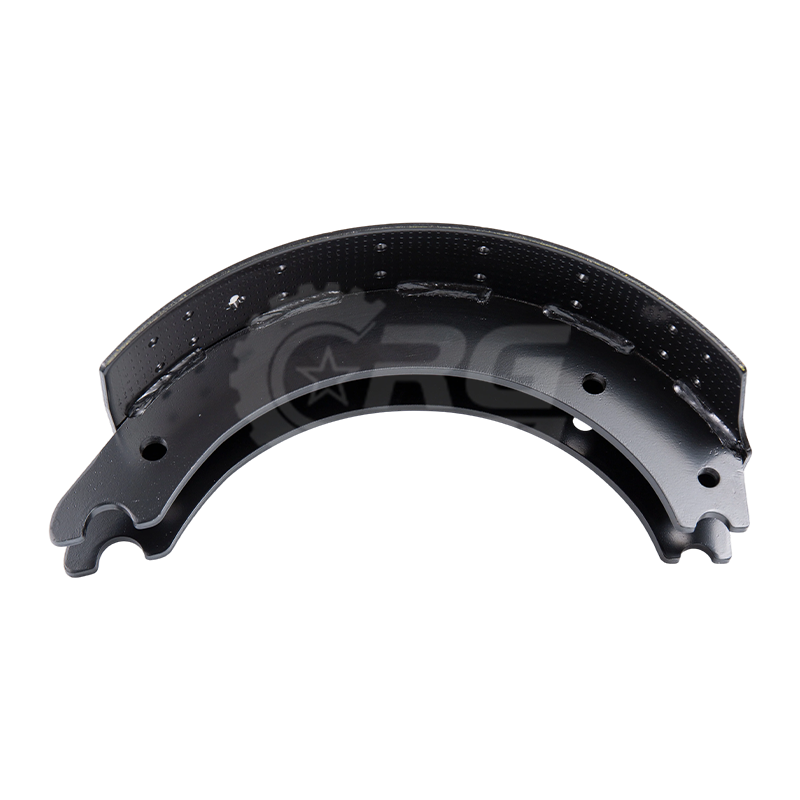
This 4707Q A19 3222 D2006 American Brake Shoes is a premium, heavy-duty replacement component specifically engineered for commercial vehicle braking s...
See Details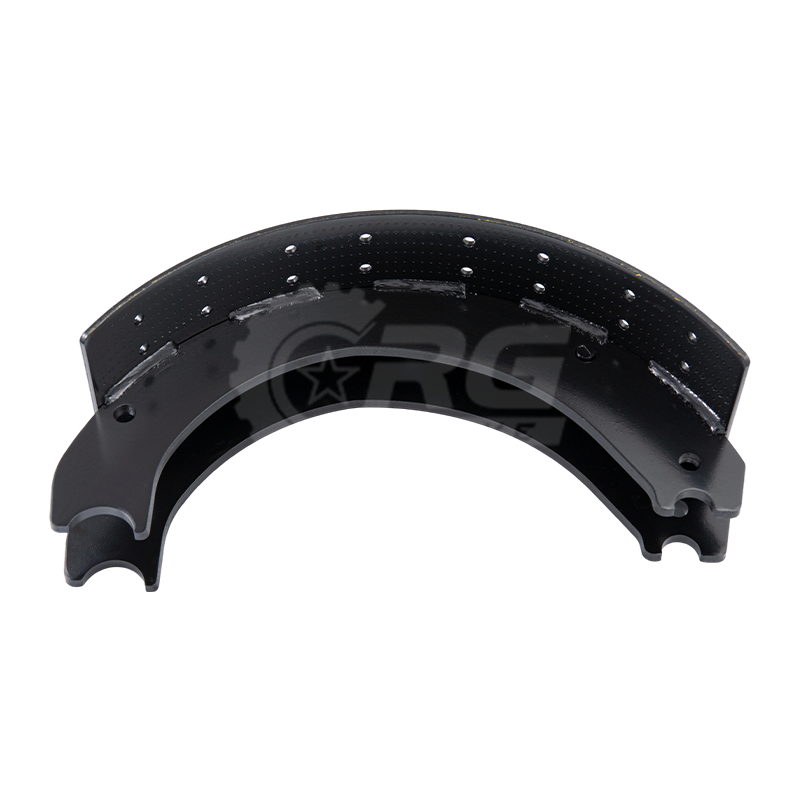
4709ES2 EATON 819707 American Brake Shoes is a high-performance, heavy-duty braking component meticulously engineered to meet the stringent requiremen...
See Details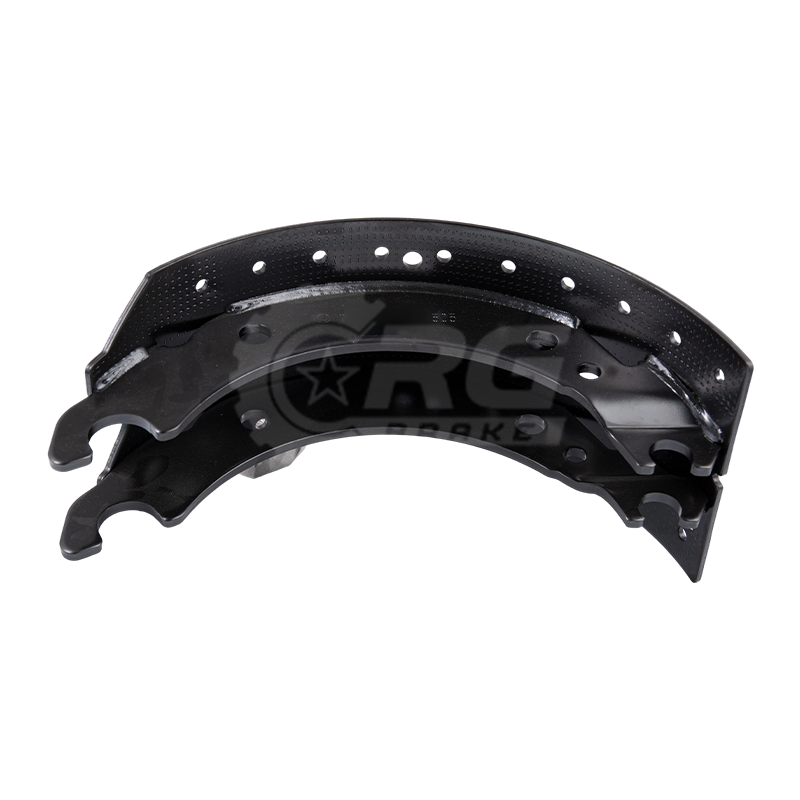
The BPW180 05.091.46.17.0 European Brake Shoes stands out as a high-performance component in commercial vehicle braking systems, trusted for its excep...
See Details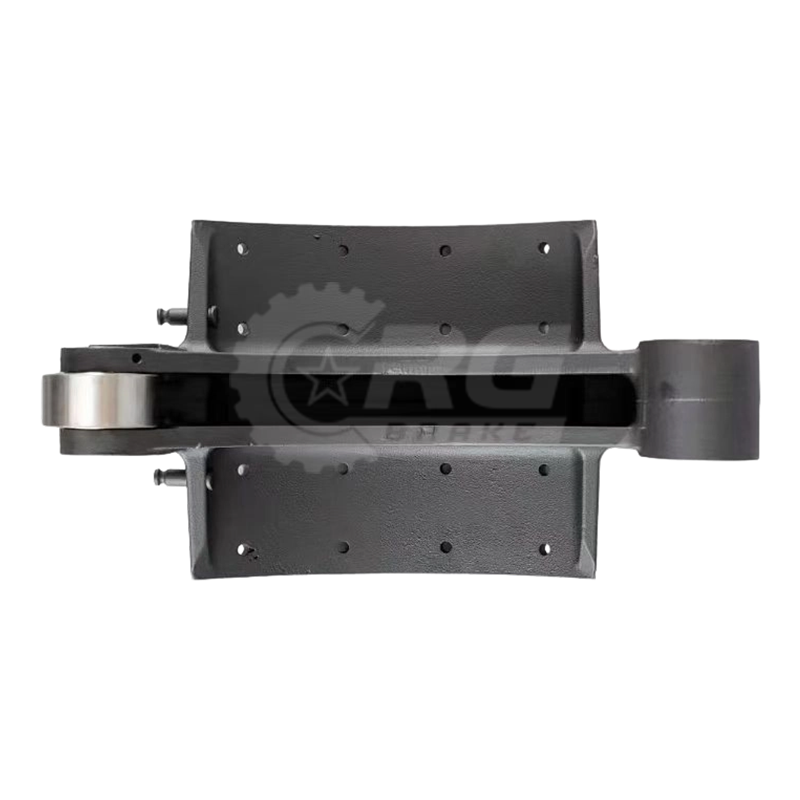
The SC254 1104545 Cast Brake Shoes is a premium-grade, high-performance braking component meticulously engineered for heavy-duty commercial vehicles. ...
See Details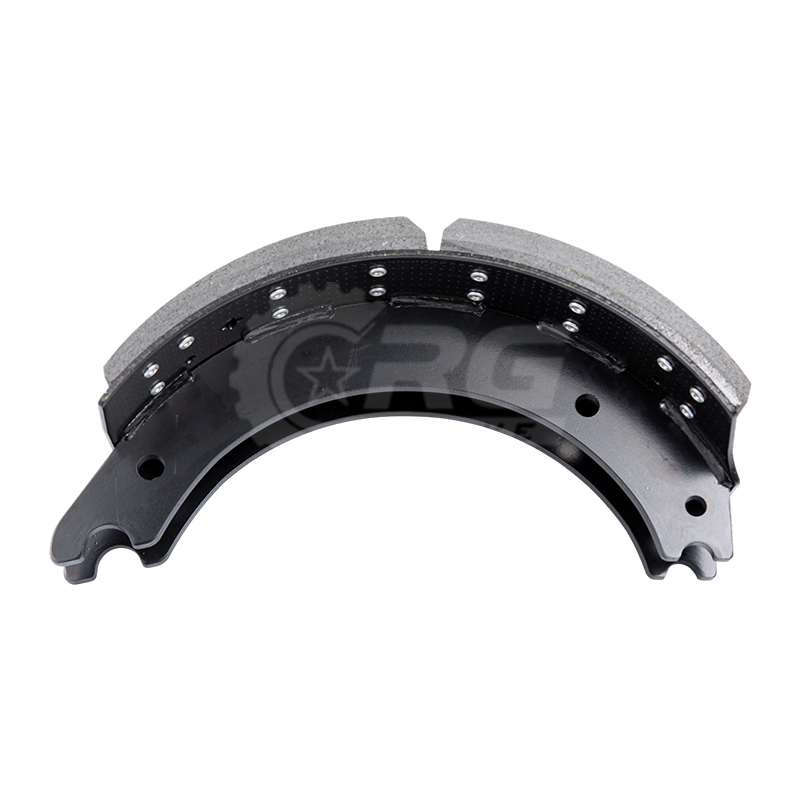
The 4707Q A19 3222 D2006 Lined Brake Shoes is specifically engineered to deliver exceptional heavy-duty braking performance, making it an ideal choice...
See Details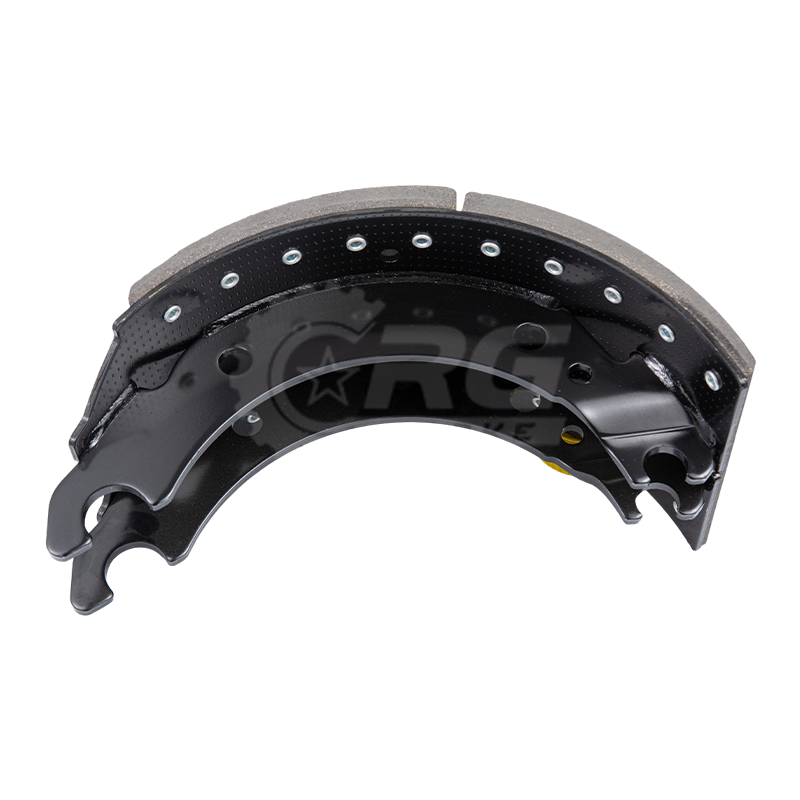
BPW200 05.091.27.83.0 Lined Brake Shoes is a premium, high-performance braking component meticulously engineered for use in commercial vehicle braking...
See Details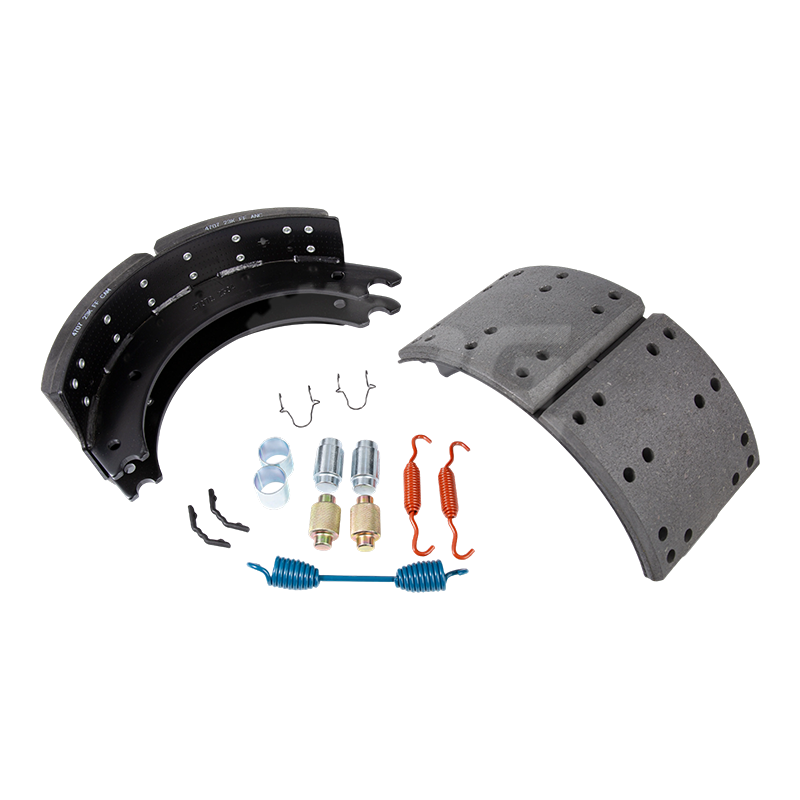
Our 4707Q A19 3222 D2006 Lined Brake Shoes With Hardware Kits are precision-engineered components measuring 16.5 inches in length and 7 inches in widt...
See Details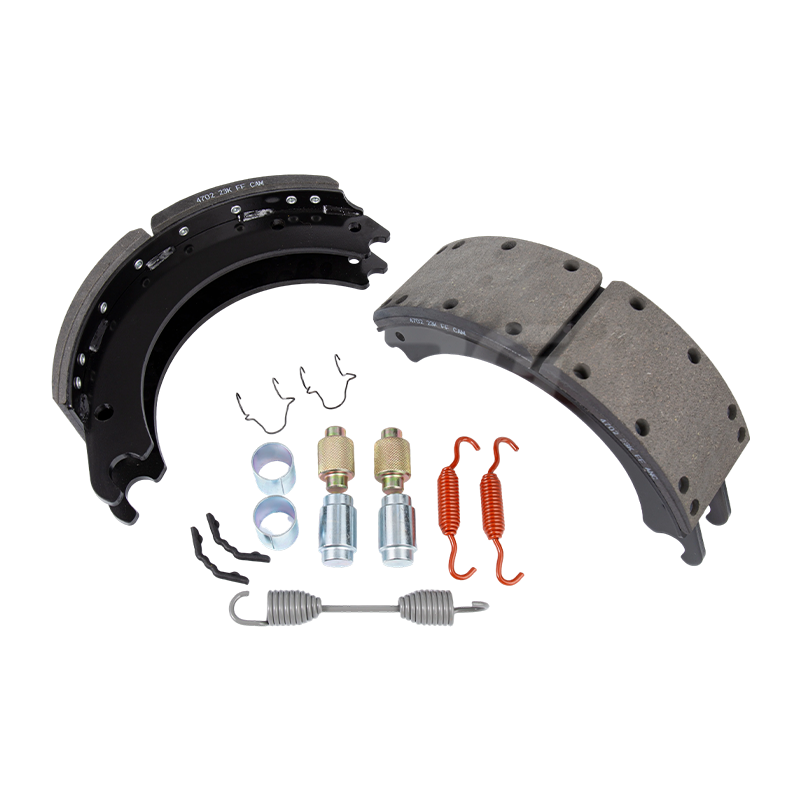
The 4702Q A3222 M2223 Lined Brake Shoes With Hardware Kits with Hardware Kits, measuring 15 inches by 4 inches, are meticulously engineered to provide...
See Details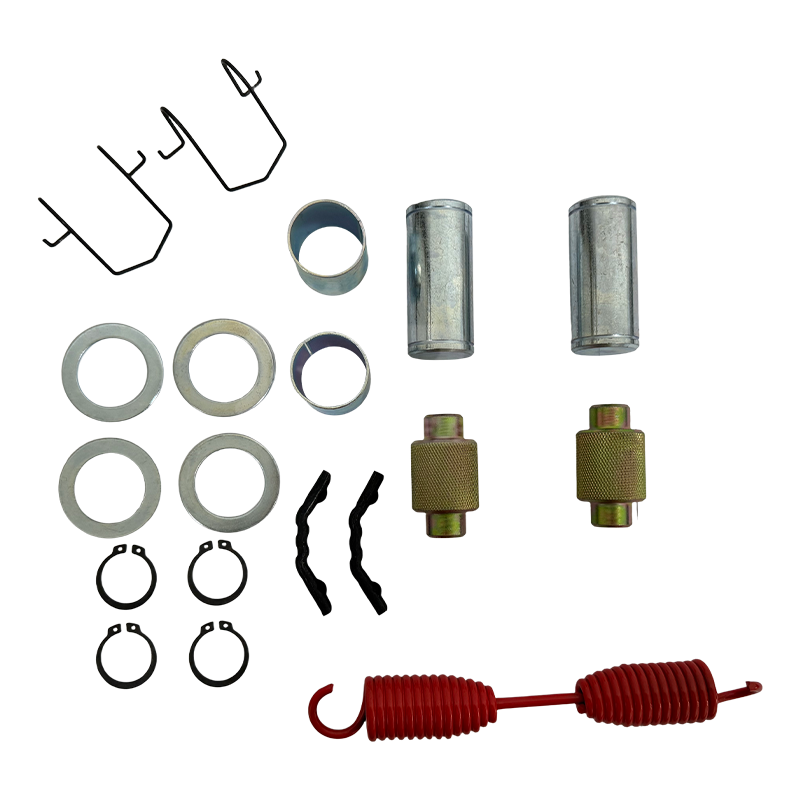
The 4515E E-1816SHD Hardware Kits, identified by the OEM number E-1816SHD, is a premium-quality hardware kit meticulously engineered for comprehensive...
See Details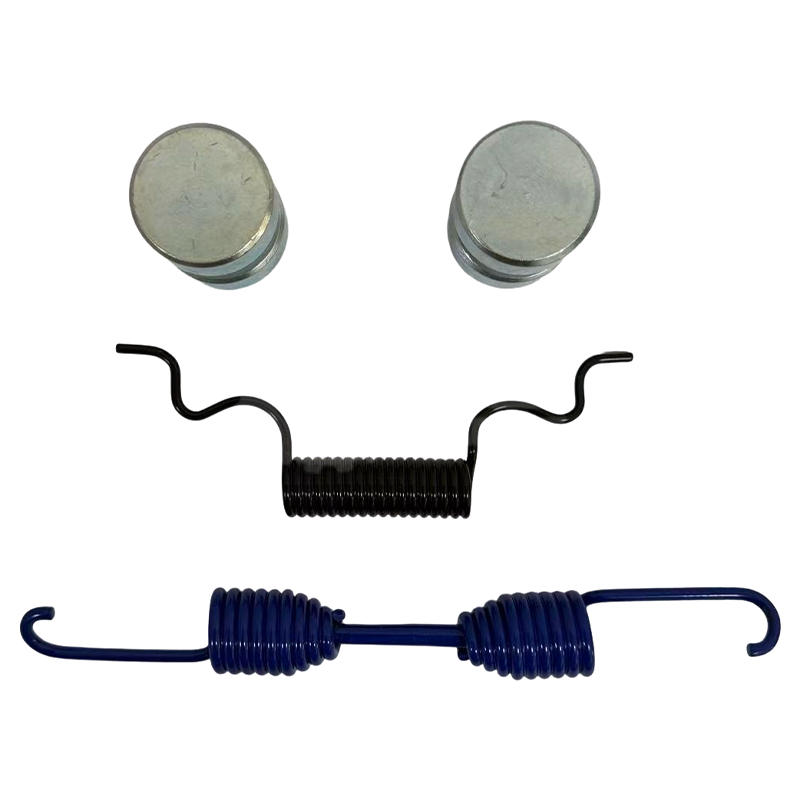
The1308E E-5139 Hardware Kits (Part No. 1308E, OEM No. E-5139) is meticulously designed to provide an effective and comprehensive solution for the res...
See DetailsGet a Free (Customized) Quote

derek@crgbrake.com
vicky@crgbrake.com

 OUR Product
What’s News
Copyright © Zhejiang Courage Auto Parts Co., Ltd. All Rights
Reserved
 Commercial Vehicles CRG Brake Parts Manufacturers