

 English
  中文简体
中文简体 

CA33
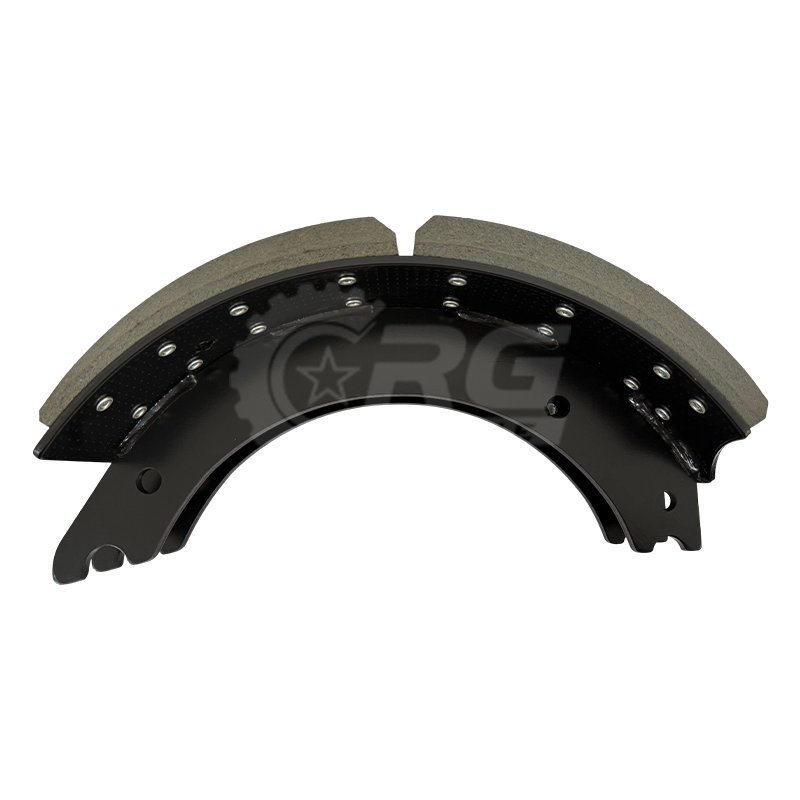
The CA33 A 3222FM61 American Brake Shoes is a high-performance, heavy-duty component specifically engineered to meet and exceed the rigorous demands o...
See Details
Content
Brake shoes are a critical component of drum brake systems, and most modern brake shoes are classified as "lined" because they come with a friction material bonded or riveted to a metal backing plate. Understanding what lined brake shoes are, how they differ from one another, and how much they cost to replace can help vehicle owners make smarter maintenance decisions and avoid unexpected brake failures. This article breaks down the essentials of lined brake shoes, from their construction to practical upkeep advice.
A lined brake shoe is a curved metal shoe fitted with a layer of friction material, known as the "lining," on its outer surface. When the brake pedal is pressed, hydraulic pressure pushes the shoes outward so the lining presses against the inside of the brake drum, creating friction that slows the wheel. The metal shoe itself provides structural strength, while the lining is the actual wear component responsible for stopping power.
Unlike disc brake pads, which clamp onto a rotor from both sides, brake shoes work inside a drum and expand outward. Because the lining wears down with every stop, it is designed to be replaceable, either as a bonded unit that is discarded and replaced whole, or as a relined shoe where only the friction material is swapped out on a reusable metal core.
Drum brake systems rely on a wheel cylinder, springs, an adjuster mechanism, and a pair of lined brake shoes housed inside the brake drum. When the driver presses the brake pedal, brake fluid pushes the wheel cylinder pistons outward, forcing the shoes to expand and contact the drum's inner surface. The friction generated converts kinetic energy into heat, slowing the vehicle.
Once the pedal is released, return springs pull the shoes back to their resting position, away from the drum. Over time, as the lining wears thin, the self-adjusting mechanism compensates by moving the shoes slightly closer to the drum, which is why drum brakes can maintain relatively consistent pedal feel even as the lining wears down.
Lined brake shoes are generally categorized by the friction material used and by how the lining is attached to the shoe. Choosing the right type affects braking performance, noise levels, dust production, and lifespan.
| Type | Composition | Best For |
| Organic Lining | Rubber, glass, and fiber compounds | Everyday passenger cars, quiet operation |
| Semi-Metallic Lining | Steel fibers mixed with friction filler | Trucks, trailers, heavier loads |
| Ceramic Lining | Ceramic fibers with bonding agents | Low dust, longer-lasting applications |
The cost of lined brake shoes depends on the vehicle type, the friction material chosen, and whether the work is done at a shop or as a DIY project. Below is a general breakdown of typical price ranges.
| Item | Estimated Cost (USD) |
| Brake shoe set (parts only) | $25 - $80 per axle |
| Professional labor | $80 - $150 per axle |
| Full service (parts + labor) | $100 - $230 per axle |
| Heavy-duty or commercial shoes | $150 - $400 per axle |
Additional expenses can arise if the wheel cylinders, springs, or drums also need replacement, since these components often wear alongside the shoes. Choosing ceramic or semi-metallic linings typically raises the parts cost slightly but can extend the interval between replacements, offsetting the higher upfront price over time.
Proper maintenance can significantly extend the service life of lined brake shoes and prevent premature drum damage. Consider the following practices as part of a routine care schedule.
Recognizing early warning signs helps drivers avoid costly damage to the brake drum or a sudden loss of stopping power. Watch for the following indicators.
Selecting the correct lined brake shoe involves matching the friction material to the vehicle's use case. Everyday commuter cars generally perform well with organic linings that offer quiet, smooth engagement. Vehicles used for towing, hauling, or frequent stop-and-go driving benefit from semi-metallic linings that handle higher heat without fading. Drivers seeking reduced brake dust and longer intervals between service may prefer ceramic-lined shoes, despite the slightly higher purchase price.
It is also important to verify that replacement shoes match the exact size and shape specified for the vehicle's make, model, and year, since even small dimensional differences can cause uneven contact with the drum and reduce braking efficiency. Consulting the vehicle's service manual or a trusted parts supplier ensures the correct fitment before installation.
Lined brake shoes remain a reliable and cost-effective braking solution for many vehicles, particularly on rear axles where drum brakes are still common. By understanding the differences between friction materials, budgeting appropriately for replacement costs, and following consistent maintenance practices, drivers can keep their braking system responsive and safe for many miles ahead.
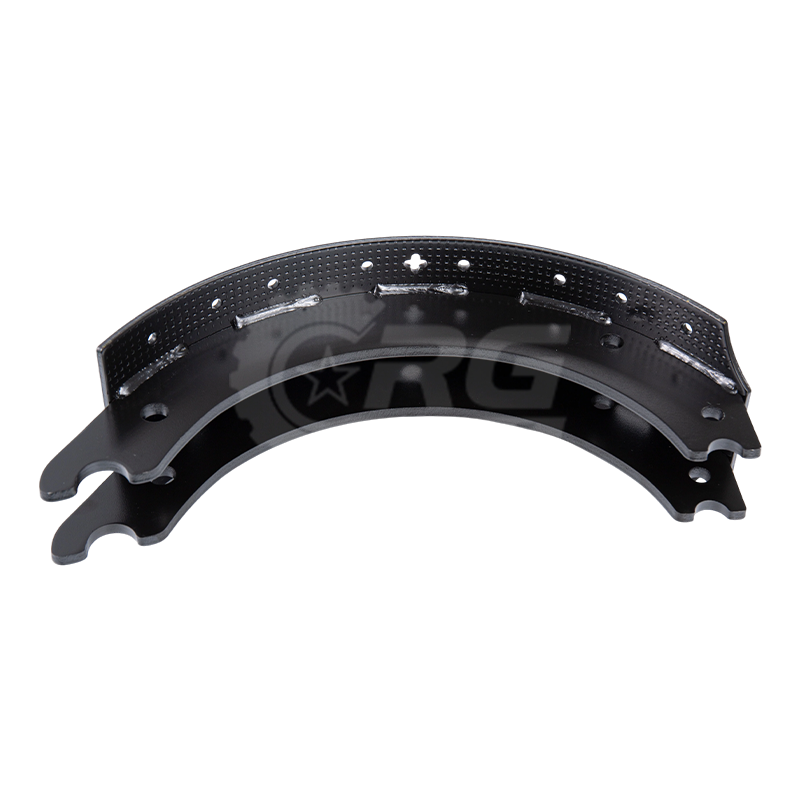
The CA33 A 3222FM61 American Brake Shoes is a high-performance, heavy-duty component specifically engineered to meet and exceed the rigorous demands o...
See Details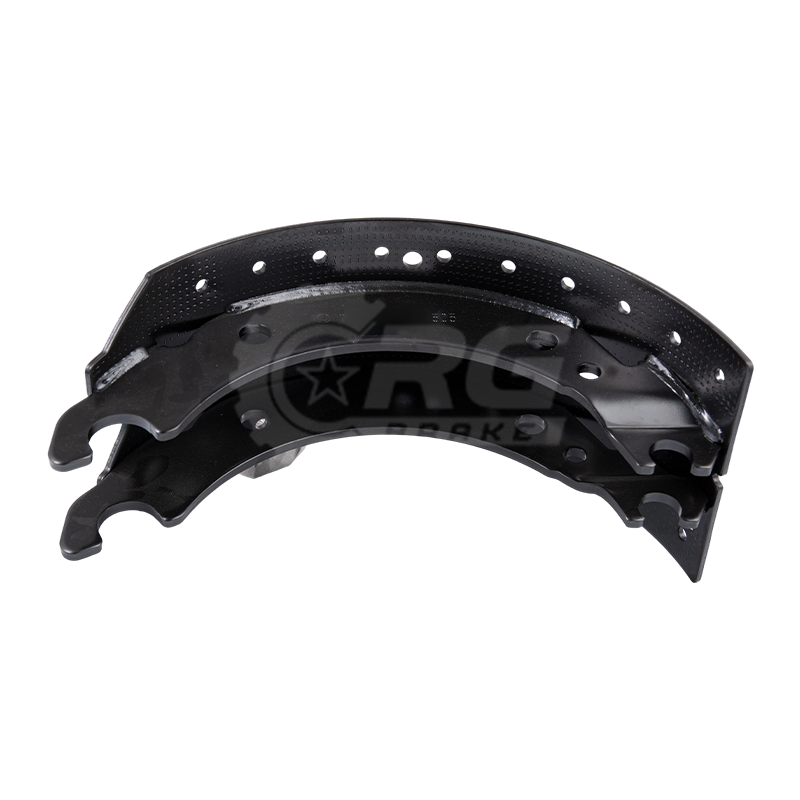
The BPW180 05.091.46.17.0 European Brake Shoes stands out as a high-performance component in commercial vehicle braking systems, trusted for its excep...
See Details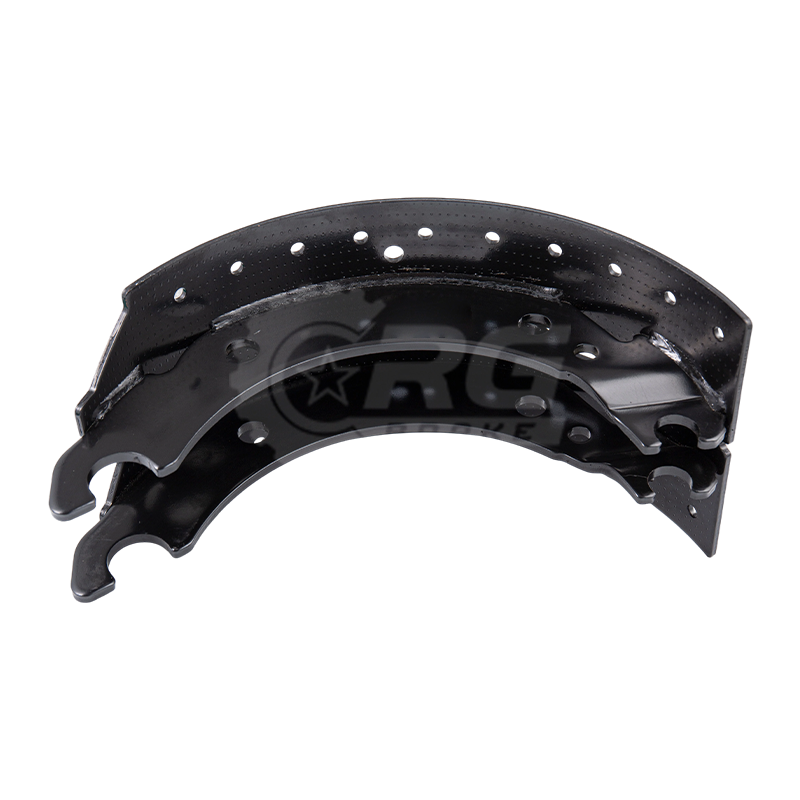
The BPW200 05.091.27.83.0 European Brake Shoes, with a size specification of 420×200mm, is a high-performance aftermarket replacement component that i...
See Details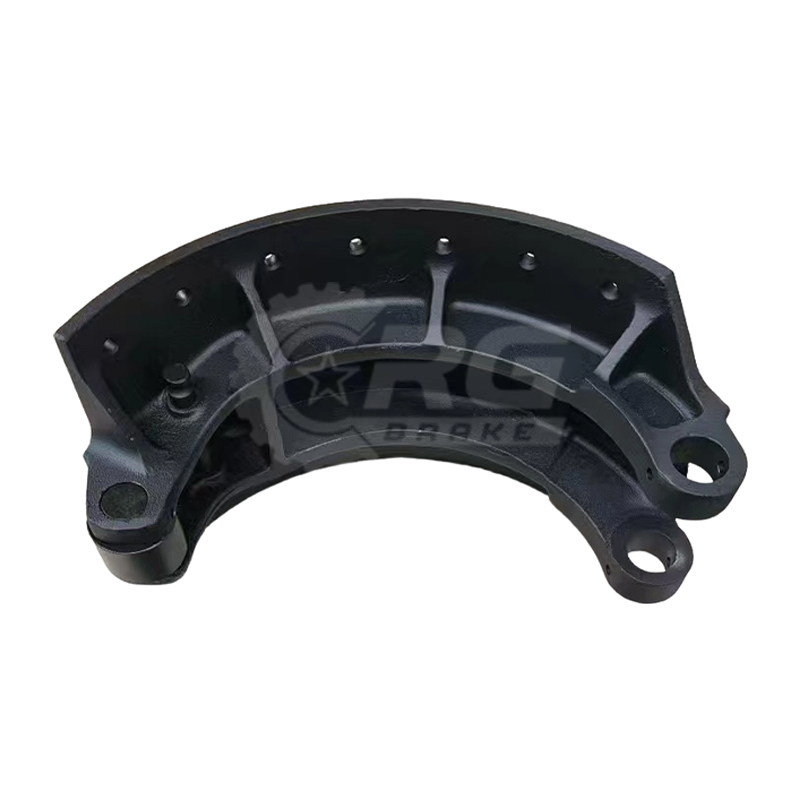
The VOLVO200 1137701 Cast Brake Shoes, with a dimension of 410×200 mm, is meticulously designed to fulfill the demanding performance and safety requir...
See Details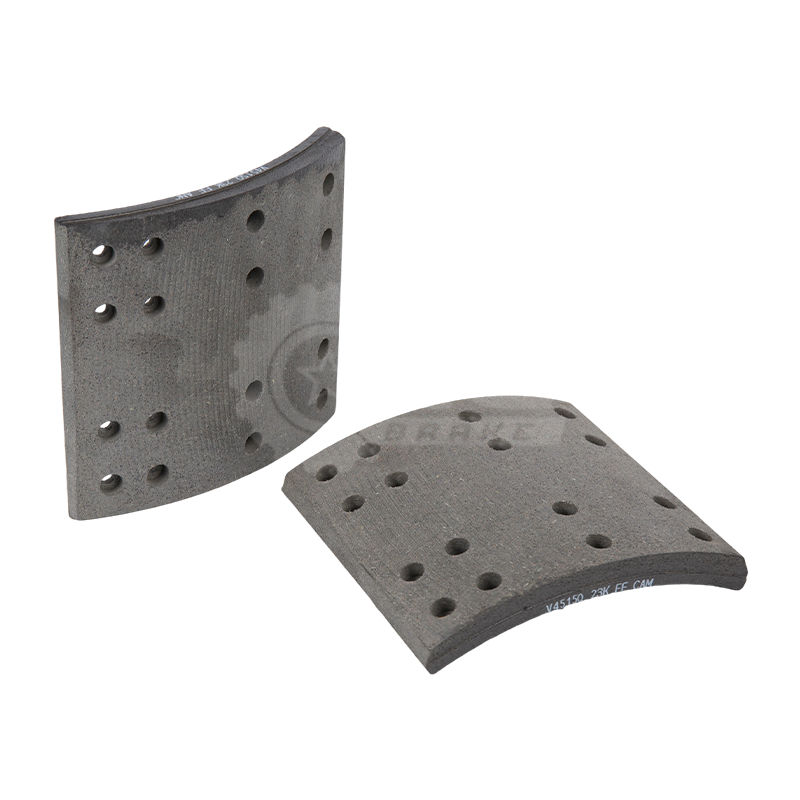
The 4515 American Brake Linings brake shoe is designed with a standard 16.5" x 7" dimension, which has been widely recognized as an optimal size for m...
See Details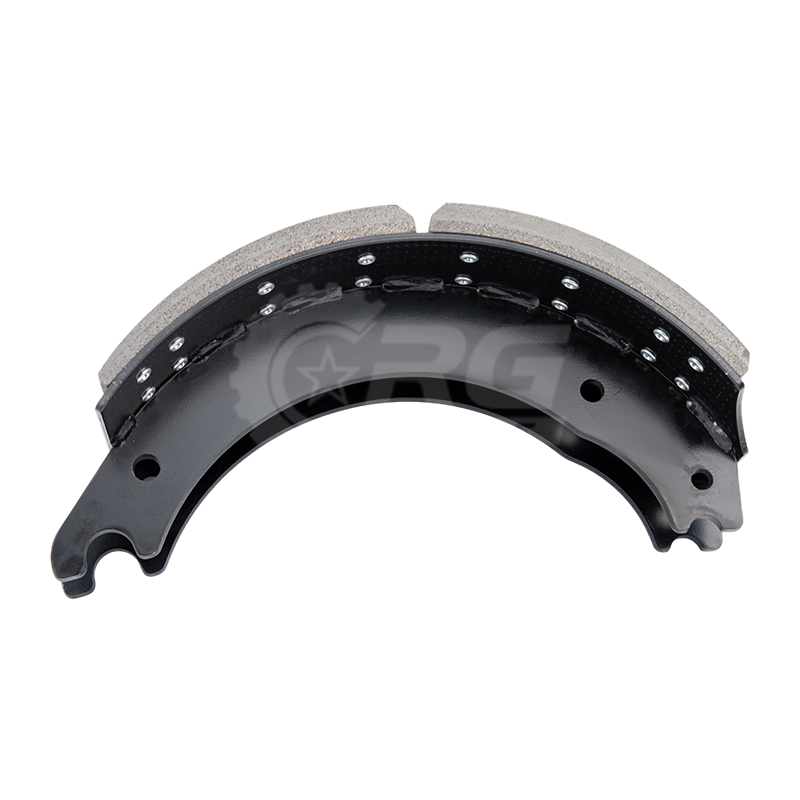
The 4515Q A91 3222 S1293 Lined Brake Shoes is a high-performance braking component meticulously engineered to meet the rigorous demands of modern brak...
See Details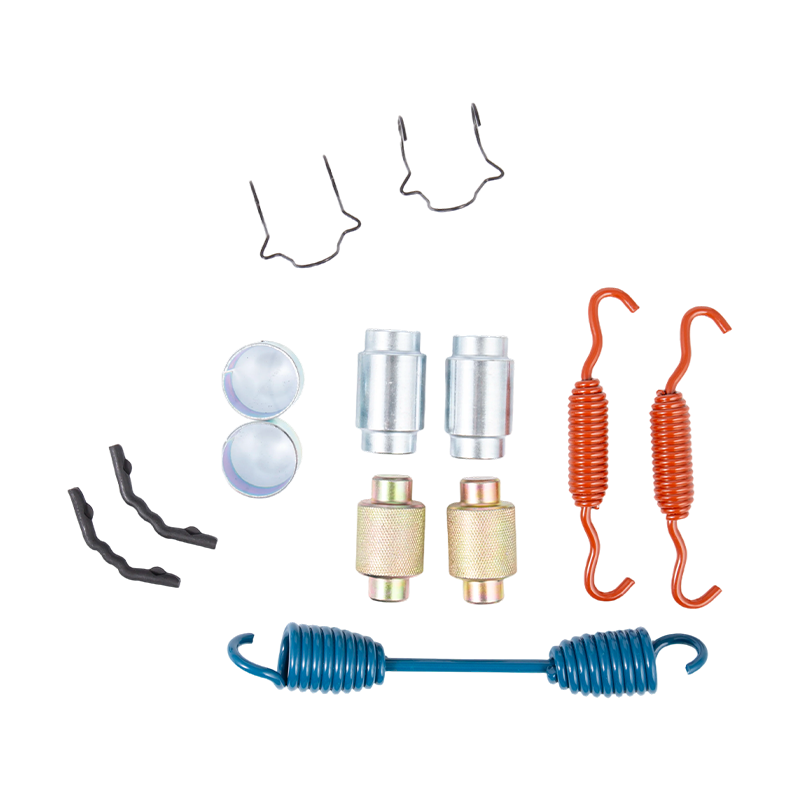
The 4515Q/4707Q E-2769SHD Hardware Kits is meticulously engineered specifically for use with the 4515Q and 4707Q vehicle models, targeting the essenti...
See Details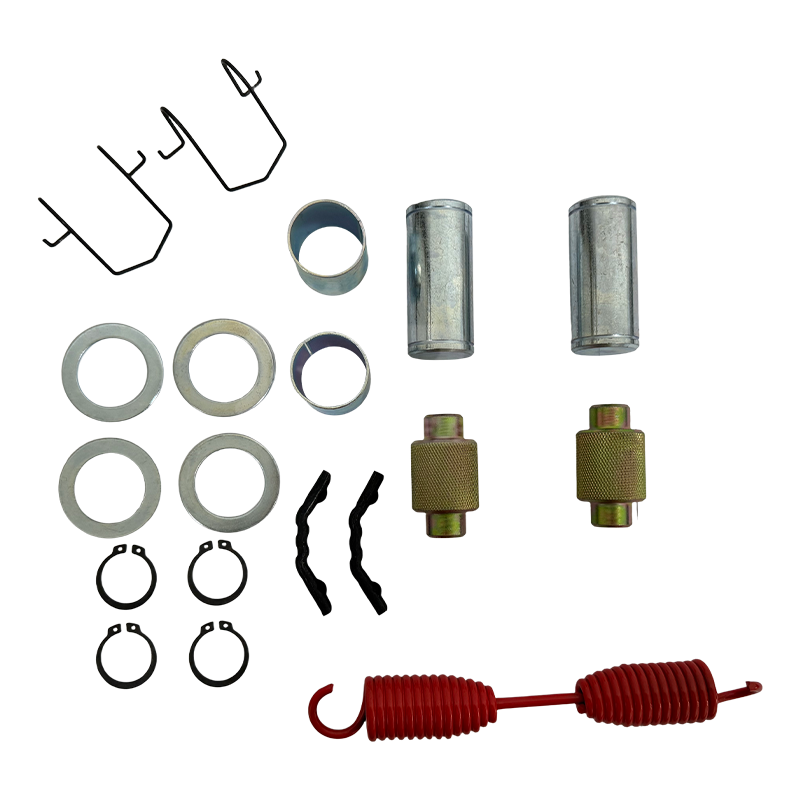
The 4515E E-1816SHD Hardware Kits, identified by the OEM number E-1816SHD, is a premium-quality hardware kit meticulously engineered for comprehensive...
See Details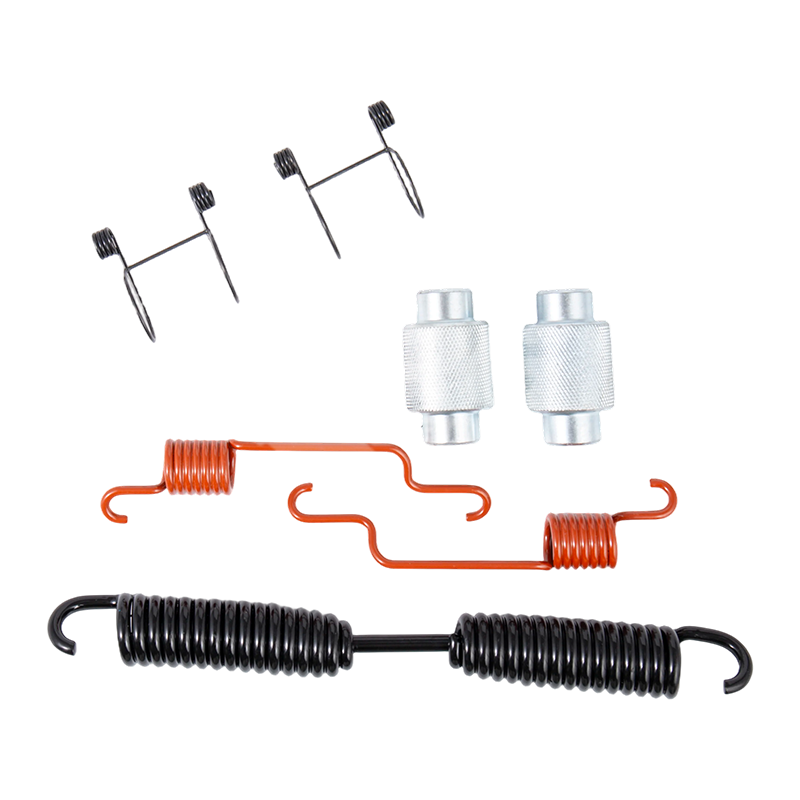
This hardware kit, model E-10244S with part number 4709ES2, is a premium-grade brake repair kit meticulously engineered for comprehensive vehicle brak...
See Details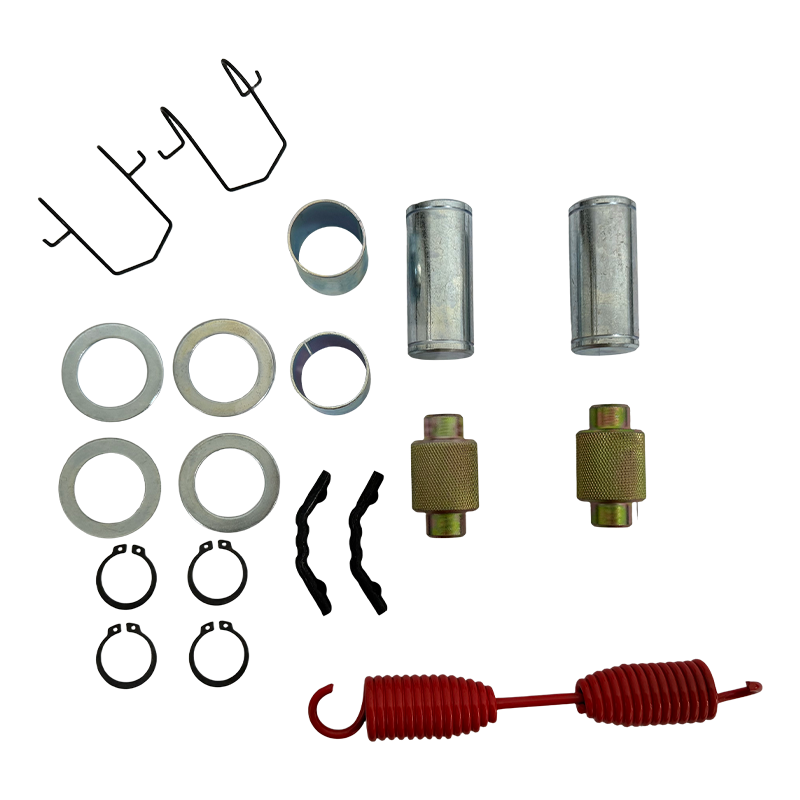
The 4515E E-1816SHD Hardware Kits, identified by the OEM Number E-1816SHD, represents a high-quality and comprehensive hardware set meticulously engin...
See DetailsGet a Free (Customized) Quote

derek@crgbrake.com
vicky@crgbrake.com

 OUR Product
What’s News
Copyright © Zhejiang Courage Auto Parts Co., Ltd. All Rights
Reserved
 Commercial Vehicles CRG Brake Parts Manufacturers