

 English
  中文简体
中文简体 

4515Q
4515Q A91 3222 S1293 American Brake Shoes is a premium, high-performance replacement component meticulously engineered for use in heavy-duty braking s...
See Details
Content
Cast brake shoes are essential components used in drum brake systems, particularly in commercial vehicles, heavy-duty trucks, trailers, buses, construction machinery, agricultural equipment, and certain industrial applications. Unlike standard stamped steel brake shoes, cast brake shoes are manufactured using casting processes that create a solid and robust structure capable of withstanding higher loads and more demanding operating conditions.
The primary function of a brake shoe is to press friction material against the inner surface of a brake drum, creating resistance that slows or stops the vehicle. In heavy-duty applications where braking systems are subjected to significant stress, cast brake shoes provide structural strength and durability that help maintain reliable braking performance over extended service periods.
As transportation, logistics, and industrial operations continue to demand greater efficiency and reliability, cast brake shoes remain a preferred choice for operators seeking dependable braking solutions. Understanding their advantages can help fleet managers, maintenance professionals, and equipment owners make informed purchasing and maintenance decisions.
One of the most significant advantages of cast brake shoes is their superior structural strength. The casting process produces a solid and rigid component capable of handling substantial mechanical forces during braking operations.
Heavy commercial vehicles often transport large loads over long distances. During braking, enormous pressure is transferred through the brake shoe assembly. Cast brake shoes are designed to resist deformation under these conditions, ensuring consistent contact between the friction lining and the brake drum.
This strength becomes particularly valuable in demanding environments such as mining operations, construction sites, mountain transportation routes, and long-haul freight applications where braking systems are frequently exposed to extreme loads.
Braking systems generate substantial amounts of heat through friction. In heavy-duty applications, temperatures can increase rapidly during repeated stops, steep downhill descents, or high-load operations.
Cast brake shoes offer excellent heat resistance due to their material composition and mass. Their ability to absorb and distribute thermal energy helps maintain stable operating temperatures within the brake assembly.
Effective heat management is crucial because excessive temperatures can cause brake fade, reduced friction performance, accelerated wear, and damage to surrounding components. Cast brake shoes help minimize these risks by providing a stable platform for heat dissipation.
For vehicles that operate continuously in challenging environments, improved thermal performance translates directly into safer and more predictable braking behavior.
Durability is one of the primary reasons cast brake shoes remain popular in commercial and industrial applications. Their robust construction allows them to withstand repeated braking cycles without suffering significant structural degradation.
Because cast brake shoes resist cracking, bending, and fatigue better than lighter alternatives, they often remain in service for extended periods. This longer lifespan reduces replacement frequency and contributes to lower maintenance costs over time.
Fleet operators especially benefit from this durability because minimizing maintenance downtime directly impacts operational efficiency and profitability. Fewer component replacements mean less time spent in workshops and more time available for productive vehicle use.
Consistent braking performance is essential for vehicle control and safety. Cast brake shoes maintain their shape and alignment under load, allowing the friction lining to make even contact with the brake drum.
Uniform contact improves braking efficiency by distributing braking forces evenly across the entire friction surface. This consistency helps reduce uneven wear patterns, vibration, and performance fluctuations.
Drivers often experience smoother braking action and more predictable vehicle response, particularly when operating heavy vehicles under varying load conditions. Reliable braking consistency becomes especially important during emergency braking situations where predictable stopping performance can significantly improve safety.
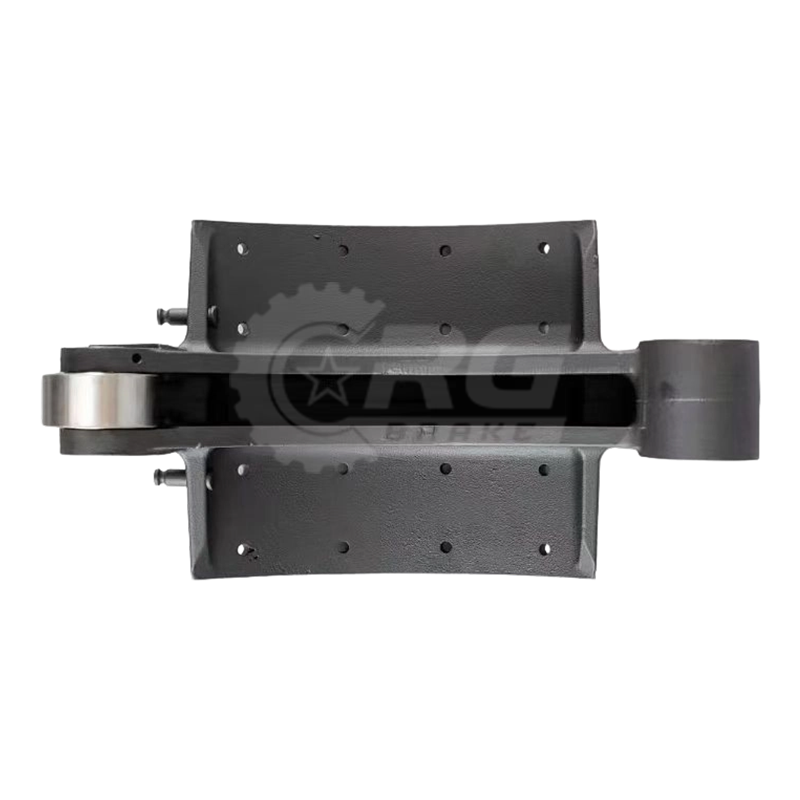
The effectiveness of a drum brake system depends not only on the friction material but also on the support structure beneath it. Cast brake shoes provide a rigid foundation that supports the brake lining throughout its service life.
A stable backing structure allows the lining to wear more evenly and maintain optimal contact with the drum surface. This contributes to improved braking performance and extends the usable life of the friction material.
The solid construction of cast brake shoes also reduces the likelihood of lining separation or attachment failures, particularly in high-temperature operating environments.
Maintenance costs represent a significant expense for commercial fleets and industrial equipment operators. Cast brake shoes help reduce maintenance requirements by providing dependable long-term performance.
Because these components are less prone to structural damage and deformation, inspections often reveal fewer issues requiring corrective action. This reduces labor costs and minimizes vehicle downtime.
Maintenance teams also benefit from predictable wear characteristics, making it easier to schedule preventative maintenance and avoid unexpected failures.
| Performance Factor | Advantage of Cast Brake Shoes |
| Structural Strength | Handles heavy braking loads effectively |
| Heat Resistance | Improves thermal stability |
| Durability | Long service life |
| Maintenance | Reduces repair frequency |
| Safety | Provides consistent braking performance |
Heavy-duty vehicles often operate under conditions that place extraordinary demands on braking systems. Long-distance trucking, construction projects, mining operations, and agricultural activities require braking components capable of handling substantial weight and frequent use.
Cast brake shoes are specifically suited to these applications because they combine strength, durability, and heat resistance. Their performance remains stable even when vehicles are subjected to repeated braking cycles, rough terrain, or heavy payloads.
This reliability contributes to operational efficiency by reducing unexpected breakdowns and maintaining safe vehicle operation throughout demanding work schedules.
While cast brake shoes may sometimes involve a higher initial purchase cost compared to lighter alternatives, their long-term value often outweighs the upfront investment. Extended service life, reduced maintenance frequency, and lower replacement rates contribute to overall cost savings.
Fleet managers frequently evaluate braking components based on total lifecycle cost rather than initial purchase price. Cast brake shoes often perform well under this analysis because they help reduce labor expenses, downtime costs, and inventory requirements.
For organizations operating large vehicle fleets, these cumulative savings can become substantial over time.
Another important advantage of cast brake shoes is their versatility. They are widely used across multiple transportation and industrial sectors, including trucks, buses, trailers, agricultural machinery, material handling equipment, and specialized industrial vehicles.
Manufacturers produce cast brake shoes in numerous sizes and configurations to accommodate different brake drum designs and operational requirements. This broad compatibility makes them a practical solution for diverse applications where reliable braking performance is essential.
Safety remains the most important consideration in any braking system. Cast brake shoes contribute to vehicle safety by maintaining structural integrity, supporting even friction contact, and delivering dependable braking performance throughout their service life.
Predictable braking behavior helps drivers maintain control during routine operation as well as emergency situations. The reduced risk of component failure and brake fade further enhances safety for vehicle operators, passengers, cargo, and other road users.
In industries where equipment reliability directly affects workplace safety, the robust performance of cast brake shoes provides valuable operational confidence.
Cast brake shoes offer numerous advantages that make them a preferred choice for heavy-duty and commercial braking systems. Their exceptional structural strength, superior heat resistance, long service life, consistent braking performance, and reduced maintenance requirements provide significant benefits for vehicle owners and fleet operators alike.
By supporting reliable braking under demanding operating conditions, cast brake shoes contribute to improved safety, enhanced operational efficiency, and lower long-term ownership costs. Whether used in transportation, construction, agriculture, or industrial applications, these durable braking components continue to play a vital role in maintaining dependable vehicle performance and safe operation.
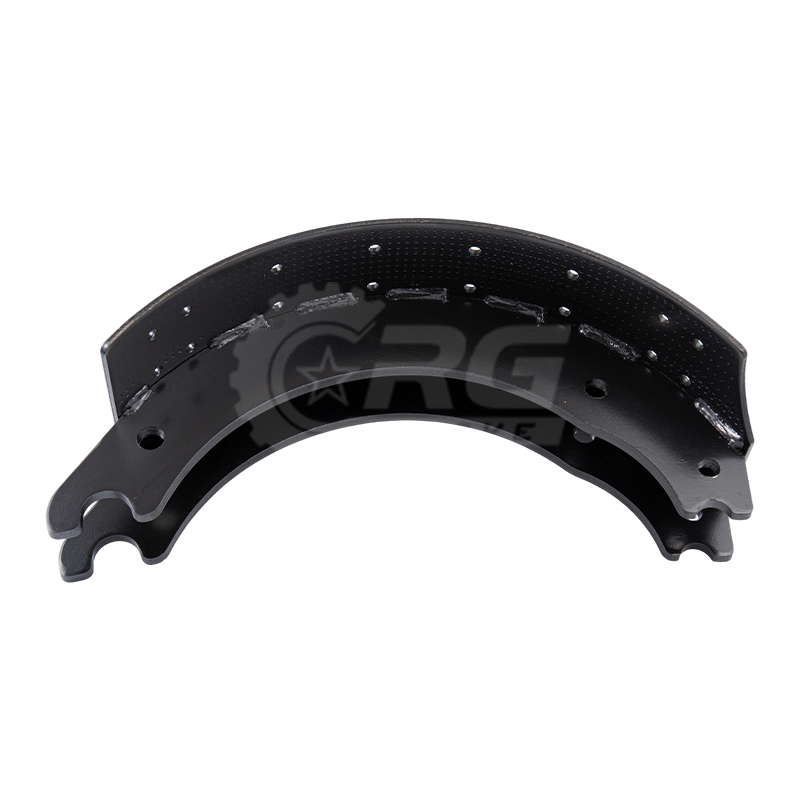
4515Q A91 3222 S1293 American Brake Shoes is a premium, high-performance replacement component meticulously engineered for use in heavy-duty braking s...
See Details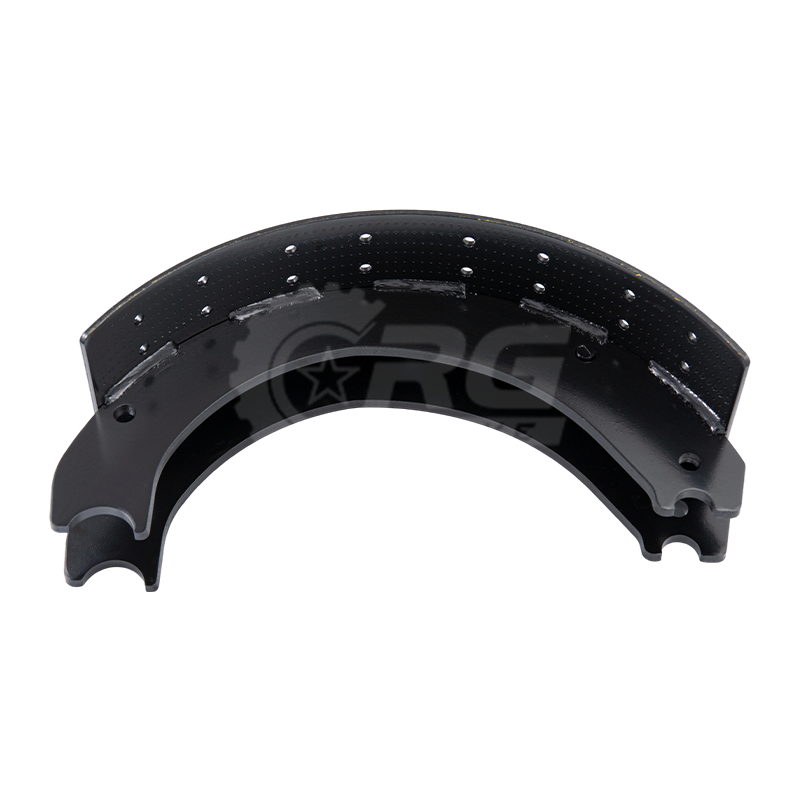
4709ES2 EATON 819707 American Brake Shoes is a high-performance, heavy-duty braking component meticulously engineered to meet the stringent requiremen...
See Details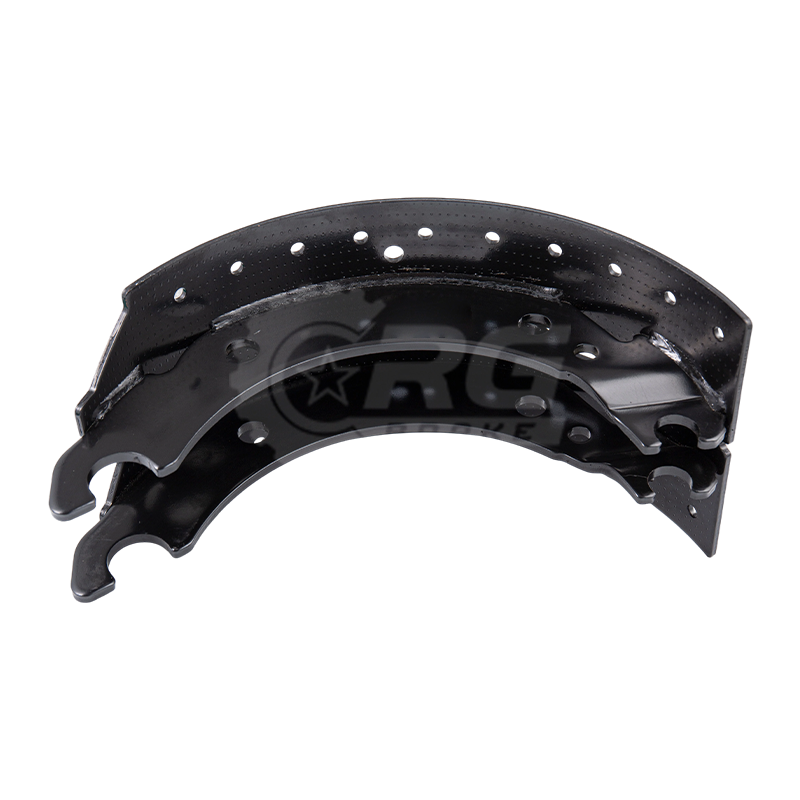
The BPW200 05.091.27.83.0 European Brake Shoes, with a size specification of 420×200mm, is a high-performance aftermarket replacement component that i...
See Details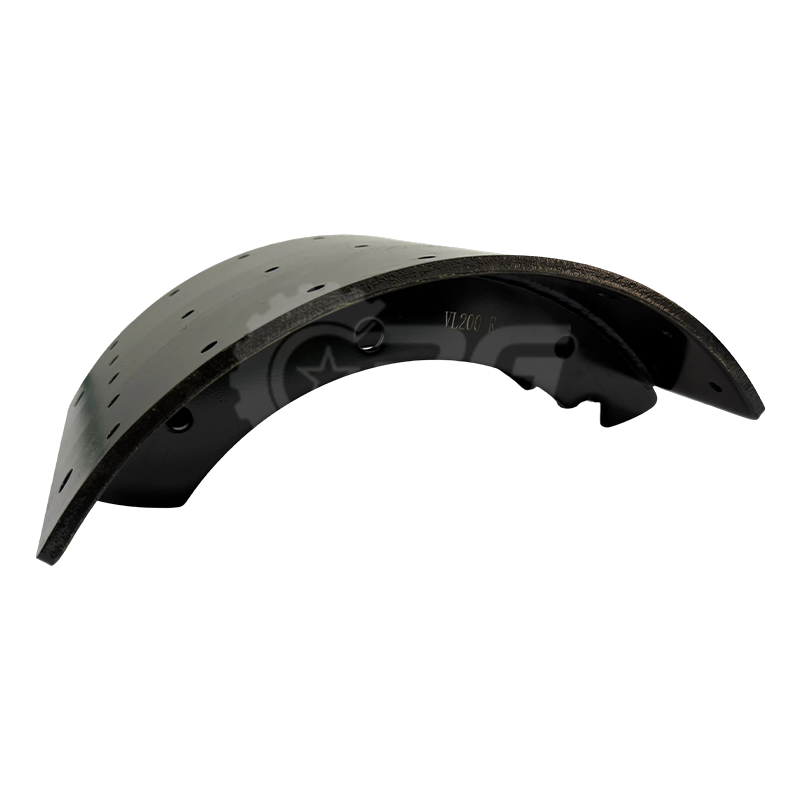
The VOLVO200 3095196 European Brake Shoes is meticulously designed and engineered to meet the demanding requirements of commercial trucks and heavy-du...
See Details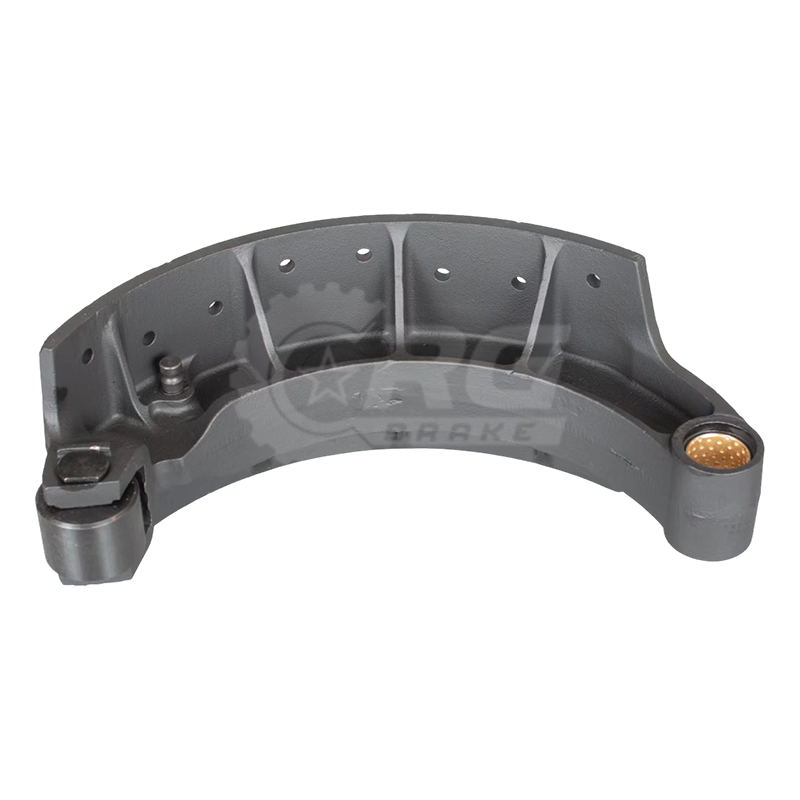
BENZ180 659 420 0619 Cast Brake Shoes, with precise dimensions of 410×180mm, is meticulously engineered to meet the rigorous demands of commercial and...
See Details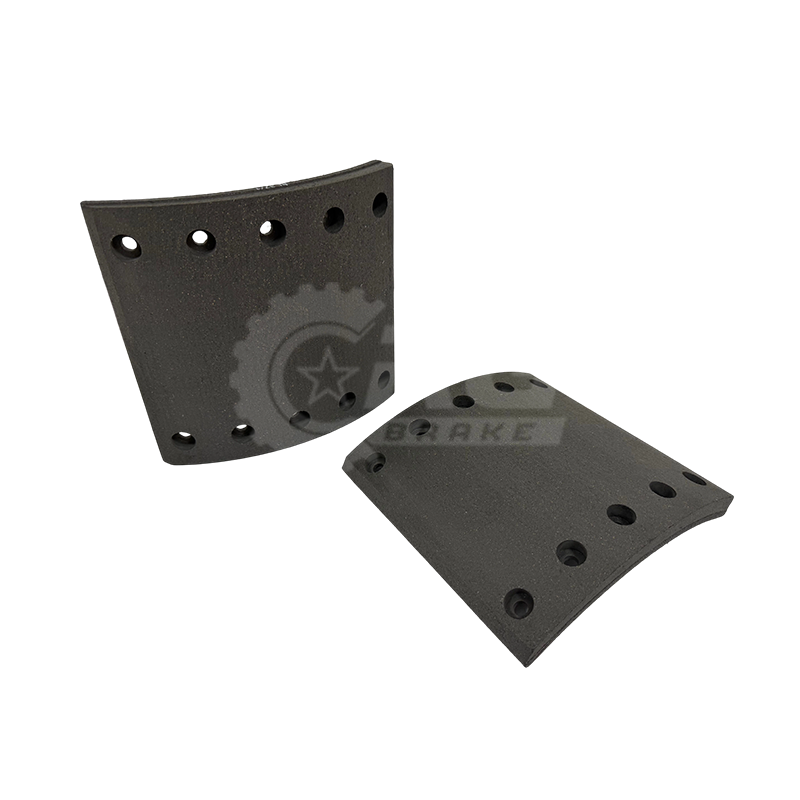
This 19032 European Brake Lining, with dimensions of 420mm in length and 180mm in width, is a premium, high-performance friction component meticulousl...
See Details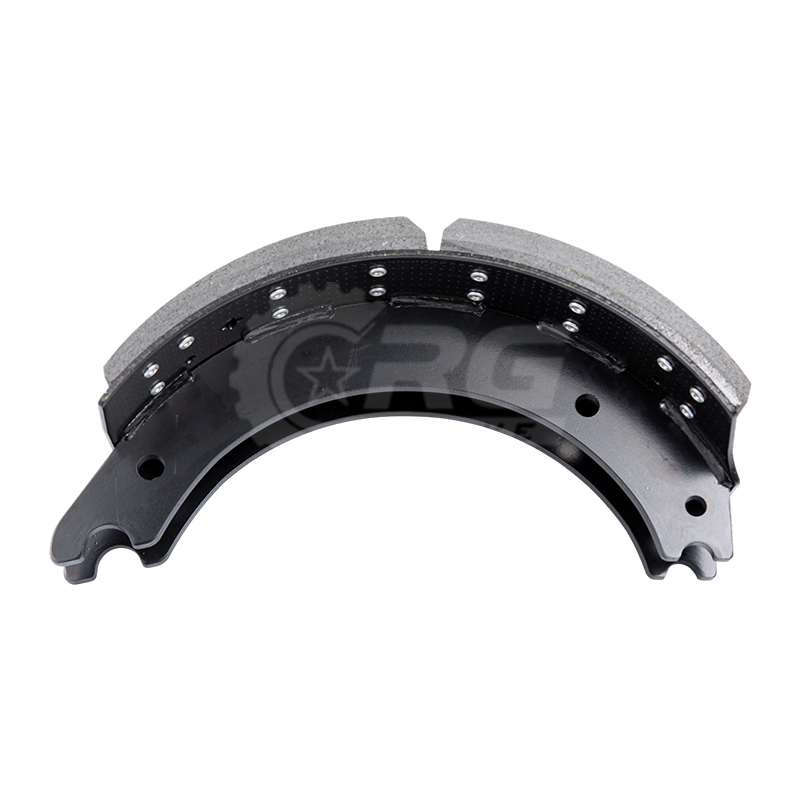
The 4707Q A19 3222 D2006 Lined Brake Shoes is specifically engineered to deliver exceptional heavy-duty braking performance, making it an ideal choice...
See Details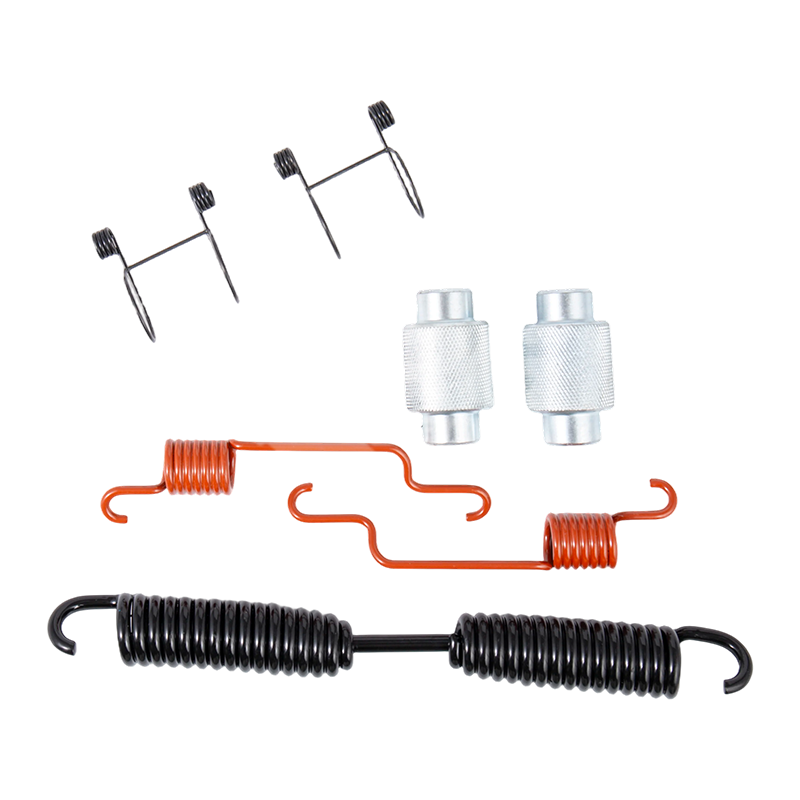
This hardware kit, model E-10244S with part number 4709ES2, is a premium-grade brake repair kit meticulously engineered for comprehensive vehicle brak...
See Details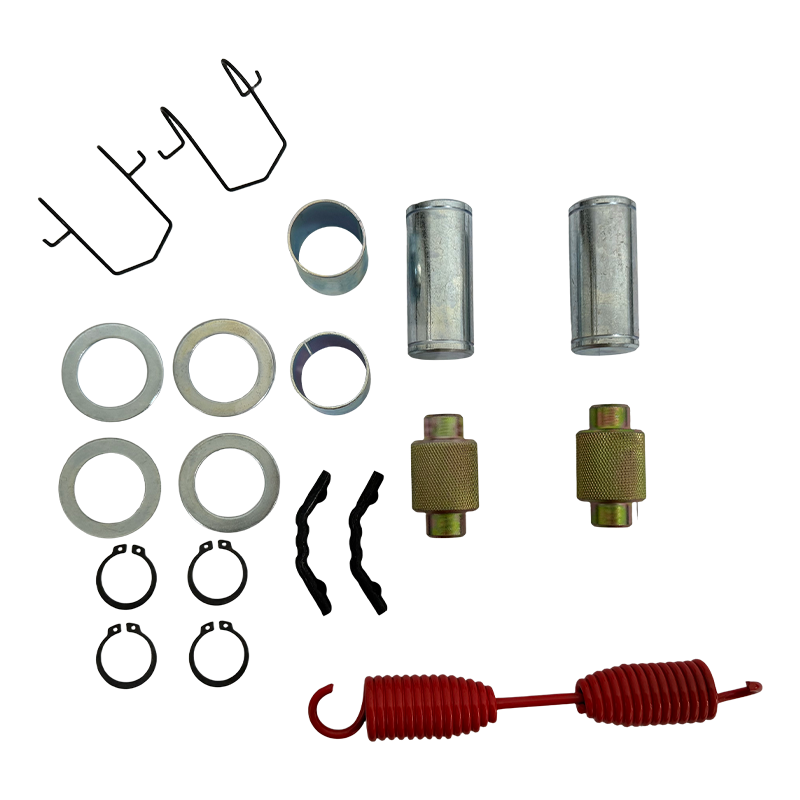
The 4515E E-1816SHD Hardware Kits, identified by the OEM Number E-1816SHD, represents a high-quality and comprehensive hardware set meticulously engin...
See Details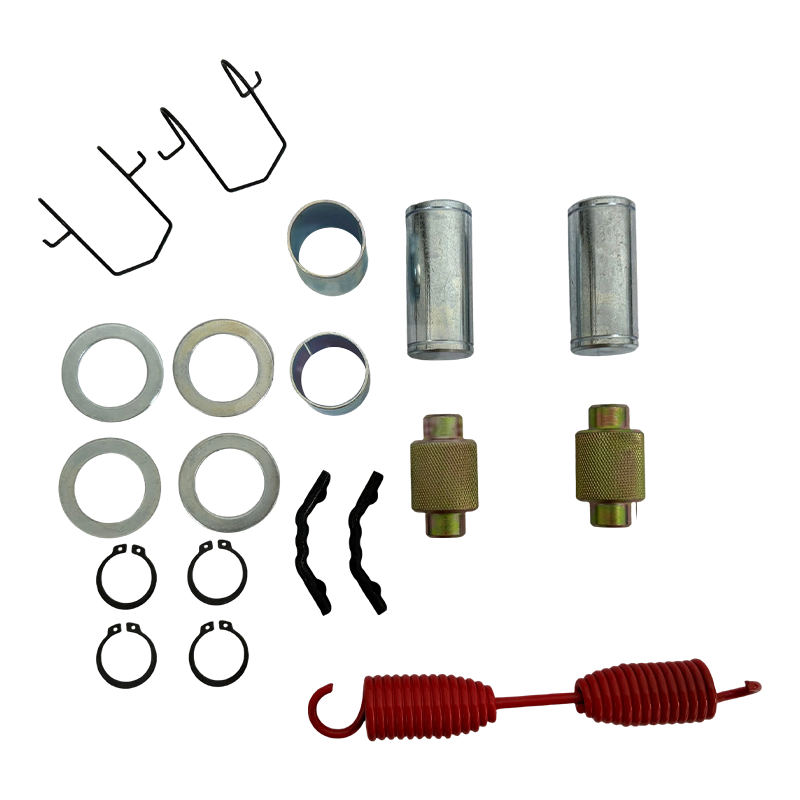
BPW NEW Brake Repair Kit represents a state-of-the-art, precision-engineered hardware solution specifically designed for the high-performance maintena...
See DetailsGet a Free (Customized) Quote

derek@crgbrake.com
vicky@crgbrake.com

 OUR Product
What’s News
Copyright © Zhejiang Courage Auto Parts Co., Ltd. All Rights
Reserved
 Commercial Vehicles CRG Brake Parts Manufacturers