

 English
  中文简体
中文简体 

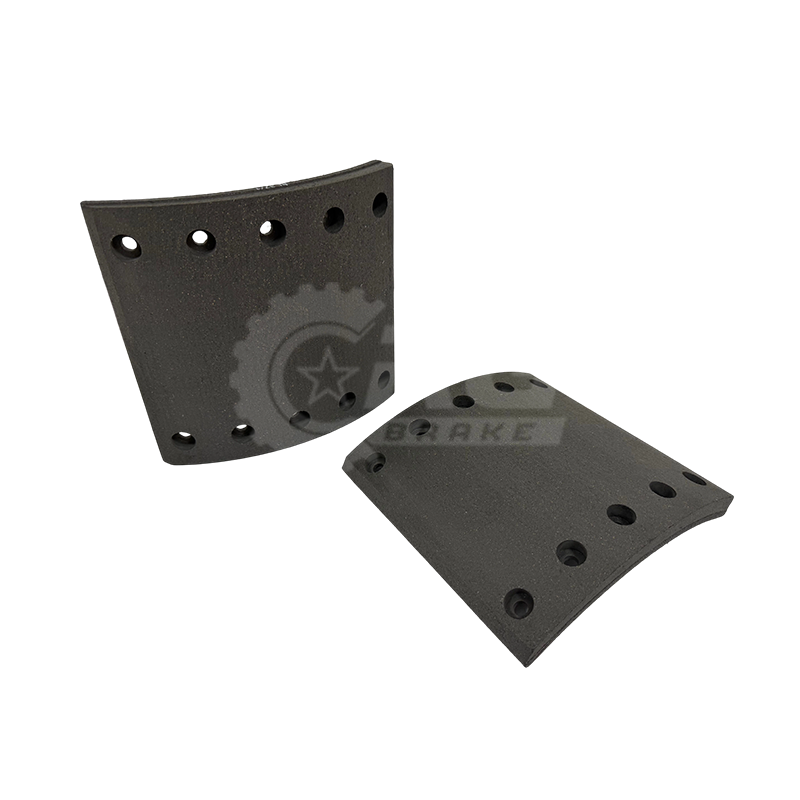

Optimizing Brake Lining Performance for European Standards
Brake linings designed for the European market must comply with strict E-mark certification requirements. This involves rigorous testing for friction coefficient stability, wear resistance, and thermal durability. At CRG Brake, we focus on materials that maintain consistent friction under varying loads, ensuring compliance with EU safety mandates.
Impact of Material Composition on Commercial Vehicle Braking
The composition of brake linings affects both performance and longevity. European-style brake linings often use a combination of high-friction fibers, resins, and fillers optimized for wet and dry braking conditions. From our perspective at CRG Brake, selecting the right formulation ensures minimal brake fade and extended service life in heavy-duty vehicles.
Heat Dissipation and Wear Rate
Efficient heat dissipation reduces the risk of glazing and uneven wear. We focus on linings that maintain structural integrity even under prolonged high-temperature operations, improving safety and reducing maintenance frequency.
Brake Lining Performance Testing Procedures
European compliance requires multi-stage testing, including:
- Coefficient of friction consistency tests under varied loads.
- High-temperature endurance tests to assess thermal fade.
- Wear pattern analysis to ensure uniform contact and longevity.
At CRG Brake, we ensure our products undergo these procedures to guarantee reliable braking performance for commercial vehicles operating across Europe.
Influence of Brake Shoe Assembly on Lining Efficiency
Proper brake shoe alignment and assembly directly impact the effectiveness of brake linings. Misalignment can lead to uneven wear, noise, and reduced stopping power. From our hands-on experience at CRG Brake, precision assembly paired with high-quality linings ensures consistent braking under heavy load conditions.
Performance Comparison: European vs. General Brake Linings
| Property | European-style Linings | General Linings |
|---|---|---|
| Coefficient of Friction | Stable under 0.35-0.40 | Variable 0.25-0.40 |
| Wear Rate | Low & uniform | Higher & inconsistent |
| Thermal Resistance | High temperature tolerance | Moderate |
| Noise Levels | Low noise design | Variable, often higher |
I consistently recommend using certified European-style linings from CRG Brake for fleets to ensure predictable and safe braking performance.
Maintenance Strategies for Heavy-Duty Brake Linings
Regular inspection and maintenance of european brake linings are critical to prolong service life and maintain performance:
- Check for uneven wear and replace worn components promptly.
- Monitor friction material thickness to prevent brake failure.
- Ensure assemblies are clean and free of oil or contaminants that reduce friction.
- Schedule periodic thermal performance checks under simulated load conditions.
From our experience at CRG Brake, a disciplined maintenance routine significantly improves both safety and cost-efficiency in commercial vehicle operations.


 OUR Product
