

 English
  中文简体
中文简体 

4707Q
This 4707Q A19 3222 D2006 American Brake Shoes is a premium, heavy-duty replacement component specifically engineered for commercial vehicle braking s...
See Details
Content
Choosing automotive friction linings is not about picking the cheapest strip off a shelf. It is a specification decision linked to brake shoe geometry, vehicle weight, and operating temperature. Every time a heavy-duty truck or trailer makes repeated stops on a long descent, the friction lining is the interface that converts kinetic energy into heat. If the lining cannot hold its friction coefficient through that thermal load, the brake fades and stopping distance grows.
For fleet managers, workshop technicians, and parts buyers, the practical question is how to identify the right lining for a given vehicle and avoid premature wear, drum scoring, or safety failure. This article explains the underlying material technology, performance grades, and the key differences between American and European lining platforms.
An automotive friction lining is a curved, wear-resistant composite material attached to the outer face of a brake shoe. When the brake is applied, hydraulic or pneumatic pressure pushes the shoe outward and presses the lining against the inner surface of the brake drum. Unlike a disc brake pad, which acts on a flat rotor, a drum brake lining runs against a cylindrical surface, so its radius, profile, and mounting method must match the exact shoe platform.
Heavy trucks and trailers still rely heavily on drum brakes, particularly on trailer axles and in North American fleets. The friction lining on those anchors is the consumable part that absorbs the wear, protects the more expensive brake shoe and drum, and ultimately determines braking performance. A lining with the wrong radius or hole pattern will not seat correctly, which leads to uneven contact, vibration, and reduced braking effect.
The raw material blend inside an automotive friction lining governs most of its behavior. The base binder is usually a thermoset phenolic resin that holds the structure together and gives the lining dimensional stability at elevated temperatures. Reinforcing fibers such as glass, aramid, steel, or mineral fibers provide mechanical strength, while fillers and friction modifiers like graphite, brass particles, or ceramic powders adjust the friction coefficient, wear rate, and noise characteristics.
Although a buyer rarely inspects the mixing recipe, the consequences of that formulation show up in three areas:
The manufacturing process matters just as much. Typical production involves blending the powdered and fibrous ingredients, preforming the mixture into a rough shape, hot-pressing it onto reinforcing elements, curing the phenolic resin, and grinding the part to a precise thickness. If the curing step is rushed, volatile compounds stay trapped inside the material and may cause early fading or even delamination during heavy braking.
For heavy-duty applications, consistent batch quality is not optional. The same part number must produce the same friction curve every time, otherwise a workshop cannot predict stopping distance. For this reason, a factory with internal testing equipment and a controlled production line is a safer source than a trader who does not control the formulation.
The central performance parameter for any friction lining is its coefficient of friction, commonly expressed as μ or by a letter grade. In the traditional grading system, a designation such as F describes a nominal dynamic friction level that is stable enough for most heavy-duty drum brake duties. A full grade like FF indicates that the lining holds that friction band under normal operating temperatures and again under higher thermal loads, which is why FF-grade linings are widely used in commercial vehicles.
Buyers sometimes see application-specific designations that include a number and the grade, for example 23K FF. The K normally refers to an application-related condition or kinetic work rating used by the manufacturer to define the operating envelope. What it signals in practical terms is that the lining has been designed to convert kinetic energy into heat while staying inside a stable friction window, without drifting into fade territory when the drum gets hot.
More useful than the number on the box is the temperature behavior. A good heavy-duty lining retains acceptable friction at normal operating temperatures and delays fade until well beyond the condition generated during continuous mountain braking. It also needs to recover quickly after cooling, because brake fade becomes far more dangerous when a driver reaches the next descent before the friction material has regained its original performance.
The same friction compound behaves badly in service if the lining profile does not match the brake shoe. That is why linings are catalogued by platform and shoe model, and why the part number should always be confirmed against the actual shoe profile on the vehicle.
American-type friction linings are commonly used on heavy-duty truck and trailer brake shoes built to Meritor, Eaton, or similar standards. Popular references include flat or slightly curved linings in the 4515 and 4707 series, which are selected based on shoe width, thickness, and riveting or bonding requirements. These linings often arrive as bare strips for shop use, with the option of factory-applied slotting or chamfering. The same linings are also available preassembled onto lined brake shoes when a fleet prefers zero-downtime installation.
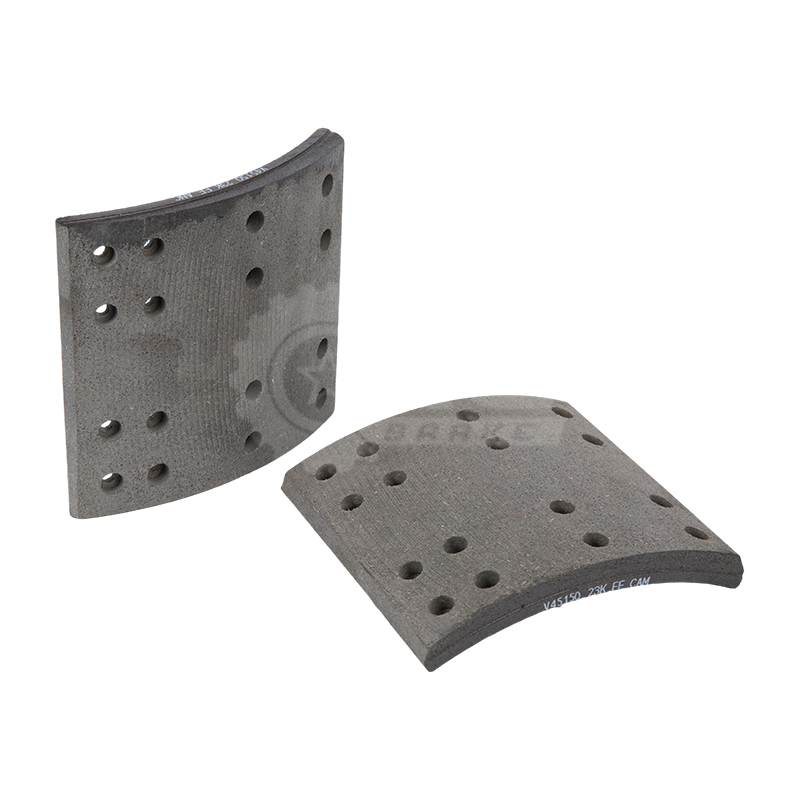 FMSI 4515 American Brake Lining for Heavy-Duty TrucksA standard 16.5 x 7 inch American-type lining for Meritor and similar axles, cross-referenced with WVA 19036/19037. It resists heat fade and minimizes noise, making it a practical replacement for long-haul or rugged service.View Product →
 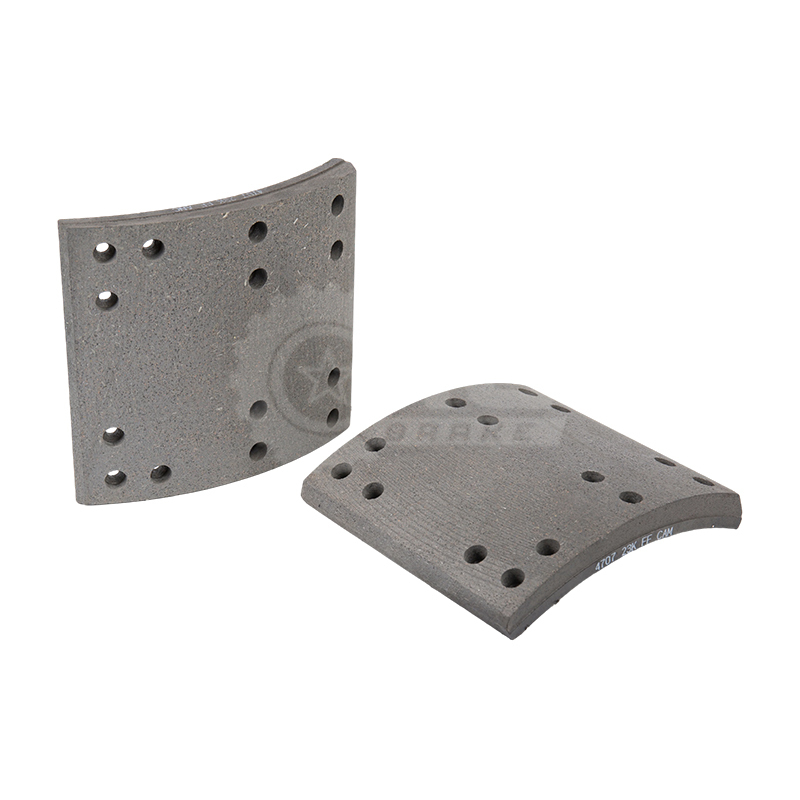 FMSI 4707 American Brake Lining for Meritor Axle SystemsThis 16.5 x 7 inch lining meets FMSI 4707 and WVA 19030, formulated for Meritor axles. It offers consistent friction and fade resistance, suited for urban delivery and long-haul fleets seeking dependable braking.View Product →
European-type brake linings follow the locating and contour requirements of European axles such as BPW, SAF, Volvo, and similar platforms. These linings often have a more complex profile than American bare strips because the shoe may use locating tabs, additional bonding steps, or specific edge chamfers that sit flush against the drum. The 19032 series is a typical reference for heavy-duty European applications and must be matched to the correct axle or shoe model to avoid fitting problems.
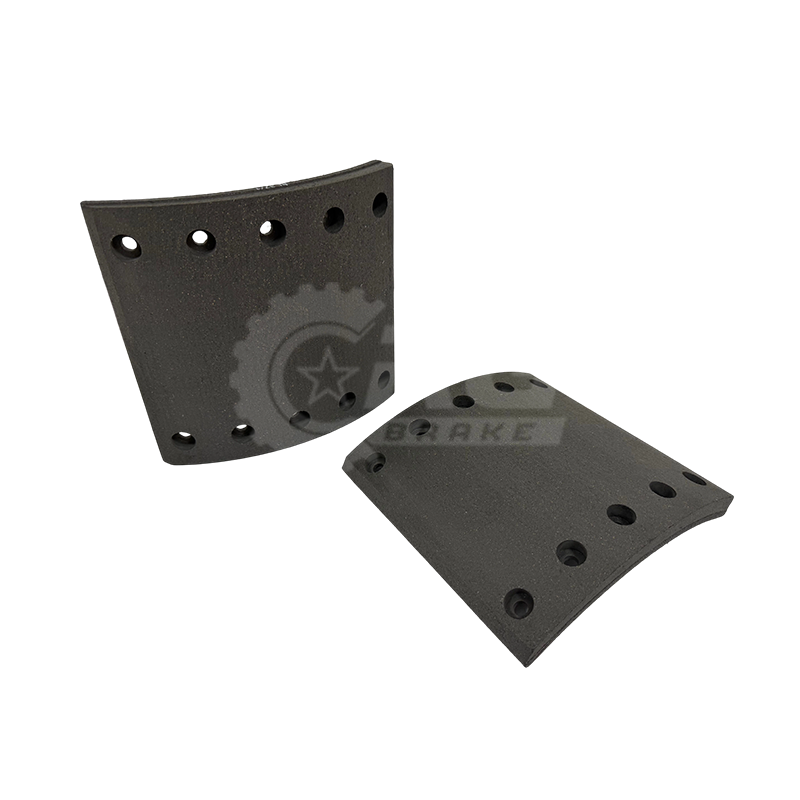 WVA 19032 European Brake Lining for BPW Axle AssembliesA 420 x 180 mm European-type lining for BPW systems, identified by WVA 19032 and FMSI BPW180. Its precise profile and thermal stability help ensure proper fit and reliable braking in mixed heavy-duty fleets.View Product →
For organizations that serve mixed fleets, understanding these different platforms prevents costly ordering errors:
| Comparison Point | American Type Example | European Type Example |
|---|---|---|
| Typical lining references | 4515, 4707 | 19032 |
| Common brake shoe platforms | Meritor-, Eaton-style shoes | BPW, SAF, Volvo-style shoes |
| Fitting technique | Riveted or bonded | Bonded or profiled with locating tabs |
| Common procurement approach | Bare linings or lined shoes | Lined shoes or custom-bonded sets |
Once the friction lining type is settled, the next decision is the level of assembly. A workshop can buy bare automotive friction linings and handle the riveting or bonding itself, which gives flexibility and often a lower part cost. But that approach requires drilling equipment, skilled labour, and careful quality control at every reline.
Many fleets prefer lined brake shoes because the lining is bonded or riveted at the factory, which removes installation errors and creates a consistent contact surface. For even faster turnarounds, a lined brake shoe with a hardware kit includes the springs, pins, adjuster components, and mounting hardware in one box. The technician simply removes the old shoe assembly and mounts the complete new unit. The trade-off is that assembled versions cost more to purchase and ship, and they require accurate axle and shoe identification before ordering.
From a procurement perspective, the reliable route is to define the vehicle axle model first, check the old shoe type and lining part number, and then choose between bare linings or a complete assembly based on the workshop’s labour capacity.
The most common mistakes in buying heavy-duty friction linings are ignoring the shoe profile, overspecifying friction level, and purchasing from a supplier that cannot document the formula. Trucks that share the same axle model can still differ in drum diameter, lining thickness, and hole pattern, so the data behind the part number matters more than a generic description.
When evaluating a supplier, ask for technical information that states the friction grade, recommended temperature range, and suitable brake shoe reference. Check whether the supplier supports custom drilling, slotting, chamfering, or OEM labelling. Prefer a manufacturer that controls the full process from friction formulation to structural assembly, because that is the only way to guarantee batch consistency.
Our team at CRG has spent more than two decades developing heavy-duty brake products, including friction formulation and brake shoe engineering for commercial fleets. As a factory, we produce American and European friction linings, lined brake shoes, and complete hardware kits under one facility, with internal testing behind every compound we release. For vehicle-specific orders, send the axle model and lining part number to our engineering team for confirmation. A direct factory inquiry will clarify drilling options, stock availability, and test documentation before you commit to a full batch.
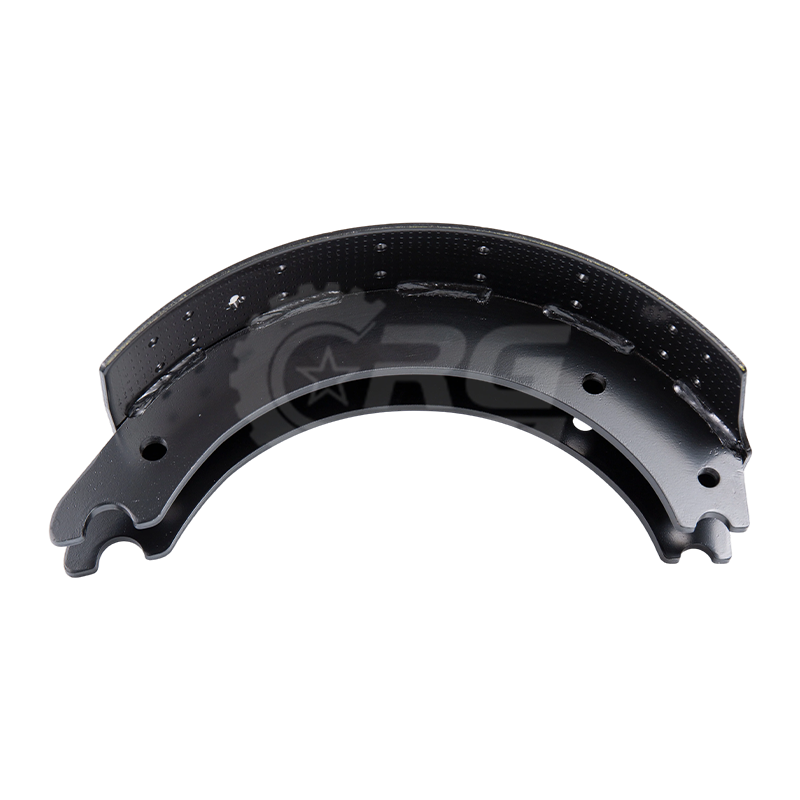
This 4707Q A19 3222 D2006 American Brake Shoes is a premium, heavy-duty replacement component specifically engineered for commercial vehicle braking s...
See Details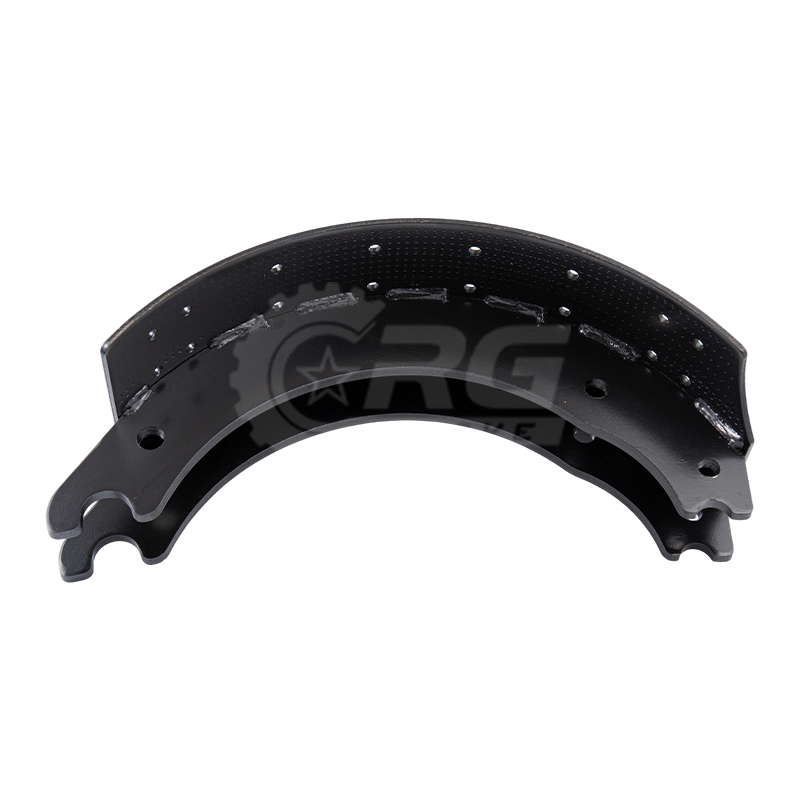
4515Q A91 3222 S1293 American Brake Shoes is a premium, high-performance replacement component meticulously engineered for use in heavy-duty braking s...
See Details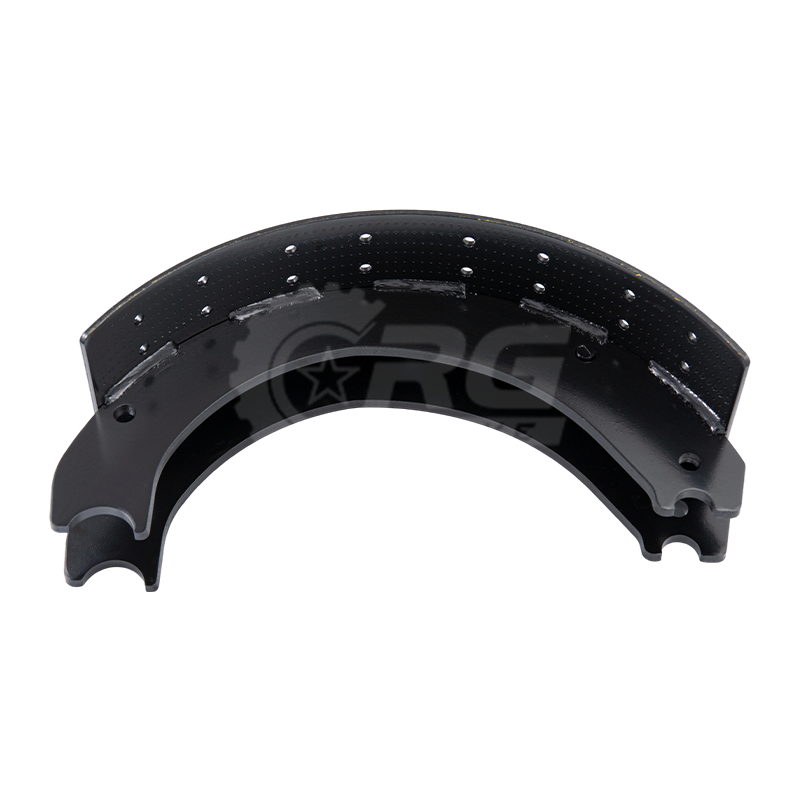
4709ES2 EATON 819707 American Brake Shoes is a high-performance, heavy-duty braking component meticulously engineered to meet the stringent requiremen...
See Details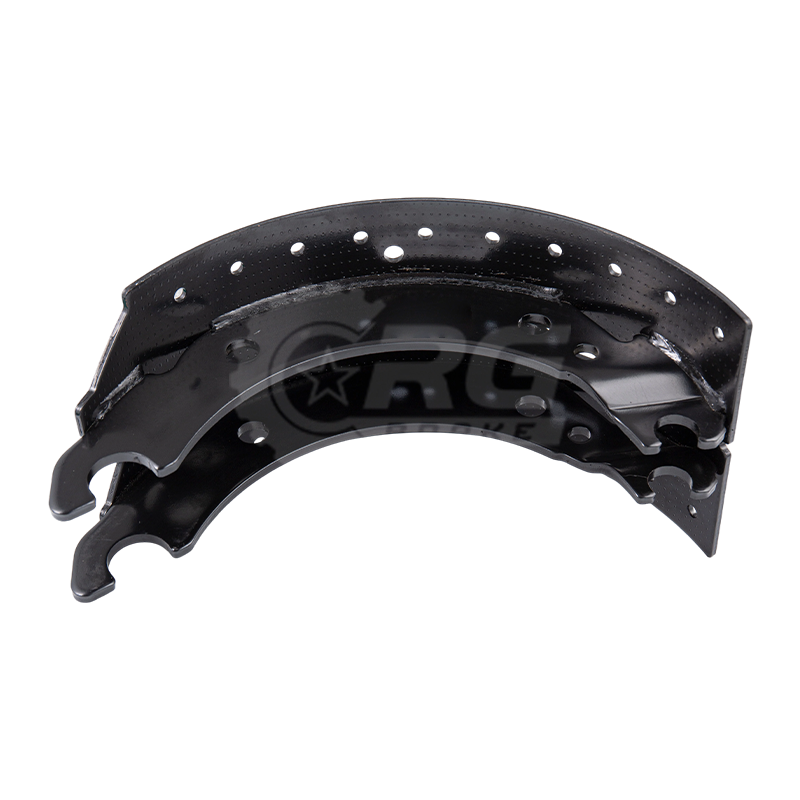
The BPW200 05.091.27.83.0 European Brake Shoes, with a size specification of 420×200mm, is a high-performance aftermarket replacement component that i...
See Details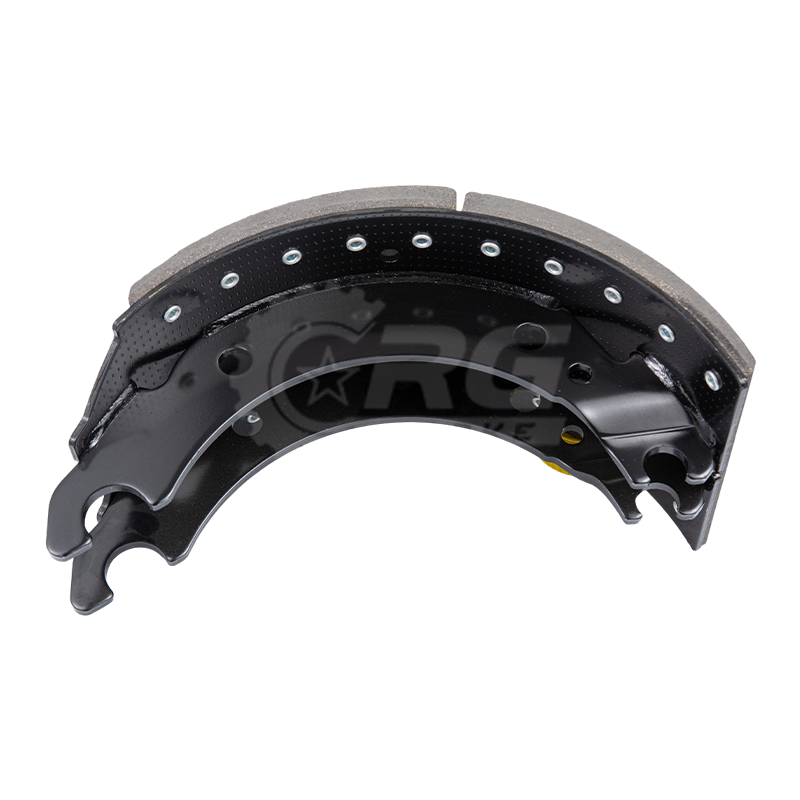
BPW200 05.091.27.83.0 Lined Brake Shoes is a premium, high-performance braking component meticulously engineered for use in commercial vehicle braking...
See Details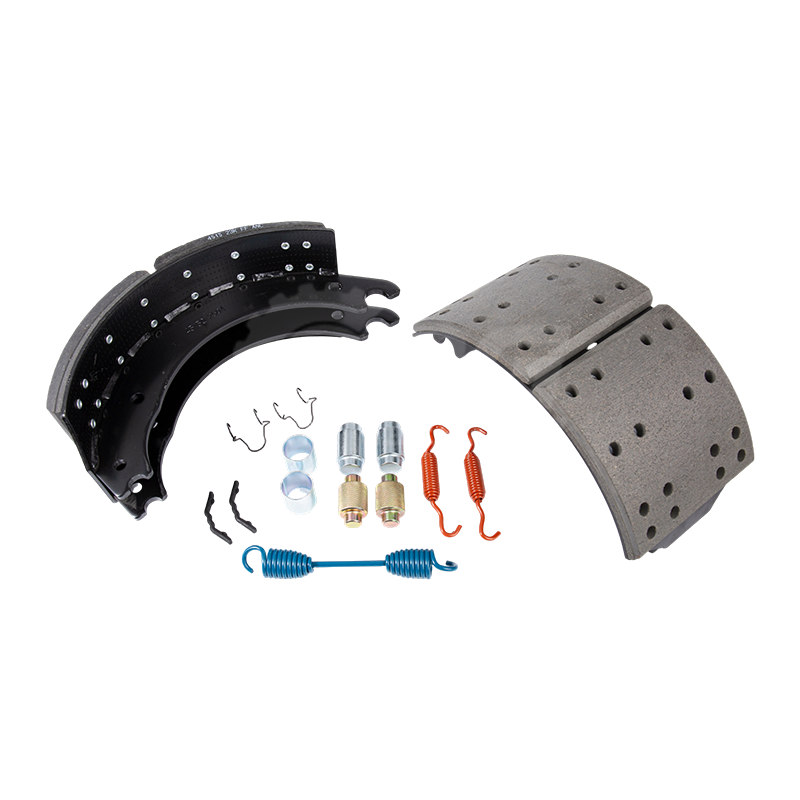
The 4515Q A91 3222 S1293 Lined Brake Shoes With Hardware Kits are expertly engineered to deliver exceptional braking performance and durability. Measu...
See Details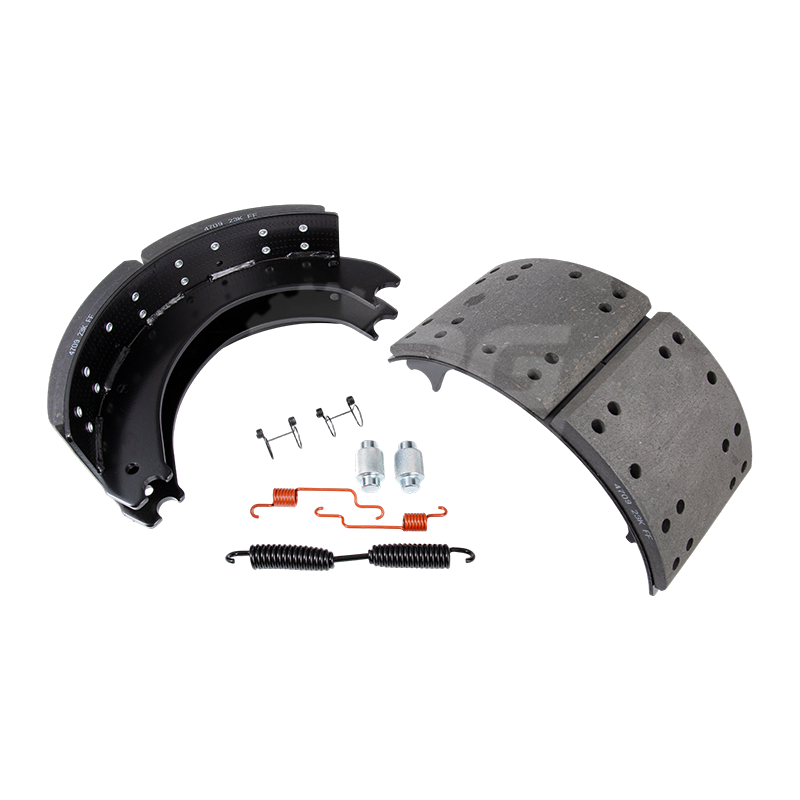
These 4709ES2 EATON 819707 Lined Brake Shoes With Hardware Kits measure 16.5 inches by 7 inches, specifically engineered to fit vehicles that require ...
See Details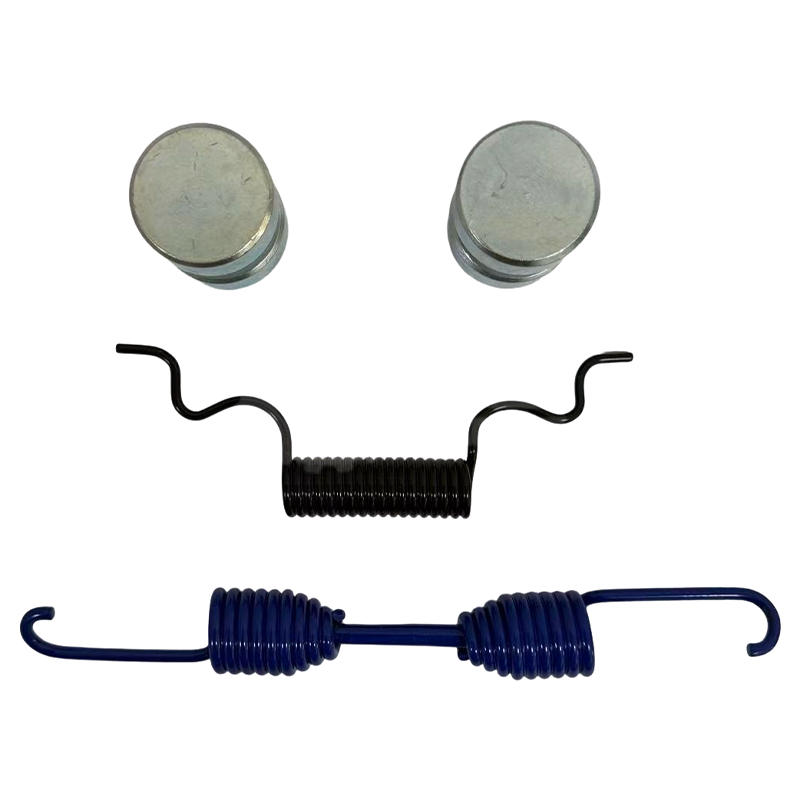
The1308E E-5139 Hardware Kits (Part No. 1308E, OEM No. E-5139) is meticulously designed to provide an effective and comprehensive solution for the res...
See Details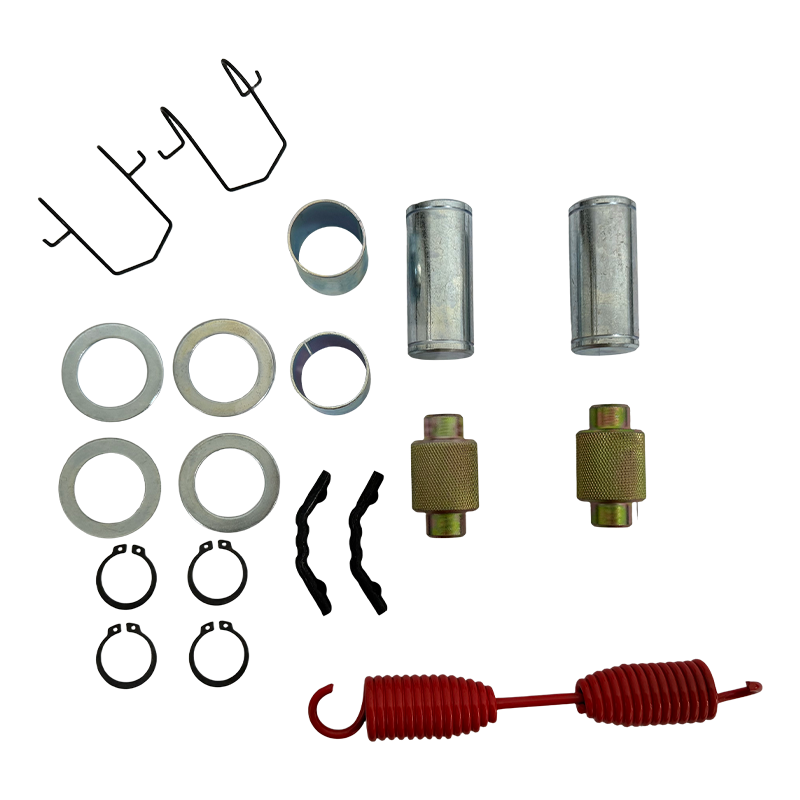
The 4515E E-1816SHD Hardware Kits, identified by the OEM Number E-1816SHD, represents a high-quality and comprehensive hardware set meticulously engin...
See Details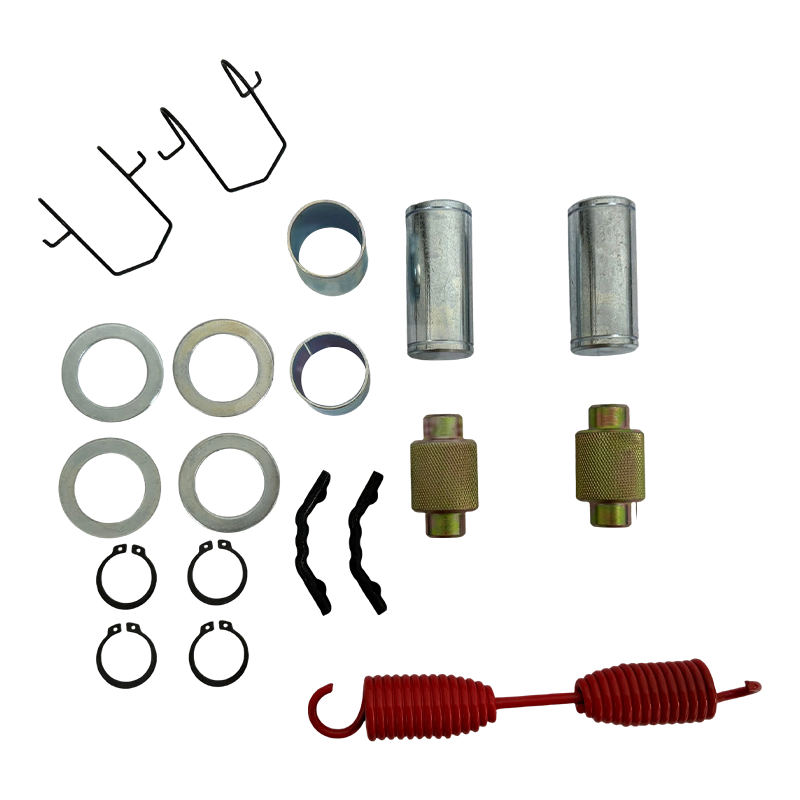
BPW NEW Brake Repair Kit represents a state-of-the-art, precision-engineered hardware solution specifically designed for the high-performance maintena...
See DetailsGet a Free (Customized) Quote

derek@crgbrake.com
vicky@crgbrake.com

 OUR Product
What’s News
Copyright © Zhejiang Courage Auto Parts Co., Ltd. All Rights
Reserved
 Commercial Vehicles CRG Brake Parts Manufacturers