

 English
  中文简体
中文简体 

4707Q
This 4707Q A19 3222 D2006 American Brake Shoes is a premium, heavy-duty replacement component specifically engineered for commercial vehicle braking s...
See Details
Content
When a loaded tractor-trailer descends a mountain pass, the brake linings are the hardest-working components in the braking system. They convert the vehicle's kinetic energy into heat, press against the drum, and slowly wear away until replacement becomes a safety decision. In a fleet, the choice of truck brake linings has a direct effect on stopping distance, brake drum life, maintenance intervals, and the total cost per mile.
Brake linings are the friction material mounted on brake shoes. When the driver applies the brakes, compressed air pushes the brake chamber, which turns the slack adjuster and S-cam, forcing the shoes outward. The linings contact the rotating drum, and the resulting friction slows the wheel while creating intense heat. Over time, heat cycling and friction gradually erode the lining material.
Because the lining is the sacrificial layer, its material quality determines how evenly it wears, how much heat it can absorb without fading, and how it interacts with the drum. A low-priced lining may look attractive at the parts counter, but it can cause cracked drums, uneven wear, and longer stopping distances. That trade-off is why fleets need a selection process based on more than price. A lining that overheats can cause brake fade, which is especially dangerous on downhill runs.
Every fleet operates differently, so a single lining formula does not work everywhere. When evaluating truck brake linings, we recommend looking at these factors before you finalize a purchase order.
In North America, most heavy-duty linings carry an edge code, such as FF or GG. The two letters indicate the coefficient of friction at two temperature conditions. A letter further in the alphabet represents a higher friction range. The code also identifies the manufacturer, but it does not tell you everything. Two linings with the same edge code can have very different wear rates, drum-friendliness, and resistance to brake fade.
Use the edge code as a starting point, not the final answer. We use it to narrow candidates, then validate the material behavior in the actual duty cycle. For a detailed walkthrough of the safety checks that matter, see our guide to choosing brake linings for safety.
A truck that climbs steep grades with a full load needs a lining with high heat resistance and stable friction at elevated temperatures. A delivery truck that operates in city traffic needs fast response and good low-temperature performance. A highway tractor spending most of its time at speed needs a wear-resistant formula that will not fade during repeated stops.
If your fleet covers a mix of routes, consider standardizing across a proven formula or using different linings for different vehicle groups. This is one situation where a manufacturer with real formulation experience can help you match the material to the application instead of simply selling a generic part. For fleets that operate in mountainous regions, stopping power at high temperature is more critical than maximum cold friction.
Lining life is measured by how many miles the friction material lasts, but the way it wears is just as important. Some linings wear smoothly and keep the drum surface clean; others can score the drum, cause hot spots, or leave uneven deposits. These problems increase maintenance labor and replacement part costs.
During preventive maintenance, check lining thickness at both ends of the shoe, look for cracks or delamination, and measure drum diameter. If you see an unusual wear pattern, review the lining choice before replacing with the same specification. Always compare linings from different suppliers under the same test conditions; otherwise the wear numbers are difficult to trust.
Lining performance depends on precise mixing, curing, and finishing. A reputable supplier should be able to show batch traceability, inspect dimensions, and test friction behavior. In our factory, we treat every batch through internal inspections and keep the same process standards for OE supply and aftermarket orders.
Truck brake linings are not interchangeable across every axle. There are important dimensional and structural differences between linings designed for American and European brake shoe systems.
American-style linings are cut for the longer, wider brake shoes used on many North American heavy-duty trucks and trailers. Common sizes include 4515 and 4707. If you need a direct replacement for these platforms, a product such as our 4515 American brake linings is manufactured to match the original shoe profile and bolt-hole layout.
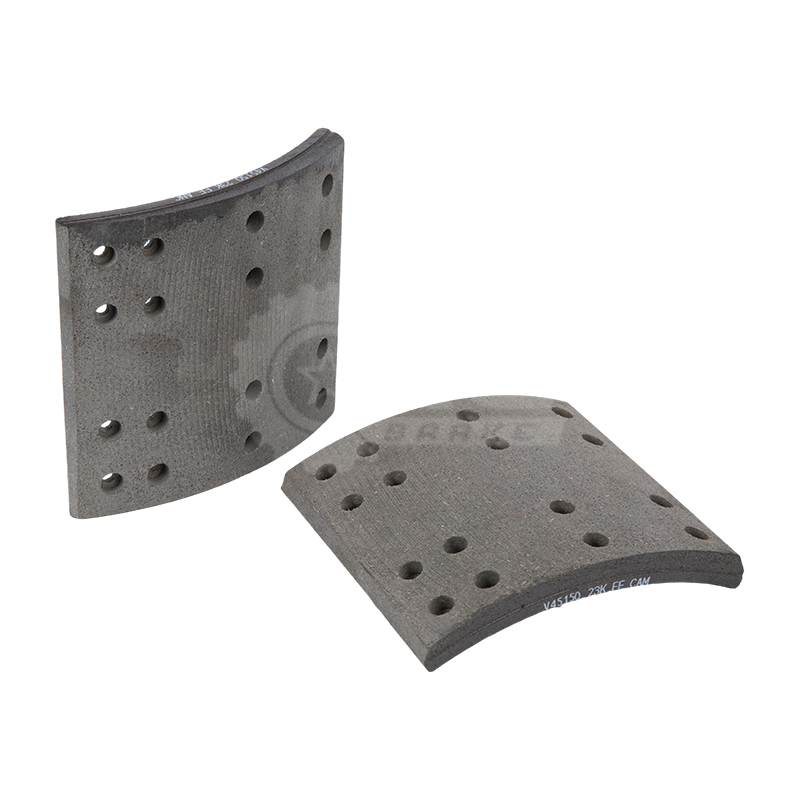 4515 American Brake Linings Manufacturers, custom CompanyCRG Brake - Custom 4515 American Brake Linings Manufacturers and Company is China,, FMSI 4515 Brake Lining WVA 19036/7 Width 177.8m...View Product →
European-style linings follow different shoe geometry and mounting requirements, often used on European trailer axles and trucks. A typical example is the 19032 pattern. For that category, our 19032 European brake linings provide a comparable friction material in the correct dimensions.
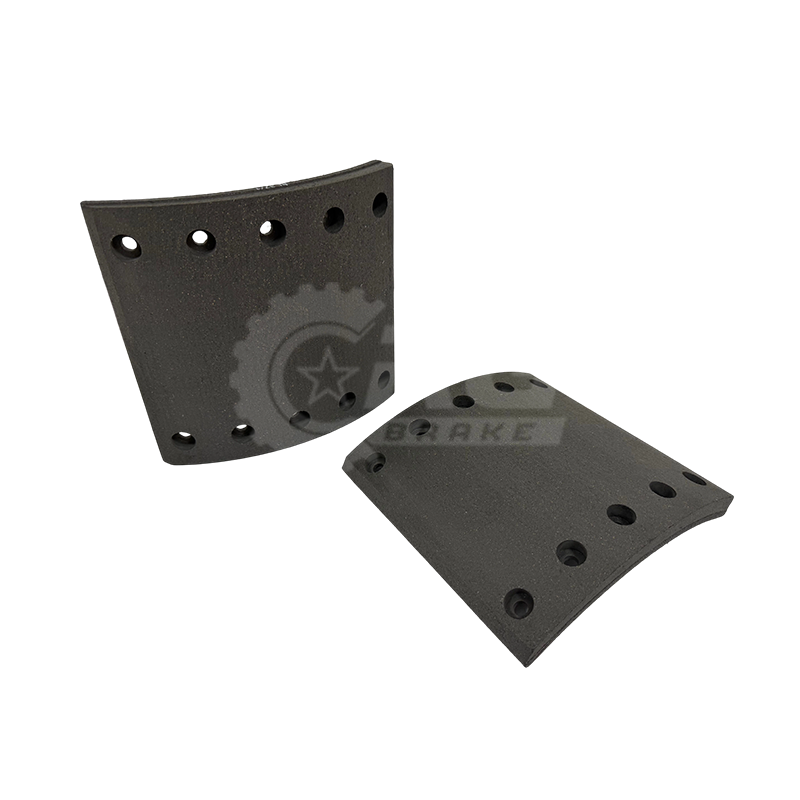 19032 European Brake Linings Manufacturers, custom CompanyCRG Brake - Custom 19032 European Brake Linings Manufacturers and Company is China,, FMSI BPW180 Brake Lining WVA 19032 Width 180mm...View Product →
The table below summarizes the main points to check when choosing between the two styles.
| Comparison Point | American-Style Linings | European-Style Linings |
|---|---|---|
| Typical application | North American truck and trailer axles | European truck and trailer axles |
| Common patterns | American standard patterns such as 4515 and 4707 | European standard patterns such as 19032 |
| Mounting | Riveted or bonded to American brake shoes | Riveted or bonded to European brake shoe profiles |
| Availability | Widely available in aftermarket networks | Often supplied through specialized manufacturers |
Brake linings can be installed on existing shoes, but many fleets now prefer lined brake shoes. These are brake shoes with the lining already attached, which eliminates alignment errors and speeds up the brake job. When the kit also includes the correct hardware, the entire assembly is ready for installation in one step.
For fleets that want to reduce downtime, a pre-assembled option such as our 4515Q lined brake shoes with hardware kit can be a dependable choice. The lining is attached under controlled conditions, and the hardware is matched to the same platform. This approach also simplifies inventory because you order one part number instead of separate linings, shoes, springs, and pins.
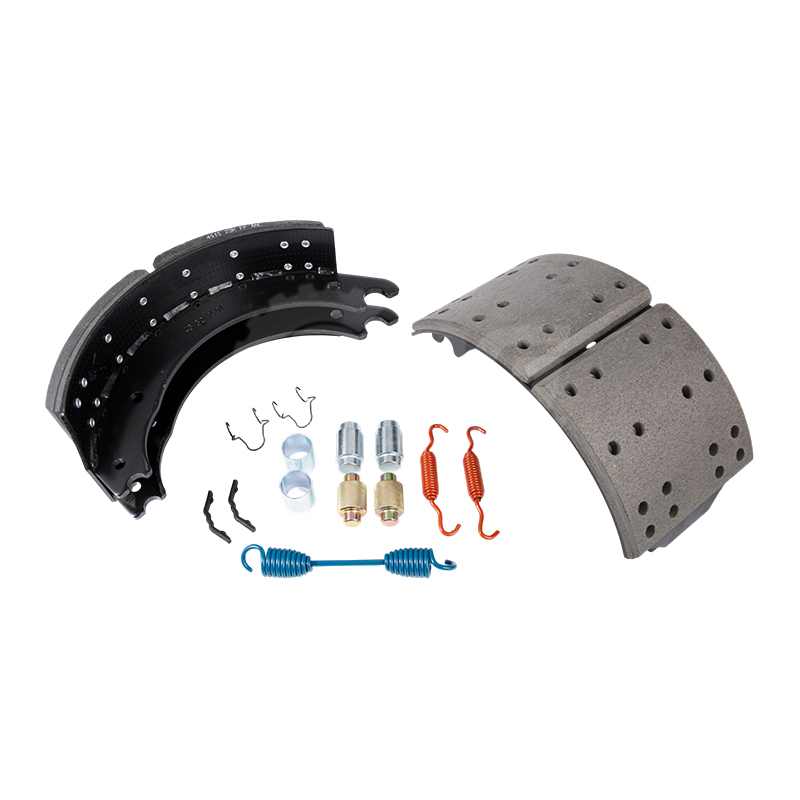 4515Q A91 3222 S1293 Lined Brake Shoes With Hardware Kits Manufacturers, custom CRG Brake - Custom 4515Q A91 3222 S1293 Lined Brake Shoes With Hardware Kits Manufacturers and Company is China,, Part No 4515QLined Br...View Product →
For vehicle manufacturers and large fleets, buying truck brake linings is not always a simple catalog selection. Some applications require a specific friction curve, different thickness, or a lining that performs better in a certain climate. In these cases, working directly with a factory can make the difference between a component that barely meets specifications and one that is tuned to the operating environment.
Our engineering team has more than 20 years of experience in brake shoe and lining manufacturing. We develop formulations, adjust structures, and run internal tests before releasing a product for production. If you are evaluating a supplier, ask about formulation capability, failure analysis, and how the factory handles non-standard requests. You can read more about our company background and engineering approach to see how we support OEM and custom projects. A manufacturer that can adapt the friction material to your specific operating conditions is a more valuable long-term partner than one that only sells standard parts.
The right truck brake linings balance friction, wear, drum compatibility, and application needs. Start with the edge code, then look deeper into the operating route, the lining's wear behavior, and the supplier's ability to deliver consistent quality. When the application is unusual or the maintenance cost is too high, talk to a manufacturer that has the engineering background to adjust the formula rather than simply replacing one generic lining with another.
Brake linings are a small part of the braking system by weight, but they carry a large share of the responsibility for safety. Choosing them carefully is one of the most cost-effective maintenance decisions a fleet can make.
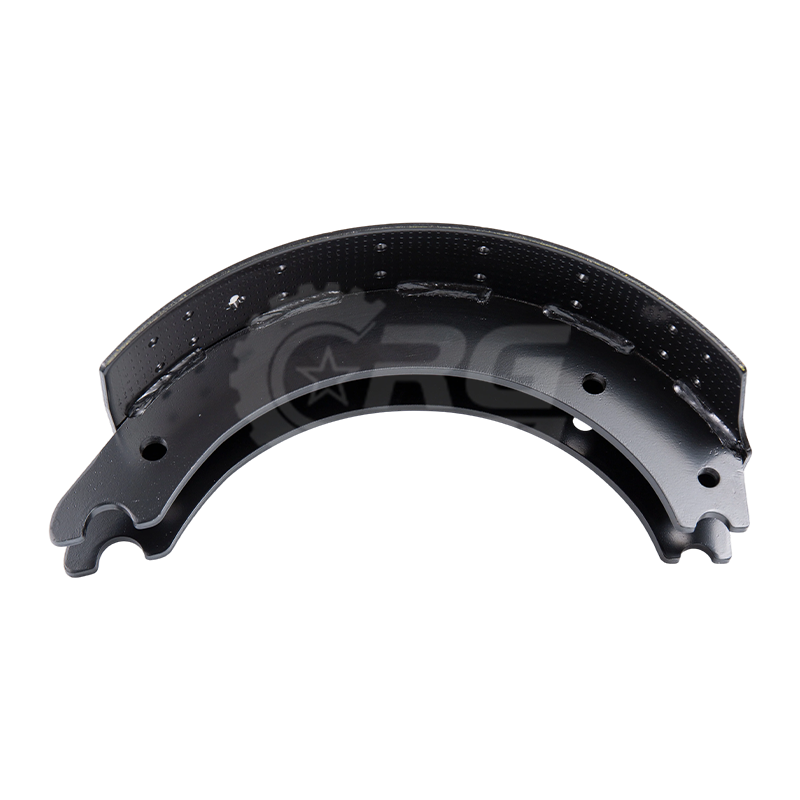
This 4707Q A19 3222 D2006 American Brake Shoes is a premium, heavy-duty replacement component specifically engineered for commercial vehicle braking s...
See Details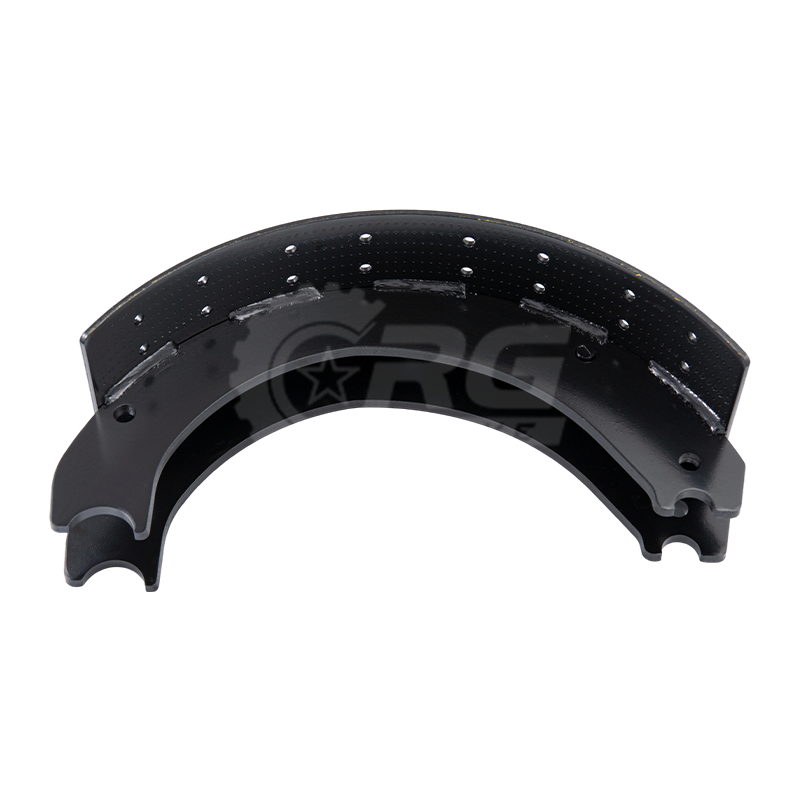
4709ES2 EATON 819707 American Brake Shoes is a high-performance, heavy-duty braking component meticulously engineered to meet the stringent requiremen...
See Details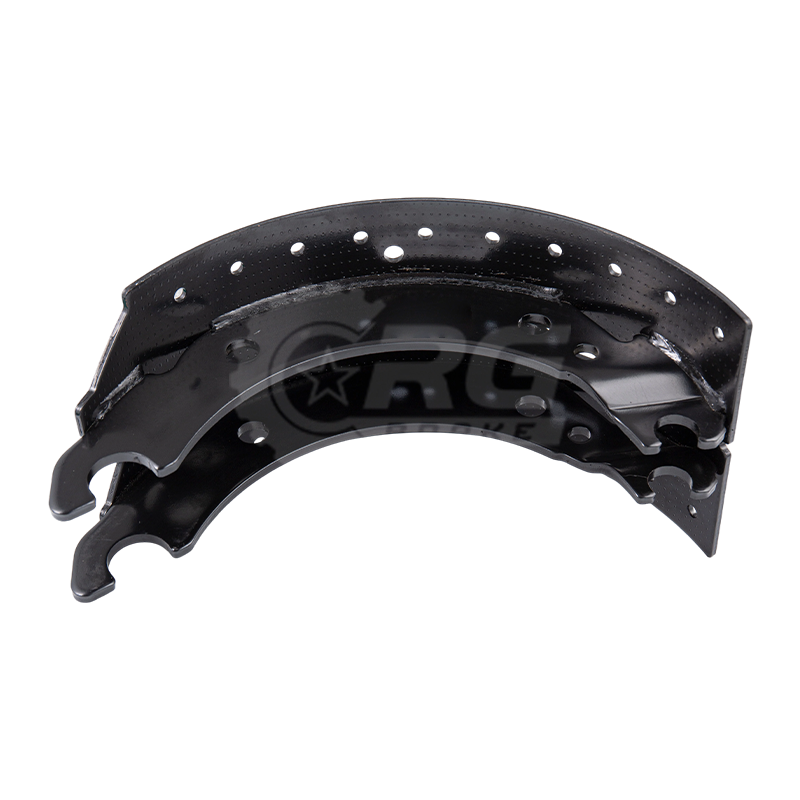
The BPW200 05.091.27.83.0 European Brake Shoes, with a size specification of 420×200mm, is a high-performance aftermarket replacement component that i...
See Details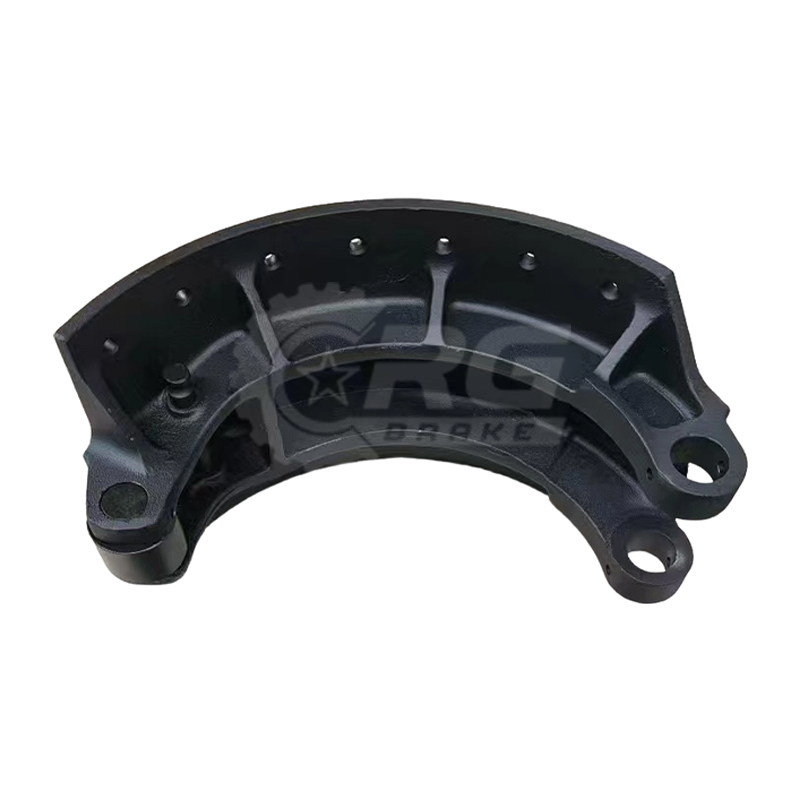
The VOLVO200 1137701 Cast Brake Shoes, with a dimension of 410×200 mm, is meticulously designed to fulfill the demanding performance and safety requir...
See Details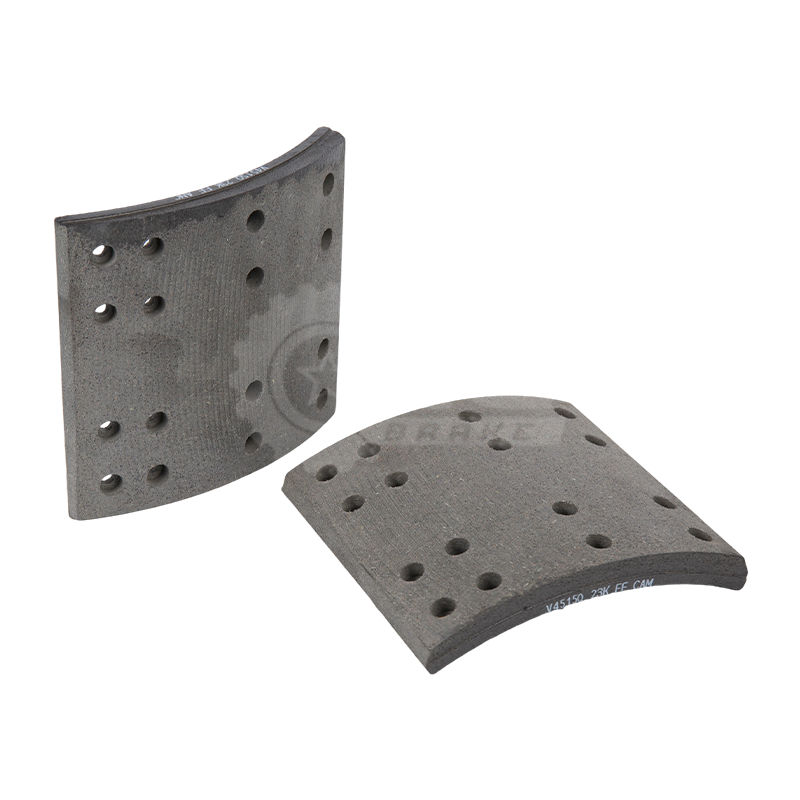
The 4515 American Brake Linings brake shoe is designed with a standard 16.5" x 7" dimension, which has been widely recognized as an optimal size for m...
See Details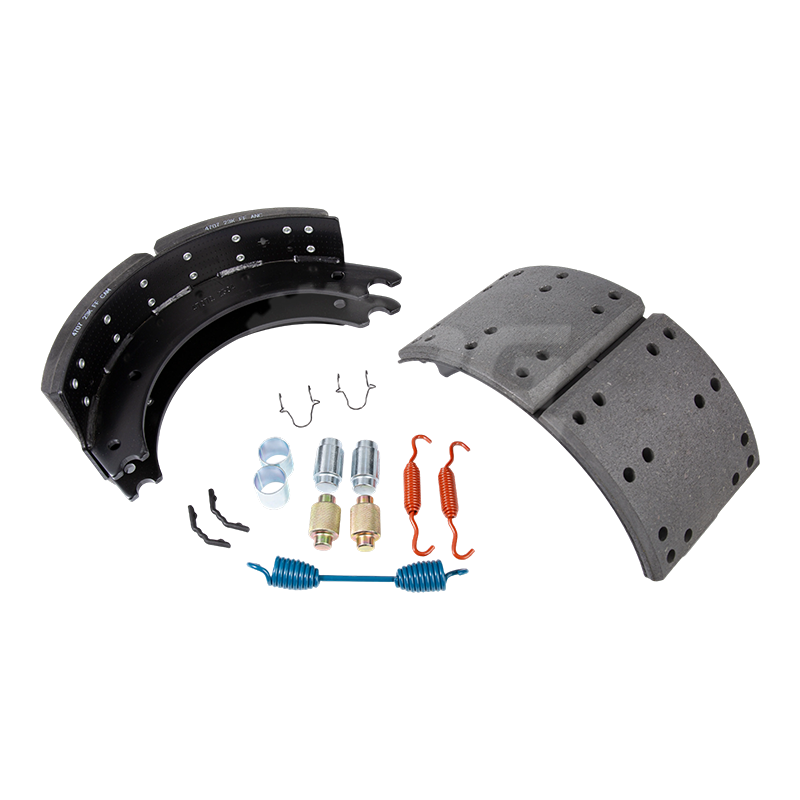
Our 4707Q A19 3222 D2006 Lined Brake Shoes With Hardware Kits are precision-engineered components measuring 16.5 inches in length and 7 inches in widt...
See Details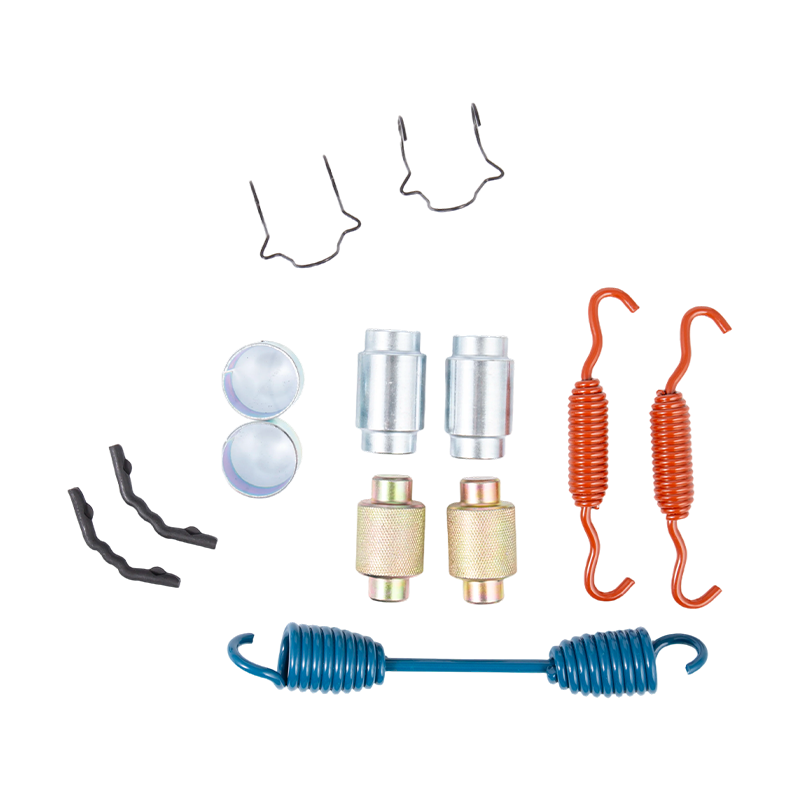
The 4515Q/4707Q E-2769SHD Hardware Kits is meticulously engineered specifically for use with the 4515Q and 4707Q vehicle models, targeting the essenti...
See Details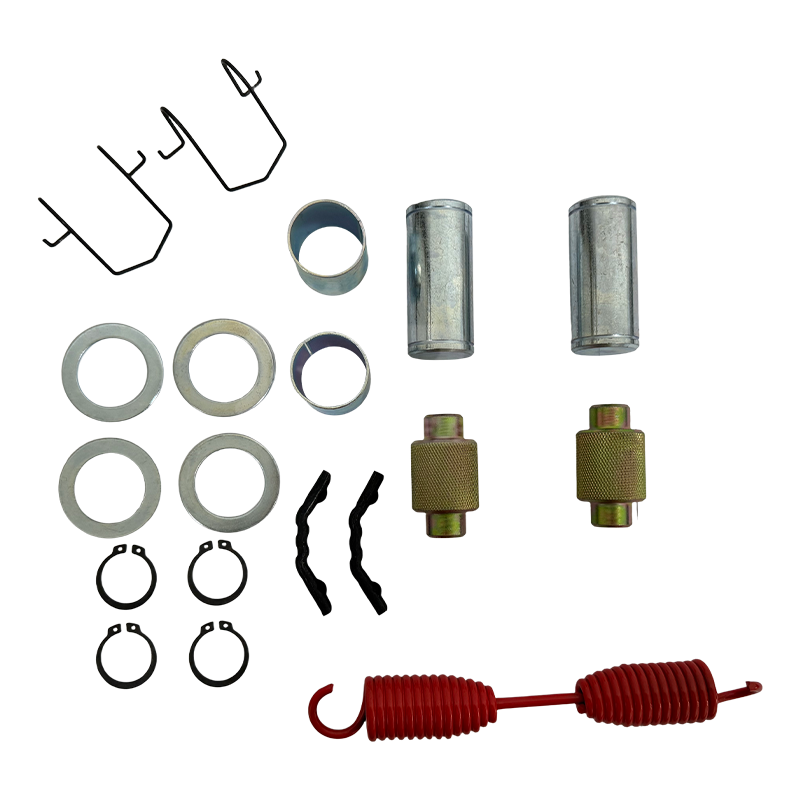
The 4515E E-1816SHD Hardware Kits, identified by the OEM number E-1816SHD, is a premium-quality hardware kit meticulously engineered for comprehensive...
See Details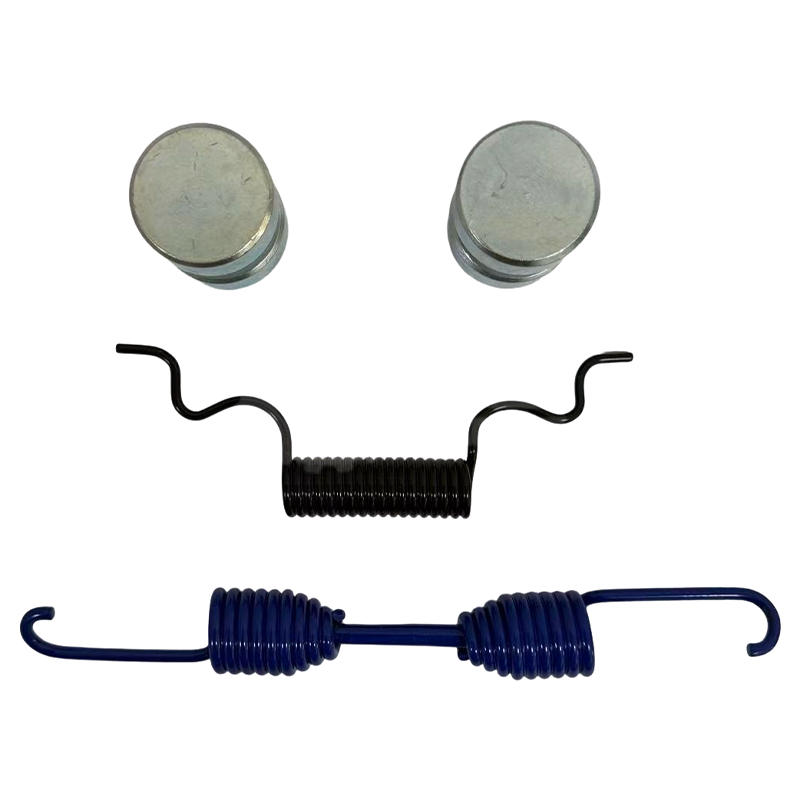
The1308E E-5139 Hardware Kits (Part No. 1308E, OEM No. E-5139) is meticulously designed to provide an effective and comprehensive solution for the res...
See Details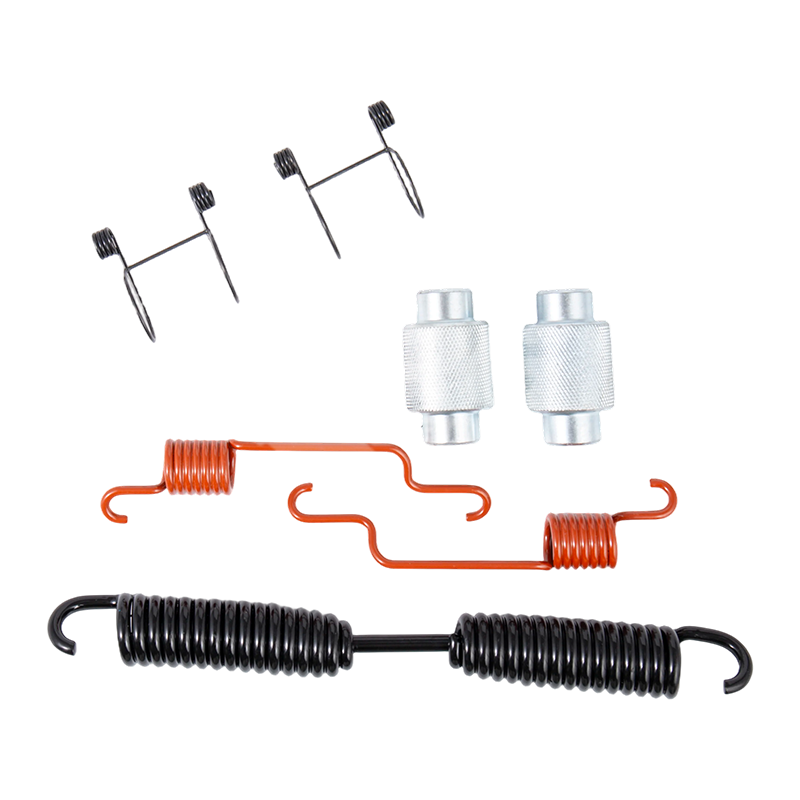
This hardware kit, model E-10244S with part number 4709ES2, is a premium-grade brake repair kit meticulously engineered for comprehensive vehicle brak...
See DetailsGet a Free (Customized) Quote

derek@crgbrake.com
vicky@crgbrake.com

 OUR Product
What’s News
Copyright © Zhejiang Courage Auto Parts Co., Ltd. All Rights
Reserved
 Commercial Vehicles CRG Brake Parts Manufacturers