

 English
  中文简体
中文简体 

CA33
The CA33 A 3222FM61 American Brake Shoes is a high-performance, heavy-duty component specifically engineered to meet and exceed the rigorous demands o...
See Details
Content
When a heavy-duty truck comes in for brake service, the driver's complaint is usually a low or spongy pedal. The technician pulls the drum and sees a familiar layout: two shoes, one adjuster, and several springs. Most people focus on the friction material, but the real clue is often in the springs. The component that keeps the brake linings close to the brake drum in a drum brake is the return spring, also called a retraction spring. After the brake pedal is released, the return spring pulls the shoes back to a rest position where the lining is extremely close to the drum surface but not touching it.
Strictly speaking, hold-down springs keep the shoe assembly flat against the backing plate, while return springs set the actual lining-to-drum clearance. Both are necessary for safe operation, but if the question is which component keeps the linings close to the brake drum, the answer is the return spring.
In an S-cam foundation brake, the heart of the system is the rotating camshaft and the two brake shoes. The shoes are mounted on the backing plate and connected by springs at the top and bottom. One of those is the return spring. When the driver applies the brakes, compressed air moves the push rod, rotating the slack adjuster and the S-cam. The S-cam spreads the rollers and pushes each shoe outward. The lining contacts the drum and builds braking torque.
When air pressure is released, the return spring pulls the shoes back together. The roller on each shoe stays in light contact with the S-cam flats, and the lining is left with a measured running clearance. This clearance must be as small as possible, usually around 0.5 to 1.5 mm depending on the manufacturer's specification, so that the next brake application starts quickly and consistently.
Some people assume the lining should almost touch the drum at all times. That would create constant drag, generating heat and glazing the lining. On the other hand, too much clearance requires the S-cam to rotate further before contact, increasing pushrod stroke and reducing braking force. That is why the automatic slack adjuster is so important: it compensates for lining wear and keeps the running clearance constant. But the adjuster works by sensing how far the shoes travel during a brake application. If the return springs are weak, the shoes may not return to the same position every time, and the adjuster will receive false signals.
This is why the correct tension, spring geometry, and installation matter as much as the lining grade or drum condition.
New brake technicians often confuse these two spring sets. The hold-down spring is the smaller spring that pins the shoe to the backing plate. It stops the shoe from lifting, vibrating, or shifting sideways. The return spring is usually the heavier spring stretched between the shoes. When the brake is released, it returns the shoes to the home position and creates the small clearance between lining and drum.
| Component | Primary function | Effect on lining-to-drum clearance |
|---|---|---|
| Return springs | Pull the brake shoes inward after each brake application | Set the normal running clearance between lining and drum |
| Hold-down springs | Keep the brake shoes seated on the backing plate | Keep the lining parallel to the drum |
| Automatic slack adjuster | Adjust the S-cam position as the lining wears | Maintain correct clearance over the life of the lining |
| Slack adjuster and push rod | Apply force from the brake chamber to the S-cam | Control application stroke, not the resting position |
As the table shows, the return spring is the component that determines how close the lining rests to the drum. The other parts keep the assembly aligned and properly adjusted.
When replacing brake shoes or linings, do not reuse old return springs. A spring that still looks round can be permanently stretched or softened by years of heating and flexing. Compare the spring free length with the original specification. If the left and right brakes do not use identical springs, the vehicle may pull to one side during braking.
Many fleets simplify this job by ordering pre-assembled lined shoes. A unit such as the 4515Q lined brake shoes with hardware kit brings together the shoe, the lining, and all the small springs, pins, and clips needed for the assembly. That reduces the chance of installing an old spring or an incorrect hold-down part. To see the difference between a bare shoe and a fully lined assembly, read our article on what lined brake shoes are and why they matter.
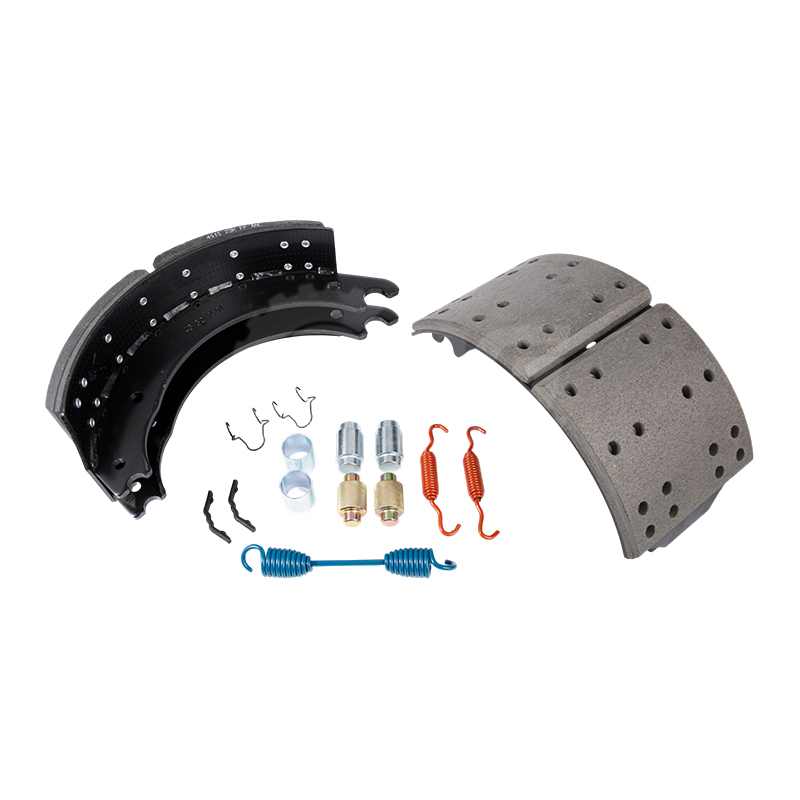 4515Q A91 3222 S1293 Lined Brake Shoes With Hardware Kits Manufacturers, custom CRG Brake - Custom 4515Q A91 3222 S1293 Lined Brake Shoes With Hardware Kits Manufacturers and Company is China,, Part No 4515QLined Br...View Product →
Another approach is to keep a stock of bare brake linings and hardware. If the existing shoes are still within specification, a quality set of friction material such as 4515 American brake linings can be mounted, but always pair it with fresh springs. The springs are not optional accessories; they are safety-critical parts.
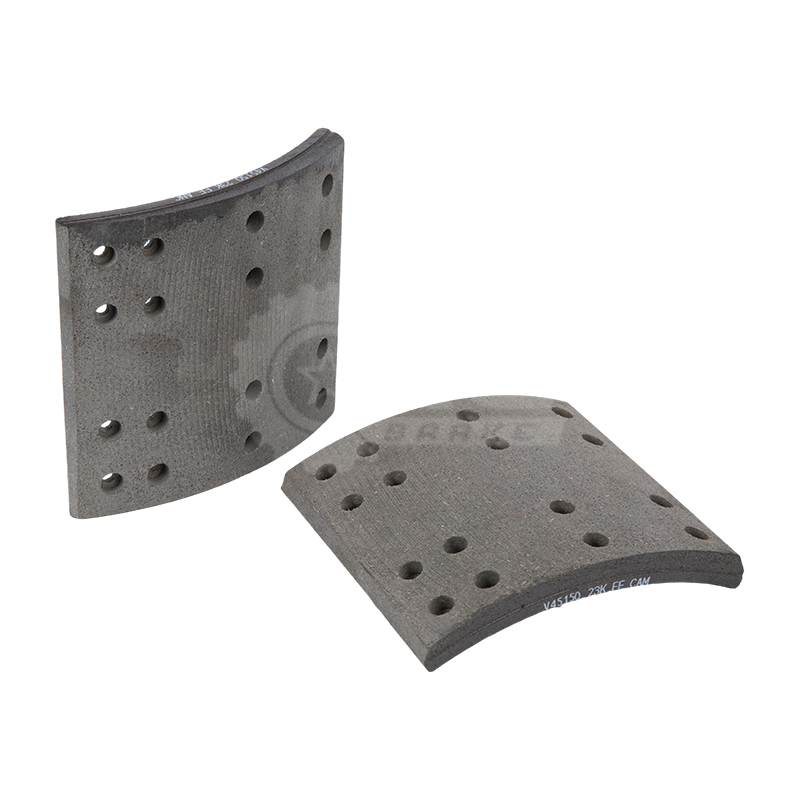 4515 American Brake Linings Manufacturers, custom CompanyCRG Brake - Custom 4515 American Brake Linings Manufacturers and Company is China,, FMSI 4515 Brake Lining WVA 19036/7 Width 177.8m...View Product →
Brake failure is rarely caused by one spectacular defect. It is usually the result of small mismatches: a return spring with the wrong tension, a lining with a slightly different friction grade, or a shoe web that was bent during handling. For this reason, good fleets and distributors prefer a supplier that manufactures the complete foundation brake component rather than just one part of it.
CRG Brake is a factory-backed brake component manufacturer with more than 20 years of experience in heavy-duty truck and trailer brake shoes. We engineer friction material, assemble lined brake shoes, and offer hardware kits that match the original design. From our plant in Deqing, Zhejiang, we supply OEM and aftermarket customers who expect consistent brake performance and reliable delivery.
Whether you are rebuilding a 4515Q, 4707Q, or a similar S-cam brake, the springs and the lining need to be considered as one system. A correctly selected return spring keeps the linings close to the brake drum, and a correctly matched lining keeps the braking torque predictable. That combination is what turns a good brake job into a safe one.
The bottom line: return springs are the components that keep the brake linings close to the brake drum after the brakes are released. Hold-down springs keep the assembly aligned, and the automatic adjuster maintains the proper clearance as the lining wears. When you rebuild a drum brake, treat all these parts as safety-critical, replace worn springs without hesitation, and choose a supplier that understands the complete brake assembly.
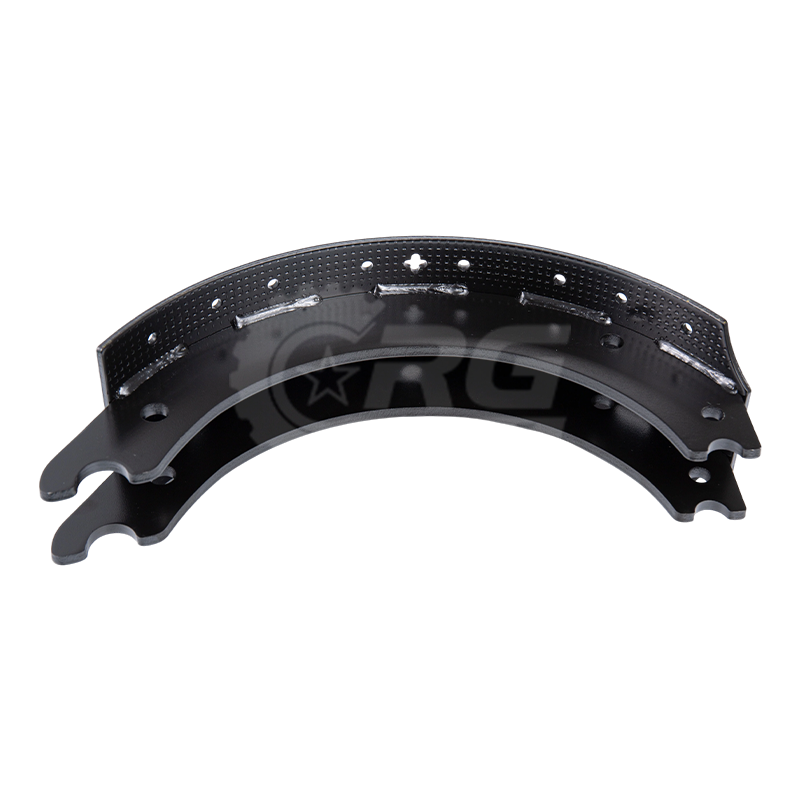
The CA33 A 3222FM61 American Brake Shoes is a high-performance, heavy-duty component specifically engineered to meet and exceed the rigorous demands o...
See Details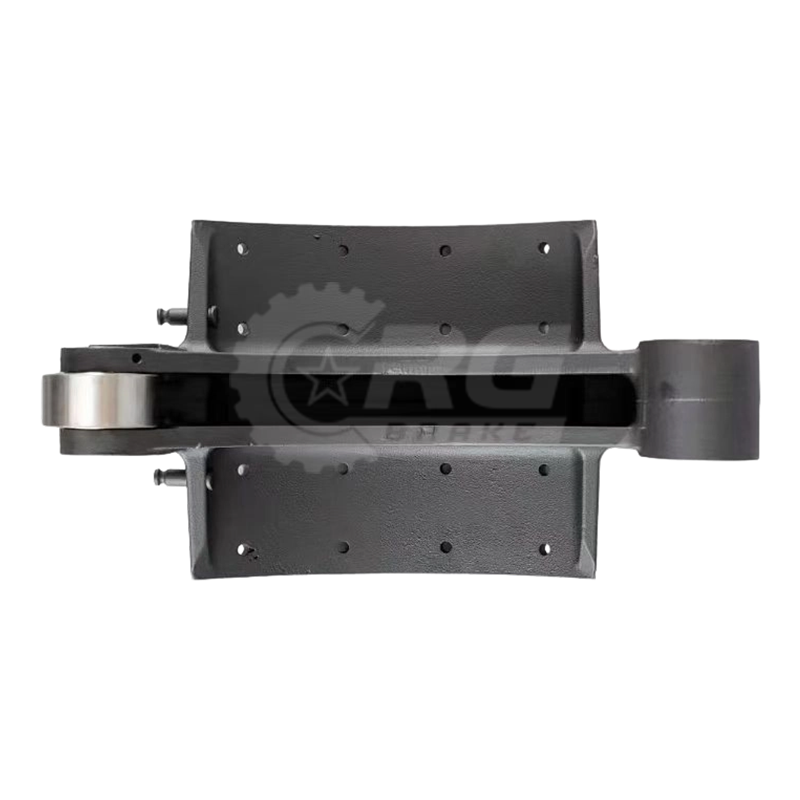
The SC254 1104545 Cast Brake Shoes is a premium-grade, high-performance braking component meticulously engineered for heavy-duty commercial vehicles. ...
See Details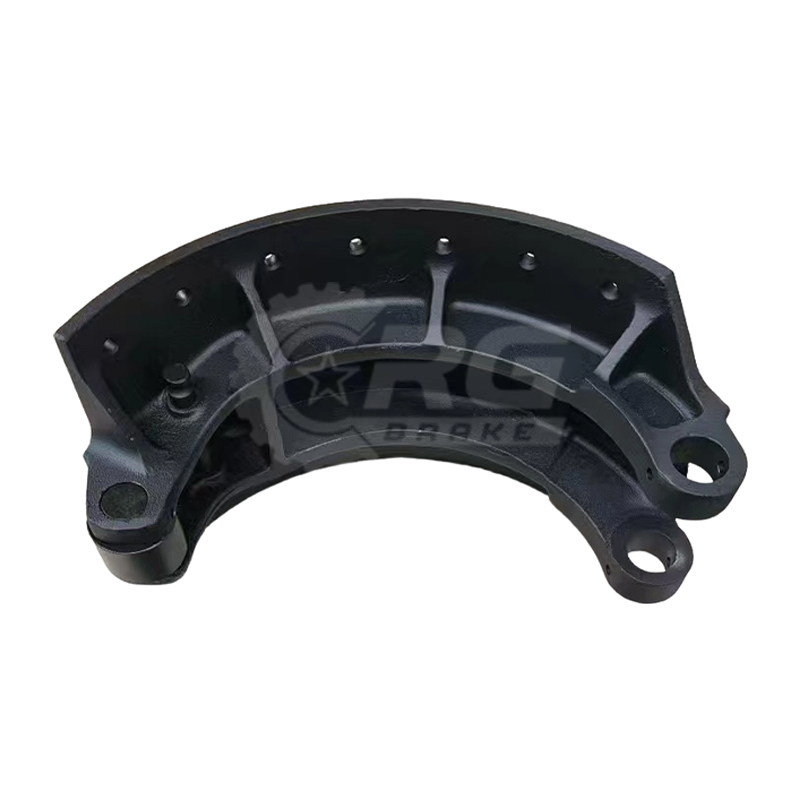
The VOLVO200 1137701 Cast Brake Shoes, with a dimension of 410×200 mm, is meticulously designed to fulfill the demanding performance and safety requir...
See Details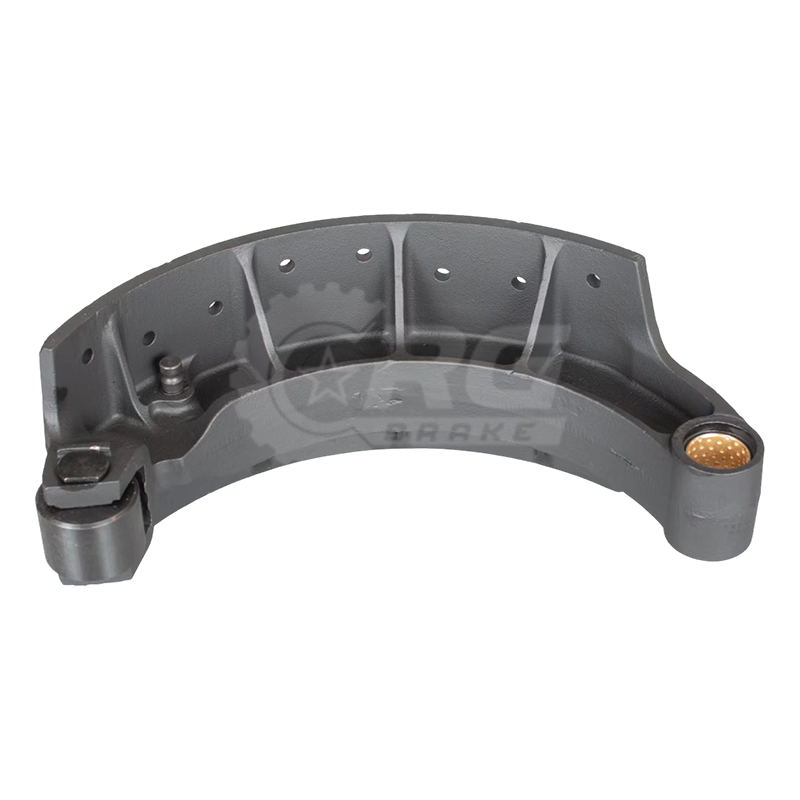
BENZ180 659 420 0619 Cast Brake Shoes, with precise dimensions of 410×180mm, is meticulously engineered to meet the rigorous demands of commercial and...
See Details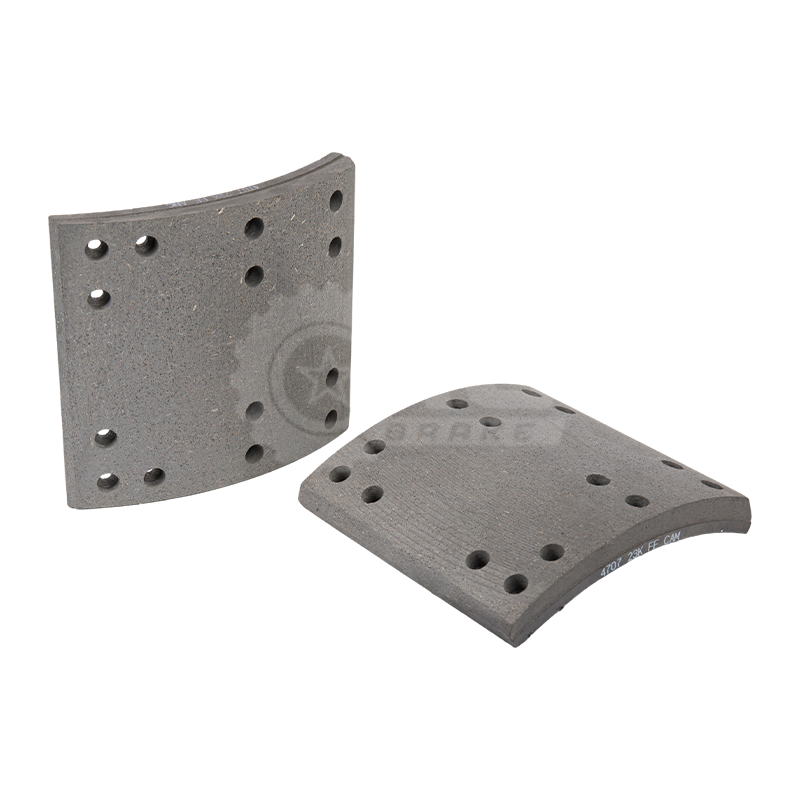
The 4707 American Brake Linings are engineered to deliver outstanding braking performance, specifically designed to handle the rigorous demands of hea...
See Details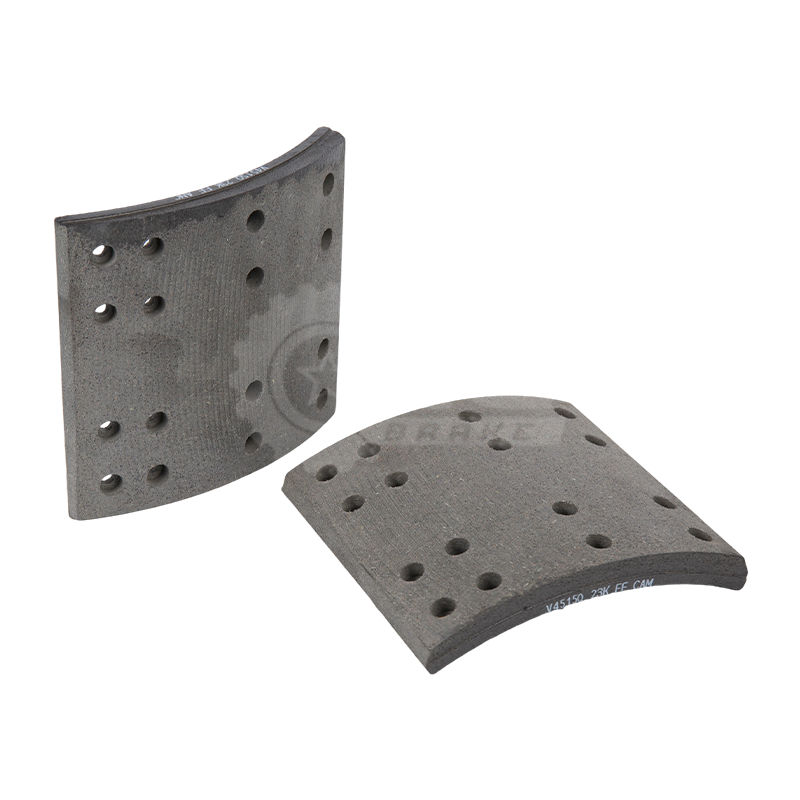
The 4515 American Brake Linings brake shoe is designed with a standard 16.5" x 7" dimension, which has been widely recognized as an optimal size for m...
See Details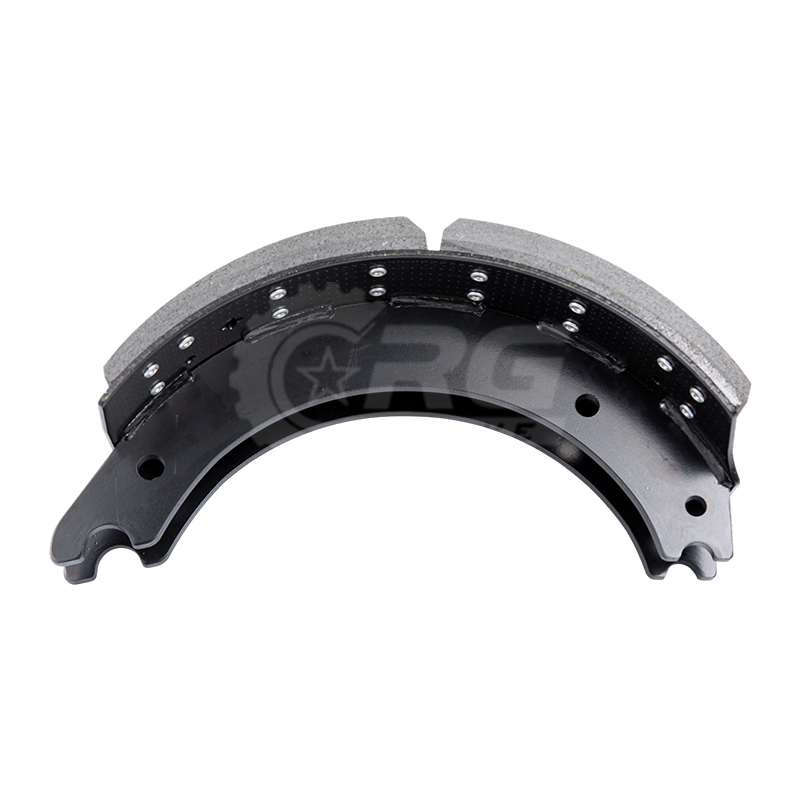
The 4707Q A19 3222 D2006 Lined Brake Shoes is specifically engineered to deliver exceptional heavy-duty braking performance, making it an ideal choice...
See Details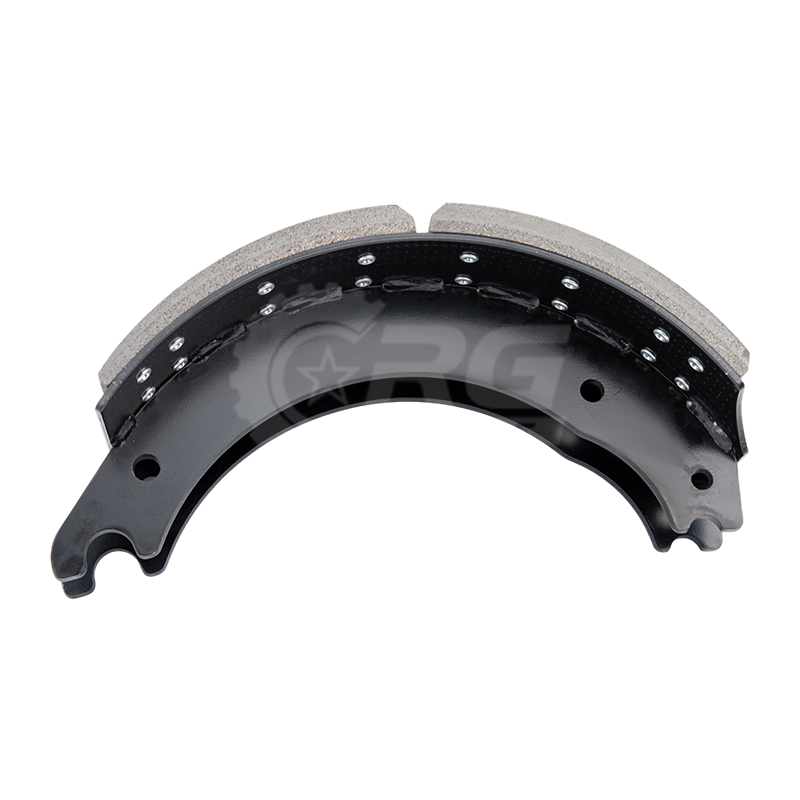
The 4515Q A91 3222 S1293 Lined Brake Shoes is a high-performance braking component meticulously engineered to meet the rigorous demands of modern brak...
See Details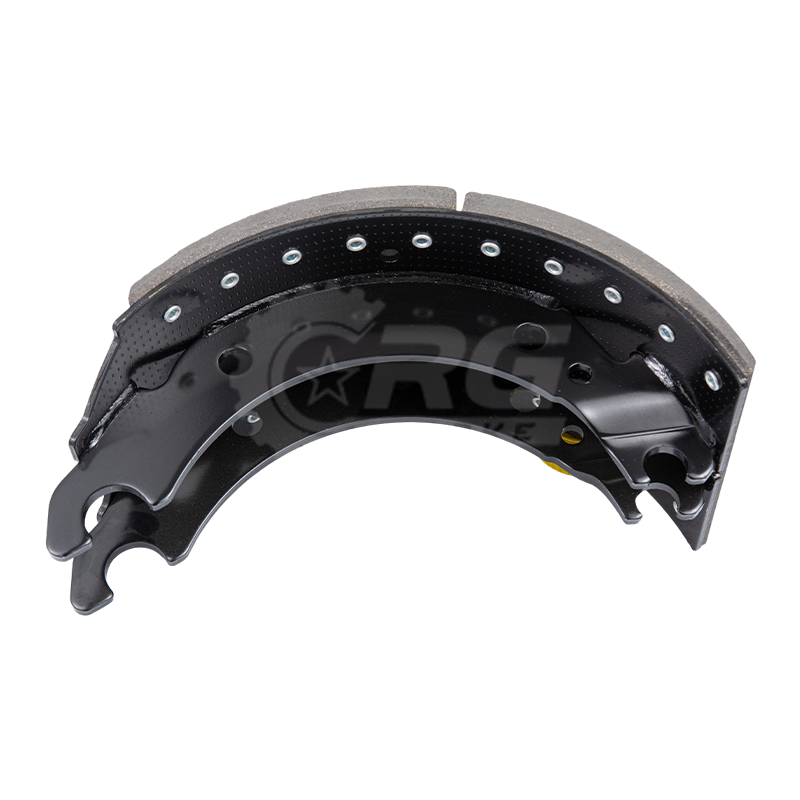
BPW200 05.091.27.83.0 Lined Brake Shoes is a premium, high-performance braking component meticulously engineered for use in commercial vehicle braking...
See Details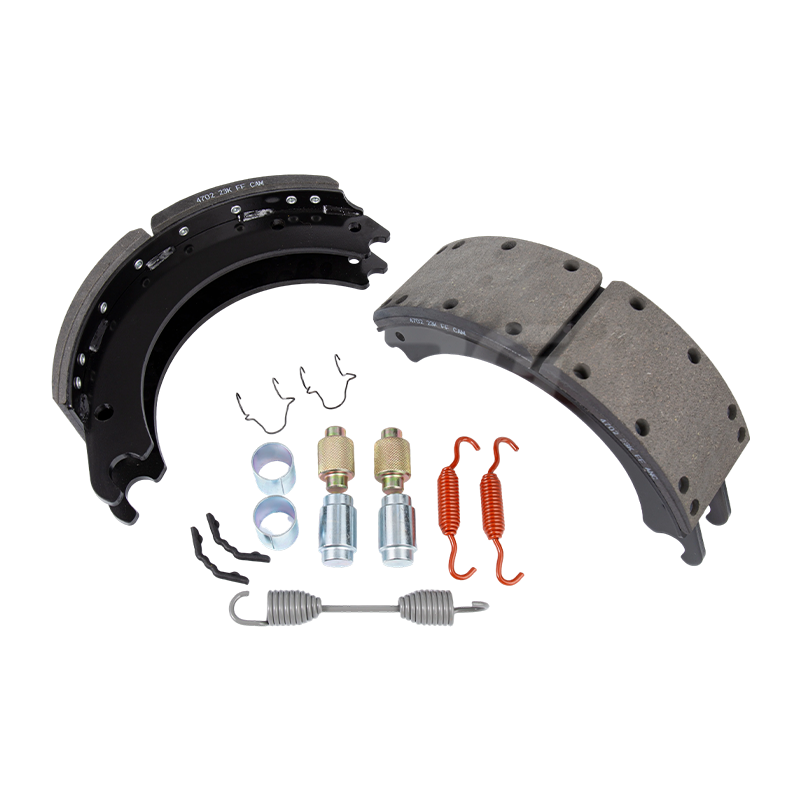
The 4702Q A3222 M2223 Lined Brake Shoes With Hardware Kits with Hardware Kits, measuring 15 inches by 4 inches, are meticulously engineered to provide...
See DetailsGet a Free (Customized) Quote

derek@crgbrake.com
vicky@crgbrake.com

 OUR Product
What’s News
Copyright © Zhejiang Courage Auto Parts Co., Ltd. All Rights
Reserved
 Commercial Vehicles CRG Brake Parts Manufacturers