

 English
  中文简体
中文简体 


Industry Knowledge
Advanced Material Engineering in Heavy-Duty Brake Shoe Design
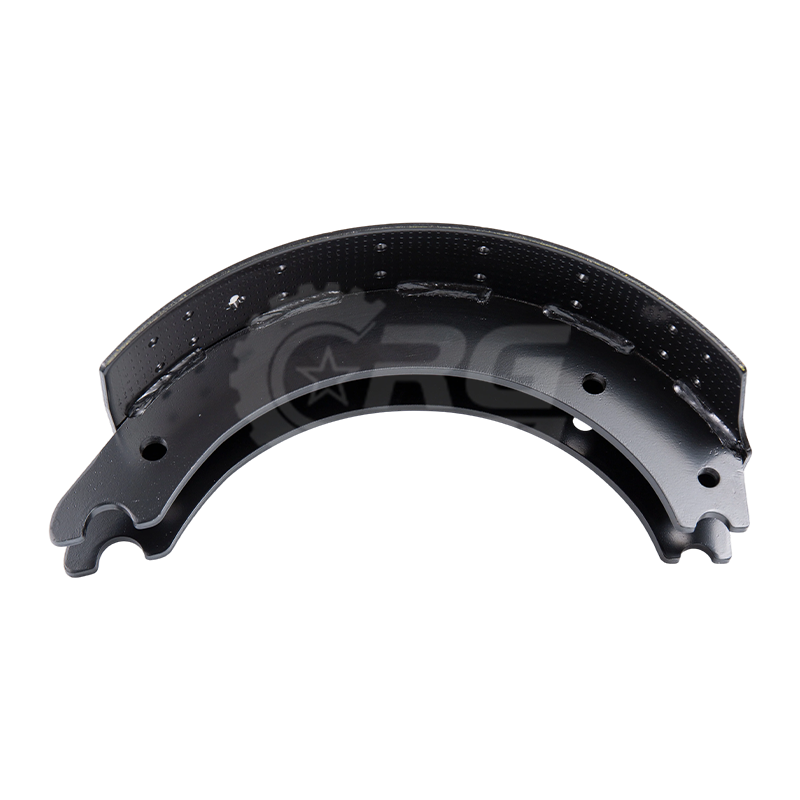
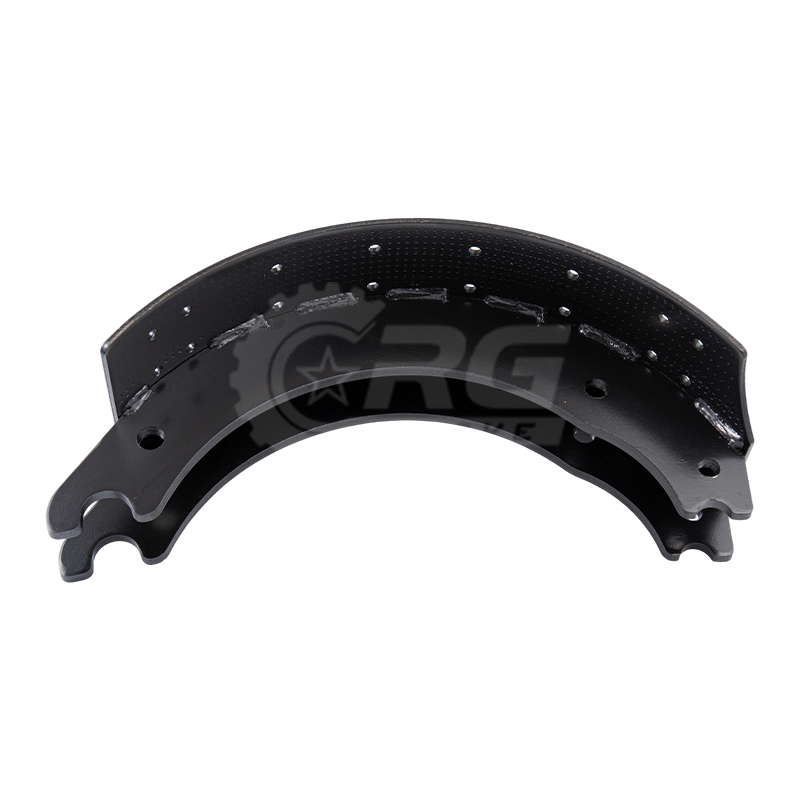
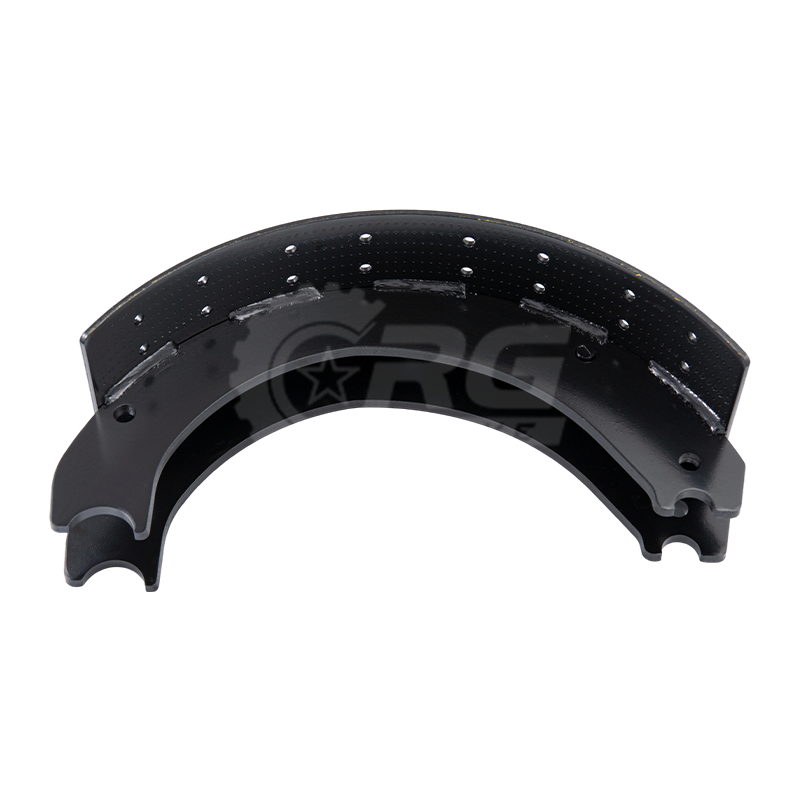
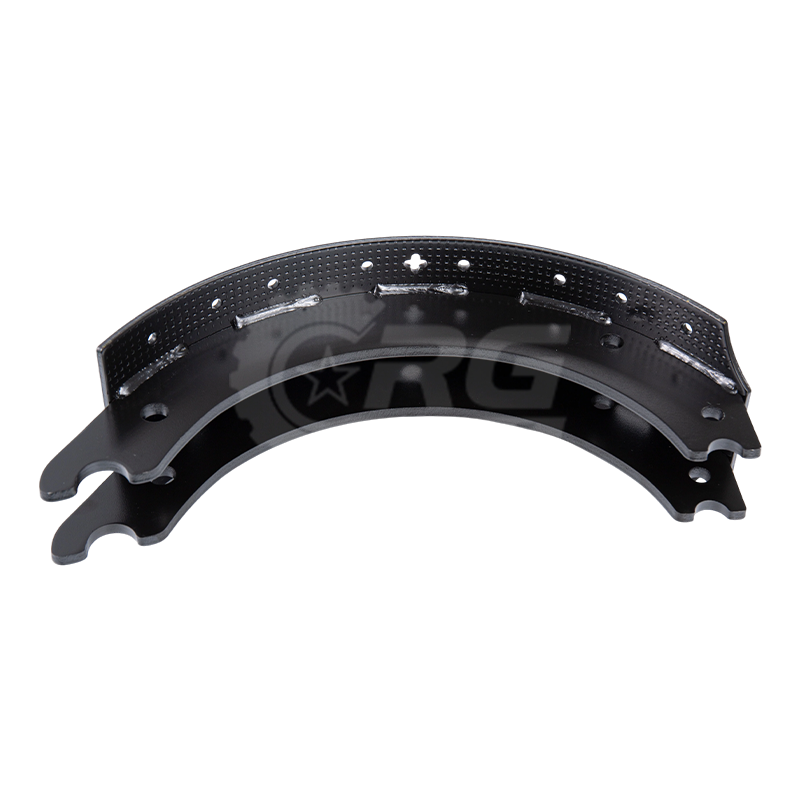
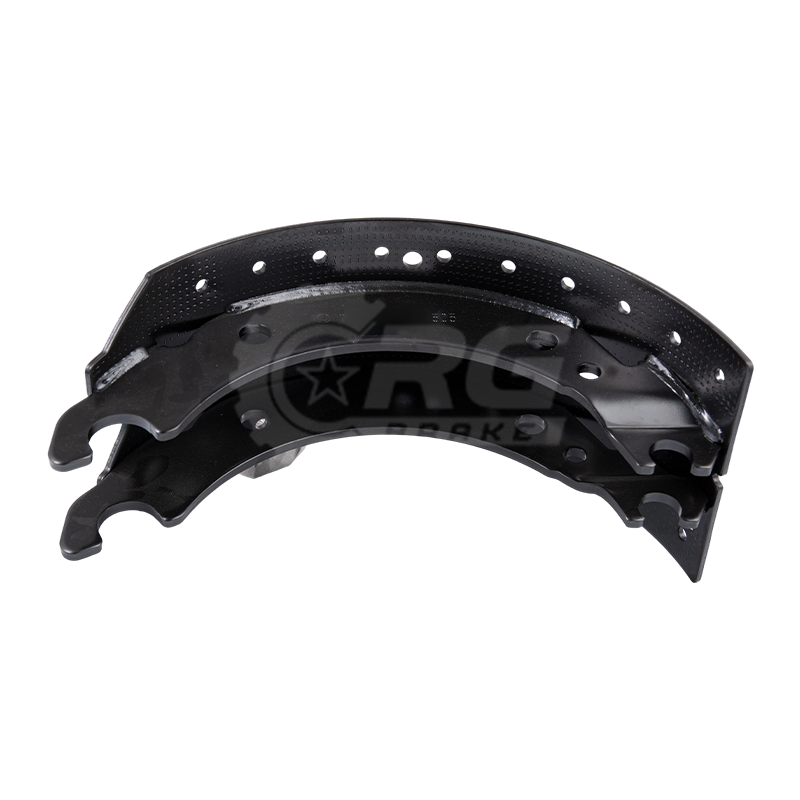
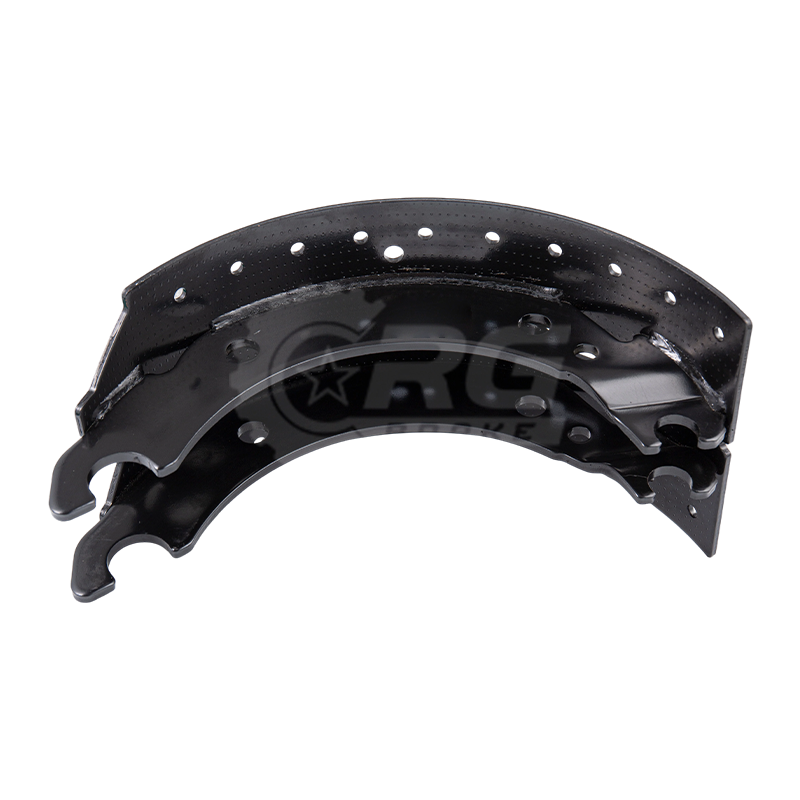
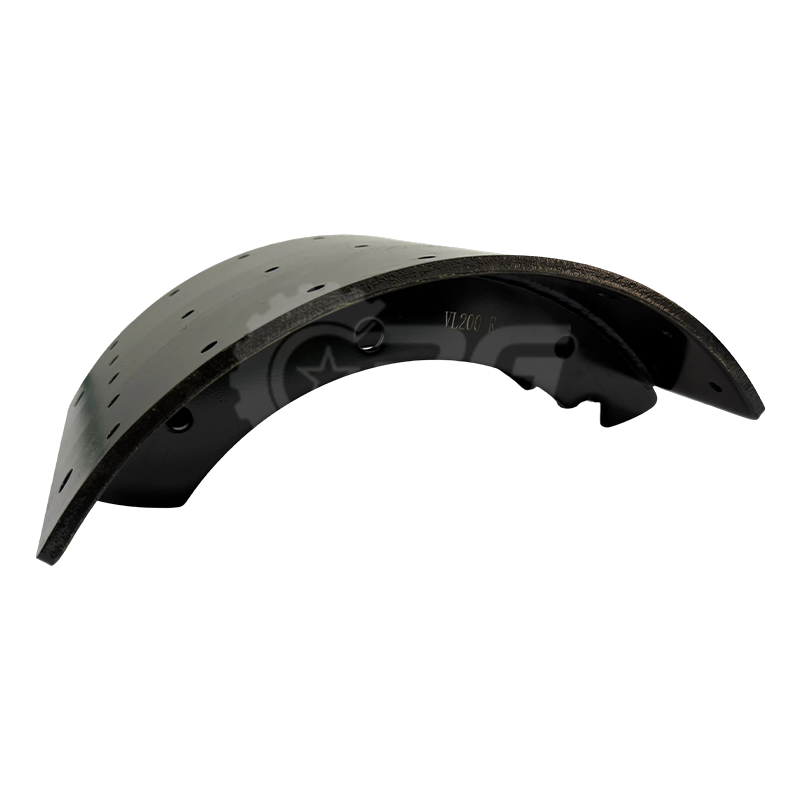
The performance envelope of Brake Shoes for commercial vehicles is fundamentally determined by the thermal and mechanical properties of friction linings. Modern compound formulations integrate ceramic fibers, metallic particles, and advanced resin binders to achieve stable friction coefficients across temperature ranges from ambient to over 500°C. This material science approach prevents fade during sustained downhill braking while minimizing abrasive wear on drum surfaces. A professional Brake Shoe Manufacturer invests in dynamic testing protocols that simulate real-world load conditions, ensuring each Brake Shoe For Heavy Duty Truck maintains consistent stopping power throughout its service life.
Friction Compound Optimization for Diverse Operating Conditions
- Non-asbestos organic formulations prioritize low noise generation and reduced drum scoring, ideal for regional delivery applications with frequent stop cycles.
- Semi-metallic compositions enhance thermal conductivity and wear resistance, making them suitable for long-haul freight operations where sustained braking generates extreme heat loads.
- Ceramic-enhanced matrices provide superior fade resistance and extended service intervals, particularly valuable for mining and construction vehicles operating in abrasive environments.
Precision Manufacturing Standards for Commercial Vehicle Braking Systems
Dimensional accuracy in Brake Shoes directly influences braking balance and component longevity. Advanced stamping processes achieve web curvature tolerances within ±0.1mm, ensuring uniform contact pressure across the entire lining surface. Heat treatment protocols for steel components optimize yield strength while maintaining controlled elasticity to absorb dynamic shock loads. Zhejiang COURAGE Auto Parts Co., Ltd., operating as CRG Brake, leverages over 20 years of deep expertise in the brake shoe industry to implement rigorous quality control measures at every production stage. As a trusted Brake Shoe Manufacturer, the facility supplies high-performance original components to renowned heavy-duty truck manufacturers while delivering customized OEM solutions for aftermarket requirements.
| Application Category | Recommended Lining Type | Expected Service Interval |
|---|---|---|
| Urban Delivery | Low-metallic organic | 80,000-120,000 km |
| Long-Haul Freight | Semi-metallic composite | 150,000-200,000 km |
| Off-Road/Construction | Ceramic-reinforced | 100,000-150,000 km |
Fleet Maintenance Strategies and Component Lifecycle Management
Proactive inspection protocols significantly extend the operational life of Brake Shoe For Heavy Duty Truck assemblies while maintaining regulatory compliance. Technicians should measure lining thickness at multiple points to identify uneven wear patterns that indicate misaligned camshafts or worn anchor pins. Drum interior surfaces require verification for taper, out-of-round conditions, and heat spotting, as geometric deviations reduce effective contact area and increase stopping distances. Proper lubrication of mechanical interfaces prevents binding that mimics friction-related performance loss. Fleet managers benefit from standardized torque specifications and calibrated slack adjuster settings that maintain optimal pushrod stroke throughout the service interval.
Performance Monitoring Best Practices
- Document baseline brake balance measurements during initial installation to establish reference points for future diagnostic comparisons.
- Implement thermal imaging inspections after demanding routes to identify abnormal heat distribution patterns indicating mechanical binding or uneven lining contact.
- Schedule preventive replacement based on wear rate calculations rather than fixed mileage intervals, optimizing component utilization while preventing unexpected downtime.


 OUR Product
