

 English
  中文简体
中文简体 

BPW180 05.091.46.17.0
The BPW180 05.091.46.17.0 European Brake Shoes stands out as a high-performance component in commercial vehicle braking systems, trusted for its excep...
See Details
Content
European brake shoes are a core component of drum brake systems, widely used in the rear axles of passenger cars, light commercial vehicles, and trailers across European vehicle platforms. Unlike disc brakes, which rely on pads clamping onto a rotor, drum brakes use curved shoes that press outward against the inner surface of a rotating drum to generate friction and slow the vehicle. Understanding how these shoes function mechanically helps explain why they remain a cost-effective and durable choice for many European-manufactured vehicles, particularly in rear-wheel applications where lighter braking force is required.
The working principle centers on converting kinetic energy into heat through controlled friction. When the brake pedal is pressed, hydraulic pressure or mechanical force activates a wheel cylinder or actuator, which pushes the brake shoes outward. The friction lining bonded to each shoe makes contact with the drum's inner wall, creating resistance that slows the wheel's rotation.
To fully understand the working principle, it helps to break down the individual parts that work together within a European drum brake system.
The shoe frame is typically a curved steel structure that holds the friction lining material in place. European brake shoes commonly use semi-metallic or ceramic-based friction compounds bonded or riveted to the frame, chosen for their ability to maintain stable friction coefficients across a wide temperature range, which is important given the varied climates and driving conditions found throughout European roads.
The wheel cylinder converts hydraulic pressure from the brake master cylinder into mechanical force. When brake fluid pressure increases, pistons inside the wheel cylinder push the shoes apart and into contact with the drum.
Return springs are responsible for pulling the shoes back to their resting position once the brake pedal is released. Without properly functioning return springs, the shoes could remain partially engaged, causing excessive wear, overheating, or reduced fuel efficiency.
As the friction lining wears down over time, the gap between the shoe and drum increases. The self-adjusting mechanism compensates for this wear automatically, maintaining consistent pedal feel and braking performance without requiring frequent manual adjustment.
The following table outlines the sequence of events that occur during a single braking action, from pedal engagement to release.
| Stage | Action | Result |
| Pedal pressed | Hydraulic pressure sent to wheel cylinder | Pistons begin to move outward |
| Shoe expansion | Shoes pushed toward drum surface | Friction lining contacts drum |
| Friction generation | Lining rubs against rotating drum | Kinetic energy converted to heat |
| Deceleration | Wheel rotation slows | Vehicle speed reduces |
| Pedal released | Hydraulic pressure drops | Return springs pull shoes back |
The performance of a European brake shoe depends heavily on the composition of its friction lining. Manufacturers typically formulate linings using a blend of fibers, resins, and fillers designed to balance friction consistency, heat resistance, and noise reduction. A lining with too aggressive a friction coefficient can cause grabby braking and premature drum wear, while a lining that is too soft may lead to fade under sustained braking, such as during long descents on mountainous European roads.
Many European-spec brake shoes are engineered to comply with ECE R90 standards, which regulate friction performance, thermal stability, and wear characteristics to ensure consistent stopping power across a wide range of operating conditions.
One of the defining features of modern European brake shoe systems is the self-adjusting mechanism. As the friction lining gradually wears thinner, the distance the shoe must travel to contact the drum increases. Without compensation, this would result in a spongy or delayed brake pedal feel over time.
The self-adjuster typically works through a ratcheting lever connected to the parking brake cable or a star-wheel adjuster mechanism. Each time the brakes are applied while the vehicle moves in reverse, or through cable-actuated movement during forward braking depending on the design, the adjuster incrementally closes the gap between the shoe and drum, maintaining consistent contact and pedal response.
Recognizing the symptoms of worn brake shoes allows for timely replacement before performance is compromised.
The interaction between the brake shoe and the drum is central to overall braking effectiveness. European drum designs often incorporate finned or ventilated surfaces to improve heat dissipation, reducing the risk of thermal fade during repeated braking cycles. The internal diameter and surface finish of the drum must remain within precise tolerances, as an out-of-round or heavily scored drum can cause uneven contact with the shoe lining, leading to pulsation, reduced stopping power, and accelerated wear.
Proper machining or replacement of the drum, when paired with new brake shoes, ensures that the friction surfaces mate correctly, allowing the self-adjusting mechanism and shoe geometry to function as designed.
Routine maintenance plays a significant role in preserving the working efficiency of the brake shoe assembly.
When replacement becomes necessary, choosing brake shoes manufactured to match original equipment specifications ensures proper fitment, consistent friction performance, and compliance with regional safety standards. Factors such as lining thickness, curvature radius, and mounting hole alignment must correspond precisely to the vehicle's original design to avoid uneven wear or diminished stopping power. Selecting shoes tested under standardized friction and thermal conditions provides confidence that the replacement will perform reliably across varying driving conditions, from urban stop-and-go traffic to sustained highway speeds.
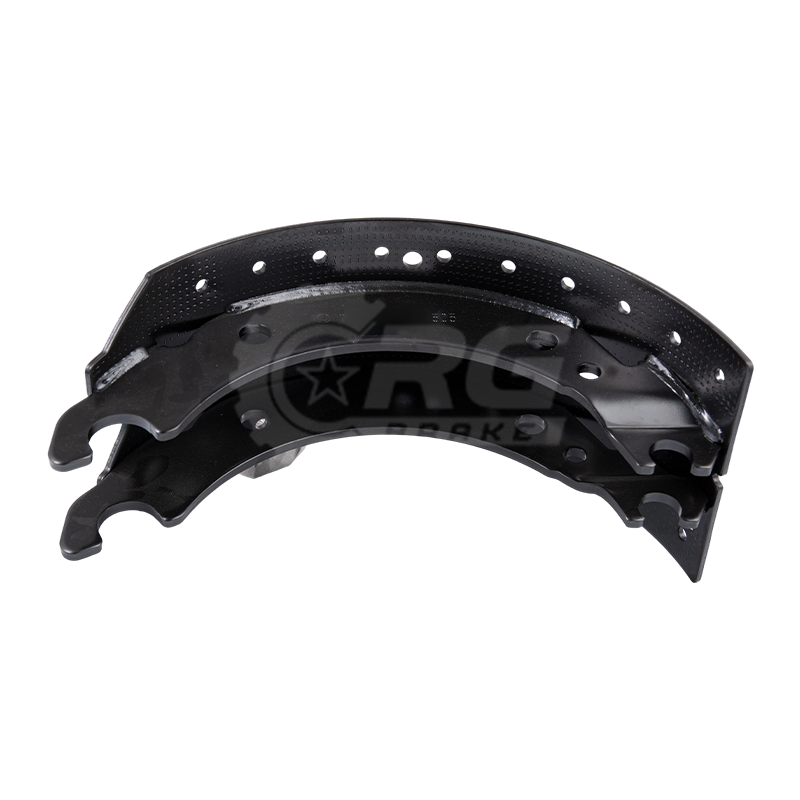
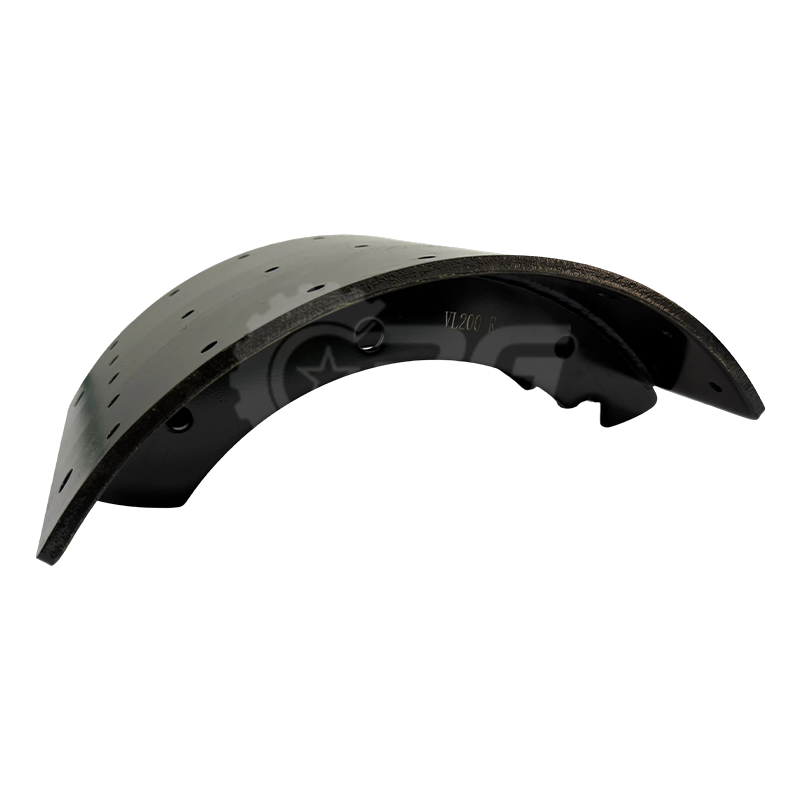
The BPW180 05.091.46.17.0 European Brake Shoes stands out as a high-performance component in commercial vehicle braking systems, trusted for its excep...
See Details
The VOLVO200 3095196 European Brake Shoes is meticulously designed and engineered to meet the demanding requirements of commercial trucks and heavy-du...
See Details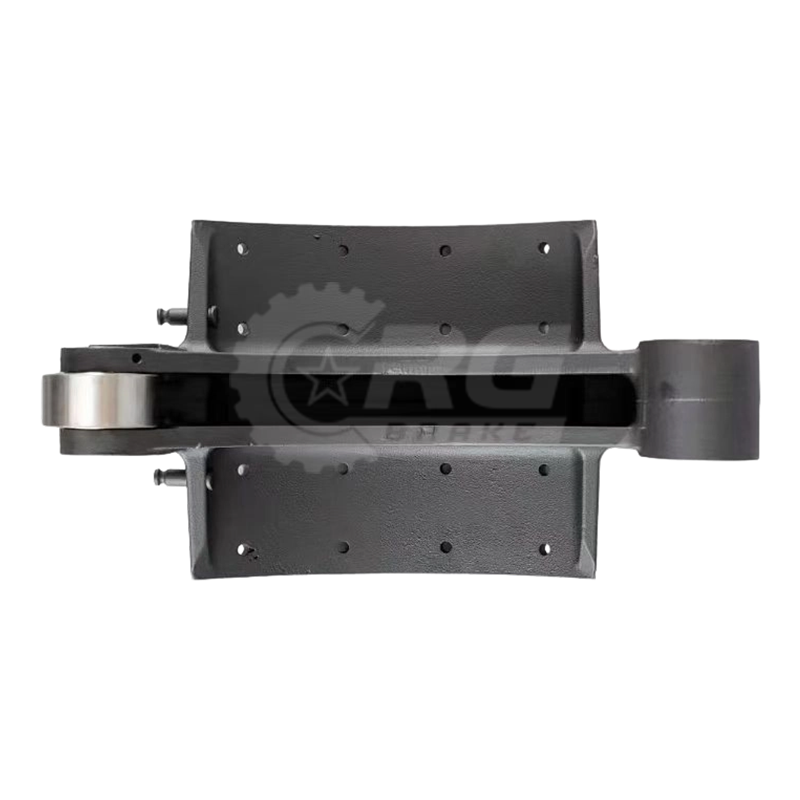
The SC254 1104545 Cast Brake Shoes is a premium-grade, high-performance braking component meticulously engineered for heavy-duty commercial vehicles. ...
See Details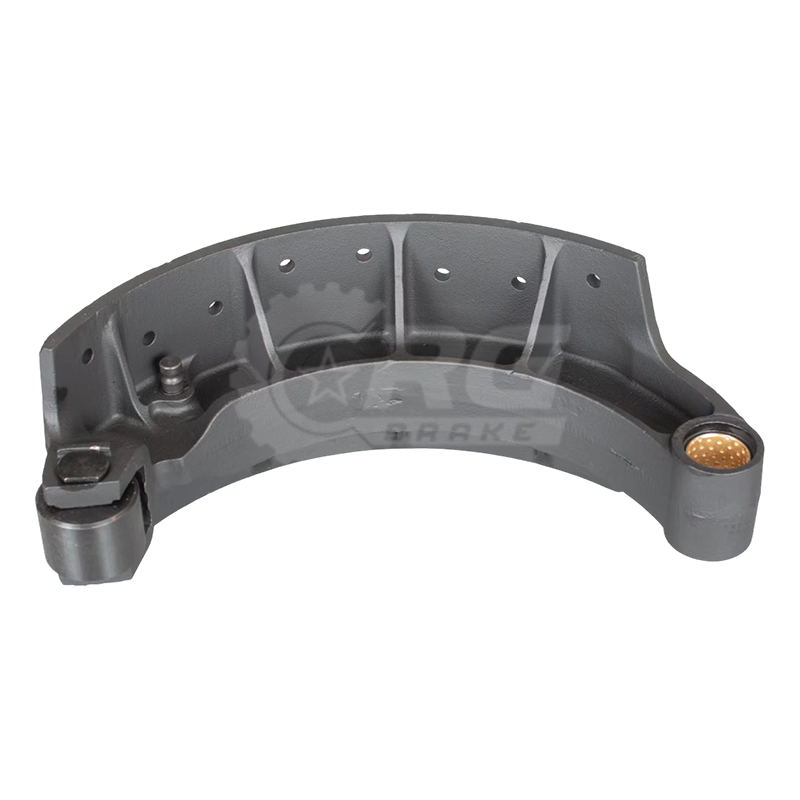
BENZ180 659 420 0619 Cast Brake Shoes, with precise dimensions of 410×180mm, is meticulously engineered to meet the rigorous demands of commercial and...
See Details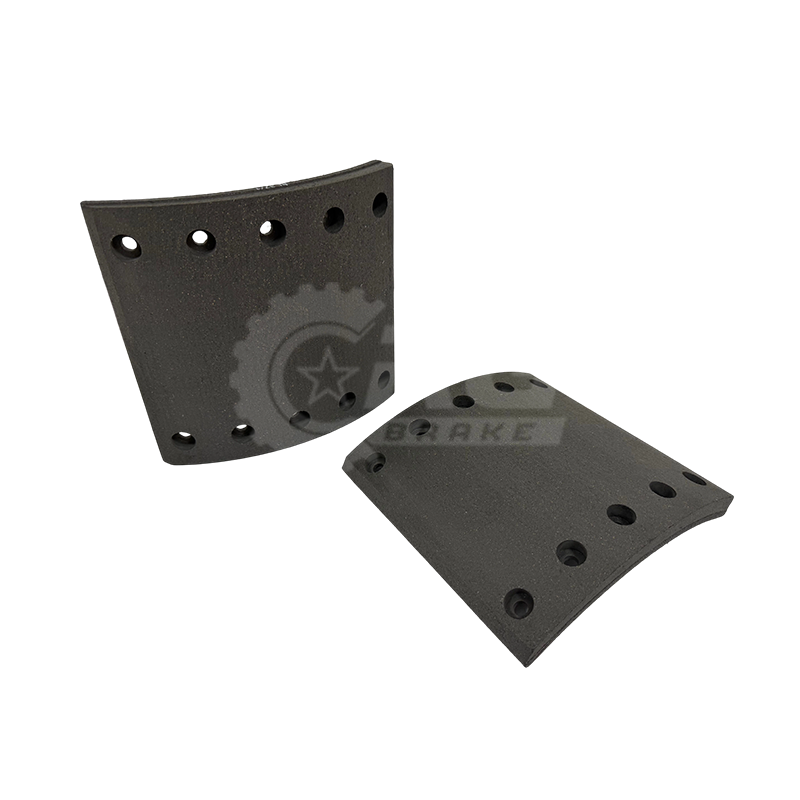
This 19032 European Brake Lining, with dimensions of 420mm in length and 180mm in width, is a premium, high-performance friction component meticulousl...
See Details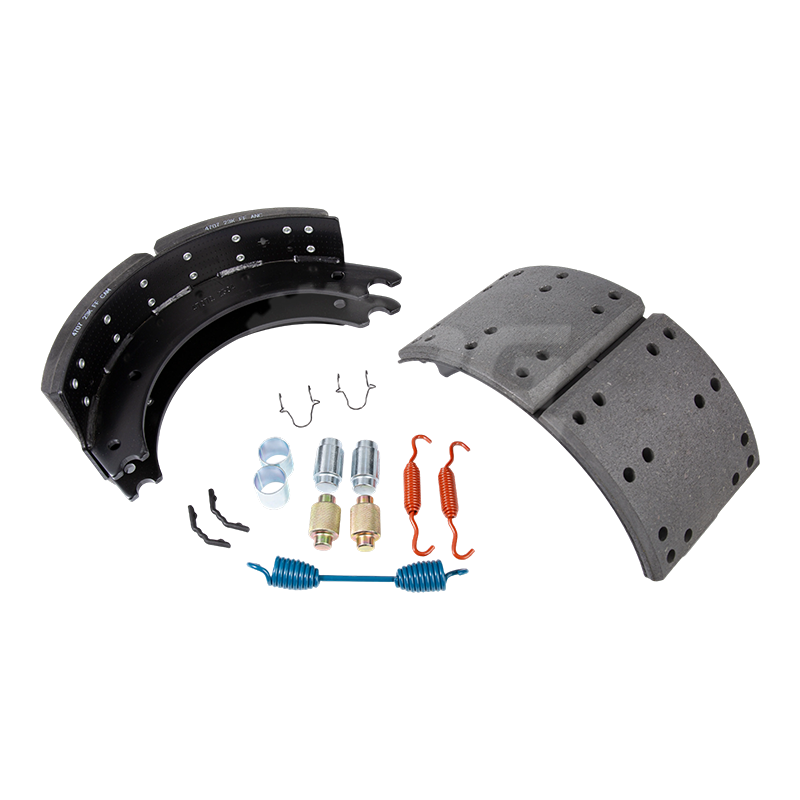
Our 4707Q A19 3222 D2006 Lined Brake Shoes With Hardware Kits are precision-engineered components measuring 16.5 inches in length and 7 inches in widt...
See Details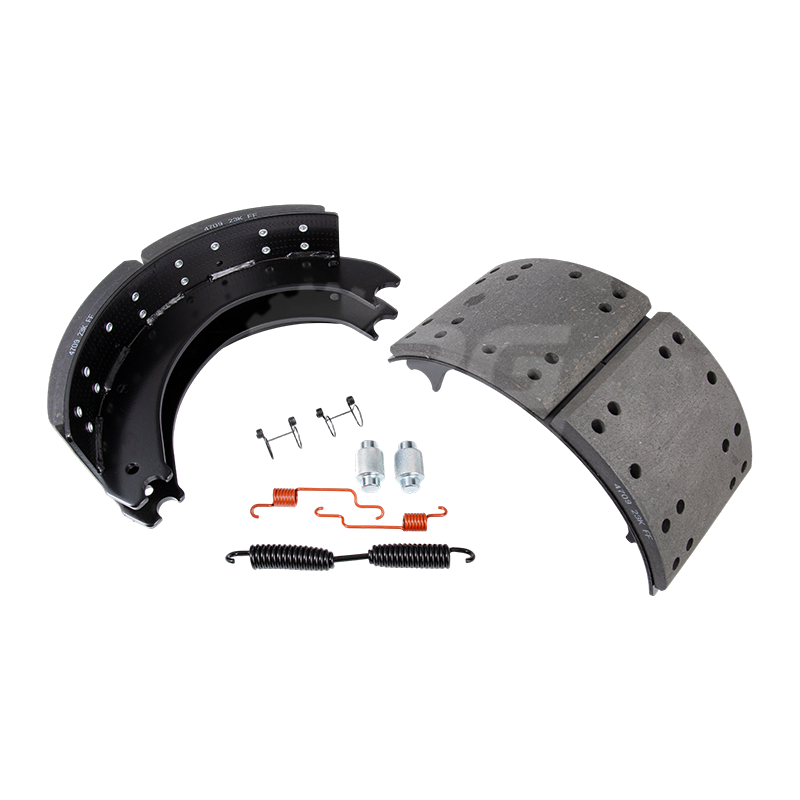
These 4709ES2 EATON 819707 Lined Brake Shoes With Hardware Kits measure 16.5 inches by 7 inches, specifically engineered to fit vehicles that require ...
See Details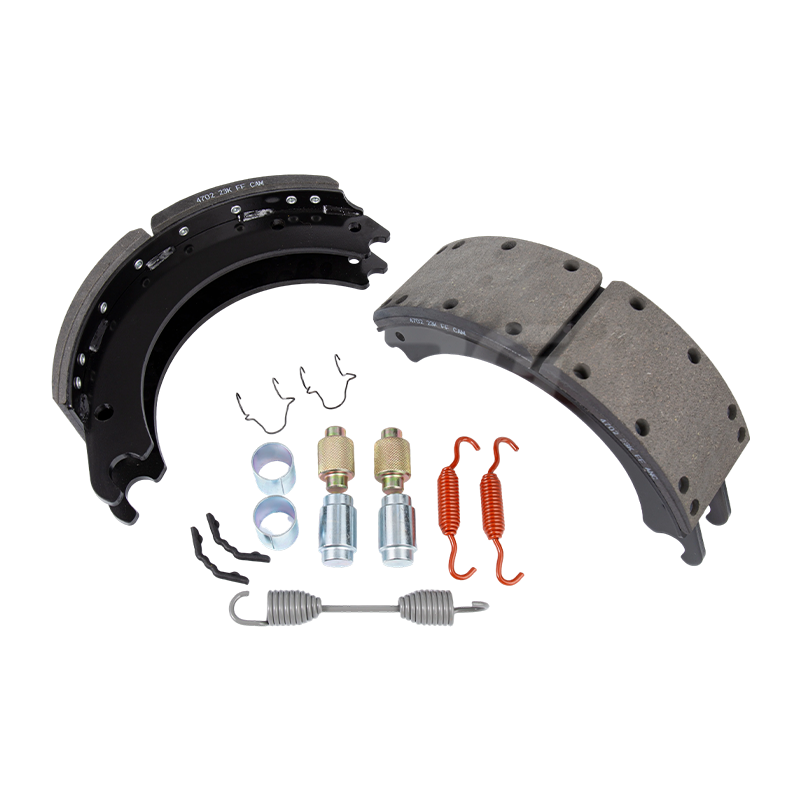
The 4702Q A3222 M2223 Lined Brake Shoes With Hardware Kits with Hardware Kits, measuring 15 inches by 4 inches, are meticulously engineered to provide...
See Details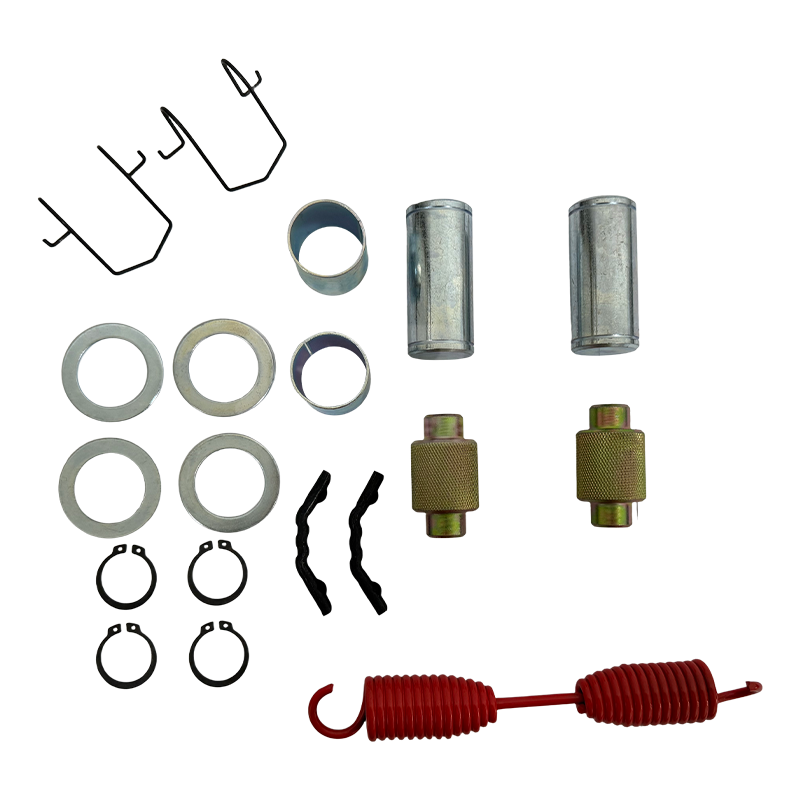
The 4515E E-1816SHD Hardware Kits, identified by the OEM number E-1816SHD, is a premium-quality hardware kit meticulously engineered for comprehensive...
See Details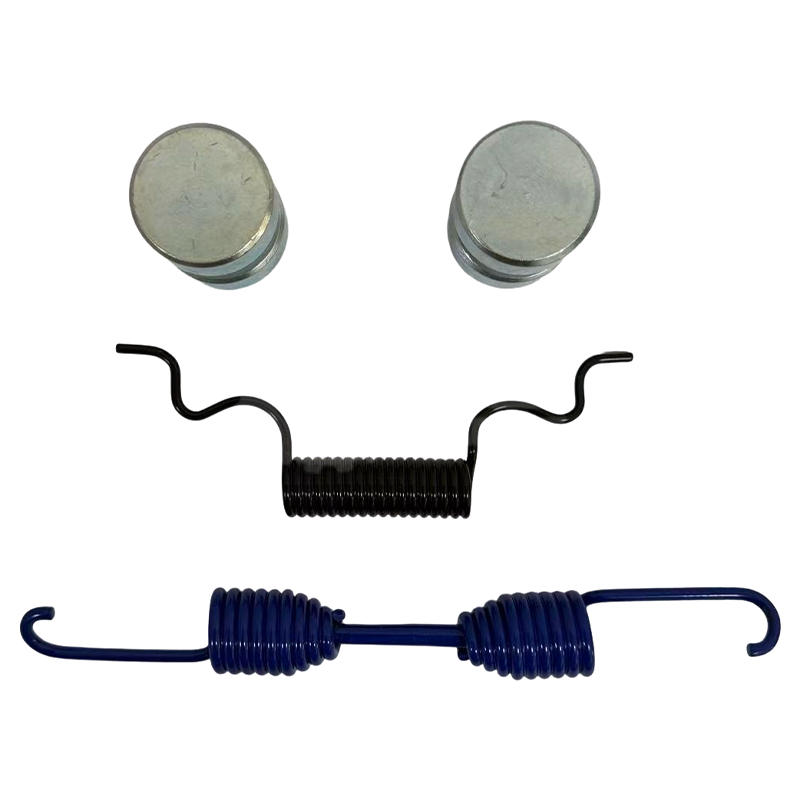
The1308E E-5139 Hardware Kits (Part No. 1308E, OEM No. E-5139) is meticulously designed to provide an effective and comprehensive solution for the res...
See DetailsGet a Free (Customized) Quote

derek@crgbrake.com
vicky@crgbrake.com

 OUR Product
What’s News
Copyright © Zhejiang Courage Auto Parts Co., Ltd. All Rights
Reserved
 Commercial Vehicles CRG Brake Parts Manufacturers