

 English
  中文简体
中文简体 

4707Q
This 4707Q A19 3222 D2006 American Brake Shoes is a premium, heavy-duty replacement component specifically engineered for commercial vehicle braking s...
See Details
Content
When a European-built trailer rolls into a workshop, the technician doesn’t reach for a generic part number—they reach for a WVA reference. That’s because European brake shoes follow a numbering system tied directly to axle design, load rating, and original equipment specifications. Selecting the right replacement isn’t a measurement exercise; it’s a cross-referencing job between the vehicle’s OE number and the corresponding WVA identifier. Getting that match right is what keeps a heavy‑duty fleet safe, compliant, and predictable on cost per kilometer.
European brake shoes are the friction‑carrying assemblies used in drum‑brake systems on heavy‑duty trucks, trailers, and buses built to European standards. They are commonly found on BPW, SAF, Mercedes‑Benz, Volvo, and MAN axles. Unlike the size‑first approach typical of North American catalogues, the European aftermarket centres on the WVA numbering system. A WVA number—issued by the Wirtschaftsverband der Fahrzeugindustrie—uniquely identifies the shape, curvature, and attachment points of a brake shoe, making it the primary language for compatibility.
The critical design departure from many American‑style shoes is the widespread use of cast‑iron platforms. European heavy‑duty applications often specify a cast brake shoe (cast iron or cast steel) instead of a welded pressed‑steel skeleton. Cast construction delivers higher rigidity under sustained braking temperatures and resists deformation on high‑cycle trailer axles. That structural choice goes hand in hand with distinct rivet‑hole patterns and cam‑roller pockets that follow OE‑validated geometries. In practice, a BPW axle will accept only shoes whose base casting matches the factory‑specified radius, bore spacing, and anchor‑pin configuration—parameters a WVA number captures precisely.
North American heavy‑duty brake shoes are dominantly manufactured from pressed‑steel webs welded to a rolled table, a process that keeps unit weight and material cost low. European designs, in contrast, lean heavily on cast geometries. Cast iron shoes provide higher structural stiffness under thermal load, a decisive advantage on long downhill grades where drum temperatures routinely exceed 400 °C. The casting also creates a stable platform for the lining—whether riveted or bonded—and reduces the risk of table‑distortion cracking that can appear on welded assemblies after millions of cycles. Fleet data from European logistics operators show that cast shoes routinely outlast pressed shoes on trailer axles by 15–25 %, particularly when paired with premium 23K‑FF friction material.
Lining attachment style differs as well. European OE designs favour bolted or heavy‑duty riveted fixation with precisely countersunk holes, whereas many American aftermarket shoes use lighter‑gauge rivets or adhesive bonding. Maintaining the factory attachment method is essential: substituting a bonded lining on a shoe designed for rivets can alter thermal transfer and lead to lining separation under shock loads.
The WVA number is the gateway to correct selection. Every European brake shoe is linked to a WVA reference that describes the shoe’s outer dimensions, roller‑slot profile, and anchor‑pin diameter. In parallel, each vehicle platform carries an OEM part number—for example, BPW’s 05.091.46.17.0 or Volvo’s 3095196. Reliable aftermarket catalogues map the OEM number to the corresponding WVA, and then the WVA to available lining grades and hardware kits.
Ignoring the WVA and ordering by drum diameter alone leads to mismatched anchor‑pin positions, incorrect cam‑roller engagement, and compromised brake balance. A shoe that “looks right” but carries the wrong WVA can slip under the roller during a full‑pressure application, creating a dangerous pull. Cross‑reference the vehicle ID plate, verify the OEM number, and confirm that the supplier’s WVA records align before placing an order.
The European commercial‑vehicle parc covers dozens of axle variants, but three families dominate aftermarket demand. Identifying the shoe by its axle family and WVA‑associated lining number removes guesswork.
| Axle / Vehicle Family | Example Model | Typical OE Number | Associated WVA Lining |
|---|---|---|---|
| BPW | BPW180 | 05.091.46.17 | 19032 |
| BPW | BPW200 | 05.091.27.83 | 19032 (shared) |
| Volvo Truck | Volvo200 | 3095196 | 19032 / 19843 |
| Mercedes‑Benz Truck | Benz180 | 659 420 0619 | 19032 / 19843 |
BPW axles equip a large share of European‑style semi‑trailers and drawbar trailers. The BPW180 and BPW200 platforms are the workhorses—BPW180 appearing on 9‑to‑12‑tonne rated axles, BPW200 on heavier variants. Both use a cast‑iron shoe body with drilled anchor‑pin bosses and a cam‑roller slot sized for standard S‑cam actuation. The BPW180 design, available as a ready‑to‑fit assembly (see BPW180 brake shoe details), accepts a WVA‑19032‑profile lining and can be supplied with the hardware kit pre‑assembled, cutting workshop fitting time. Aftermarket replacements for BPW shoes must maintain the factory‑set roller‑to‑shoe clearance; even a 0.3 mm deviation alters the lift‑off point and disturbs brake balance across the axle.
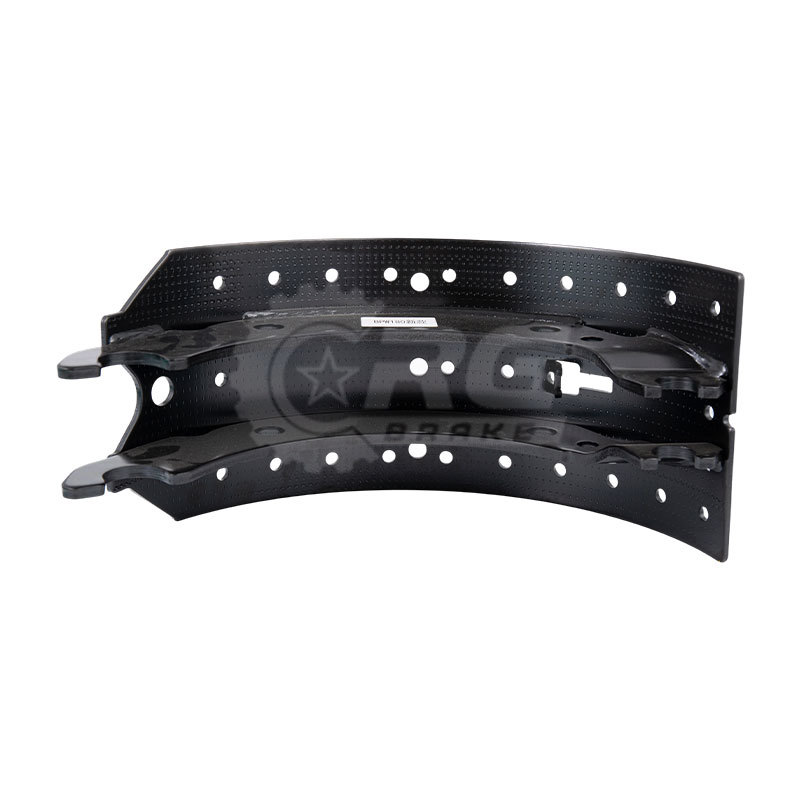 BPW180 05.091.46.17.0 European Brake Shoes Manufacturers, custom CompanyCRG Brake - Custom BPW180 05.091.46.17.0 European Brake Shoes Manufacturers and Company is China,, Part No BPW180 Brake Shoe OEM Numb...View Product →
European truck manufacturers specify brake shoes that fit their own axle housings, often sharing the same lining geometry but varying in base‑casting details. The Volvo200 shoe, identified by OE number 3095196, is common on Volvo FH and FM series tractor units. It is a cast component engineered for high‑frequency braking cycles and regular exposure to engine‑brake retarder heat. Volvo200 European brake shoe specifications show a symmetrical rivet pattern that supports bonded‑and‑riveted linings for extra shear resistance. Mercedes‑Benz applications such as the Benz180 (OE 659 420 0619) follow a similar philosophy: the cast shoe integrates a hardened roller pocket that resists brinelling even when auxiliary retarders push drum temperatures above 500 °C. Both designs highlight why the aftermarket must replicate the exact OE casting—substituting a pressed shoe would overload the roller path and accelerate lining wear.
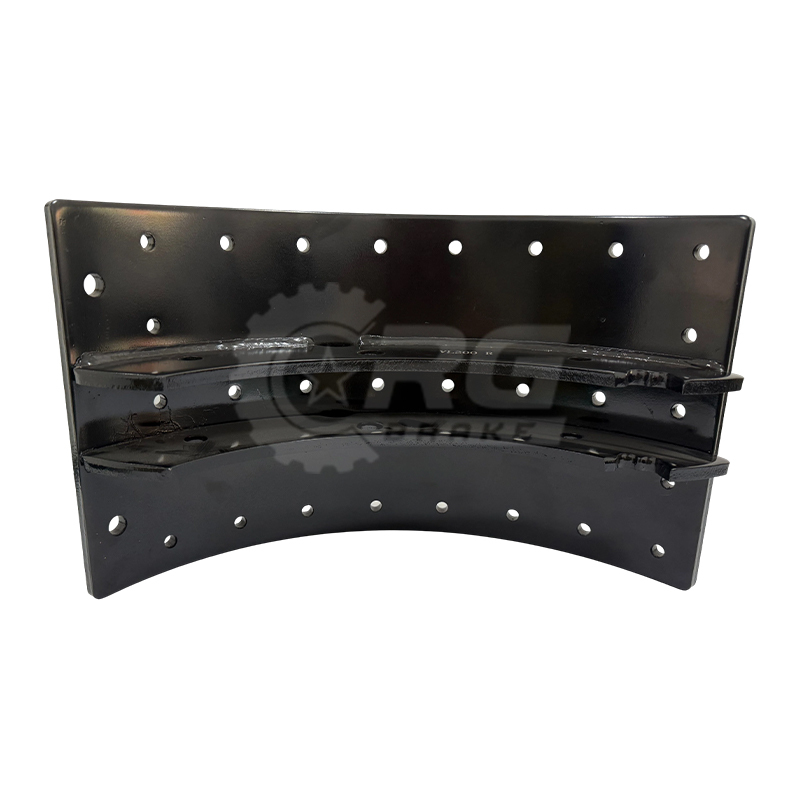 VOLVO200 3095196 European Brake Shoes Manufacturers, custom CompanyCRG Brake - Custom VOLVO200 3095196 European Brake Shoes Manufacturers and Company is China,, Part No VOLVO200 Brake Shoe OEM Number ...View Product →
Selecting between cast and pressed construction is not a cost decision alone; it is a durability equation driven by axle load and duty cycle. Cast shoes dominate in heavy‑duty, long‑haul applications where thermal fatigue and mechanical distortion are daily realities. Pressed‑steel shoes, while lighter and cheaper to produce, are better suited to medium‑duty trailers or rigid trucks that operate mostly at regulated speed limits with infrequent severe braking. The casting process allows manufacturers to incorporate reinforcing ribs directly behind the table, improving heat dissipation and dimensional stability. When a fleet switches from pressed to cast shoes on a 40‑tonne trailer, brake‑shoe service intervals often extend by one full lining change because the shoe itself stays true. Mercedes‑Benz cast brake shoe example shows how the ribbed back structure and integrally cast roller pocket work together. For fleets running mixed‑brand European equipment, evaluating cast brake shoe options for Volvo and Mercedes as a unified aftermarket strategy simplifies inventory and raises axle reliability.
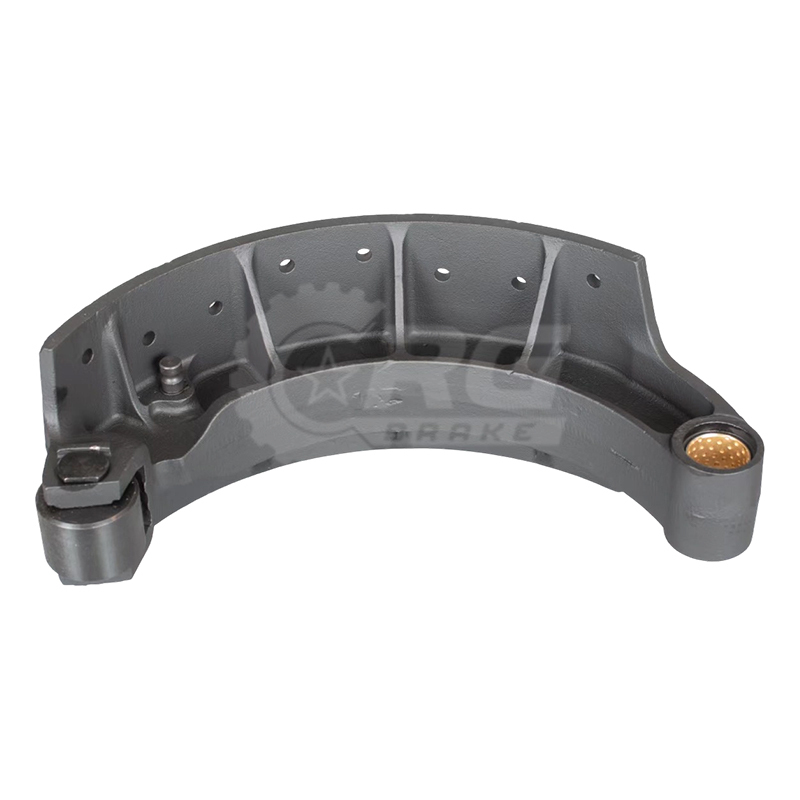 BENZ180 659 420 0619 Cast Brake Shoes Manufacturers, custom CompanyCRG Brake - Custom BENZ180 659 420 0619 Cast Brake Shoes Manufacturers and Company is China,, Part No BENZ180 Cast Brake Shoe OEM Num...View Product →
A disciplined selection process prevents mismatched parts, roadside breakdowns, and the hidden cost of accelerated drum wear. Start with the vehicle identification plate; it carries the axle manufacturer and the original equipment number. Cross‑reference that OE number against the supplier’s WVA lookup to confirm the exact shoe profile. Then verify the friction material grade—23K‑FF linings, for example, deliver consistent coefficient of friction across a wide temperature window and are the default recommendation for heavy‑duty European brake shoes unless a special‑application compound is specified.
Next, decide on the supply level. A bare shoe requires separate lining, riveting, and hardware activities inside the workshop, adding labour and variability. A lined shoe with pre‑installed friction material removes the riveting step but still requires the mechanic to source and fit the hardware kit. The most operationally efficient choice for fleet workshops is a complete assembly: shoe, lining, and hardware kit factory‑matched and ready to install. This approach eliminates component mixing errors and guarantees that the return‑spring tension, roller clearance, and anchor‑pin fitment are engineered as a system. Explore lined brake shoes with hardware kits for complete assemblies to understand how pre‑assembled units reduce downtime.
Finally, evaluate supply‑chain responsiveness. European brake shoes are not commodities; they are precision‑cast safety components. A factory supplier that can produce to OE drawings, adjust friction formulations for regional duty cycles, and ship in volume without multi‑month lead times gives a fleet the confidence to run leaner parts inventories.
Working directly with a manufacturer collapses the traditional distributor chain and puts engineering control back into the buyer’s hands. A factory‑direct supplier can confirm casting metallurgy, lining bond‑shear strength, and dimensional tolerances with internal laboratory reports—not just a brochure. CRG Brake has been engineering brake shoes for European commercial vehicles for more than two decades, operating an integrated production line that starts with raw material compounding and ends with riveted, assembled, and boxed kits. That vertical integration means a single point of responsibility for every component inside the box.
Customisation becomes practical at factory scale. A fleet that hauls timber in Scandinavia may need a high‑friction, low‑temperature compound; a Middle East operator running desert routes may require a heat‑stable formulation with reduced fade. A factory supplier can tailor the friction formula and even adjust hardware‑kit spring rates without the long delays typical of third‑party trading companies. The ability to deliver made‑to‑order European brake shoes with the same WVA‑verified geometry as the OE part creates a procurement advantage that resellers cannot replicate. For a closer look at the production capabilities, testing infrastructure, and quality‑management framework behind this supply model, read about CRG Brake’s factory capabilities. When uptime is measured in minutes and safety is non‑negotiable, a direct partnership with the factory that builds the shoes is a strategic, not just a transactional, move.
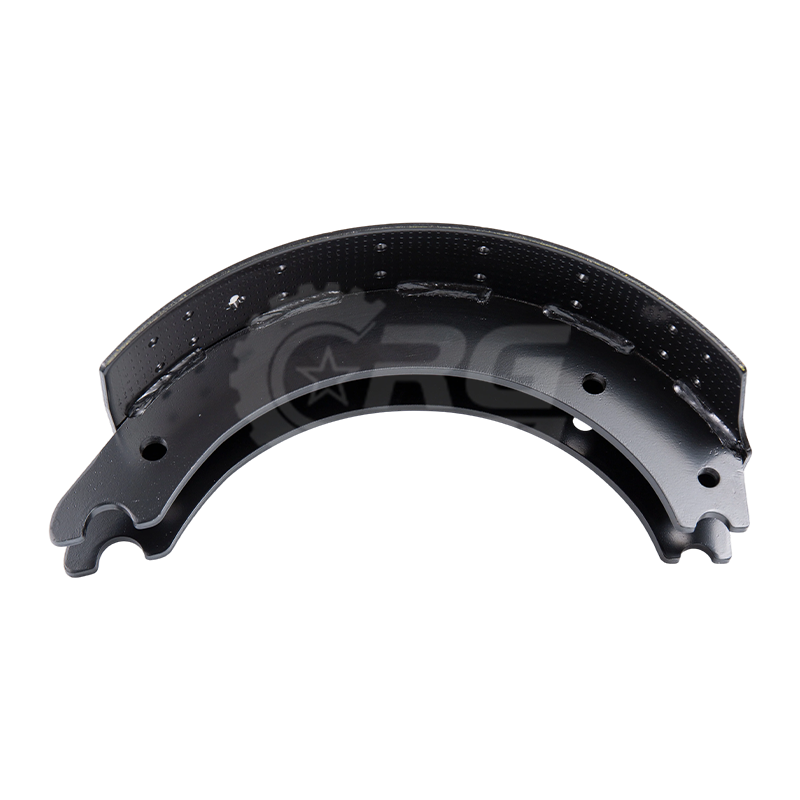
This 4707Q A19 3222 D2006 American Brake Shoes is a premium, heavy-duty replacement component specifically engineered for commercial vehicle braking s...
See Details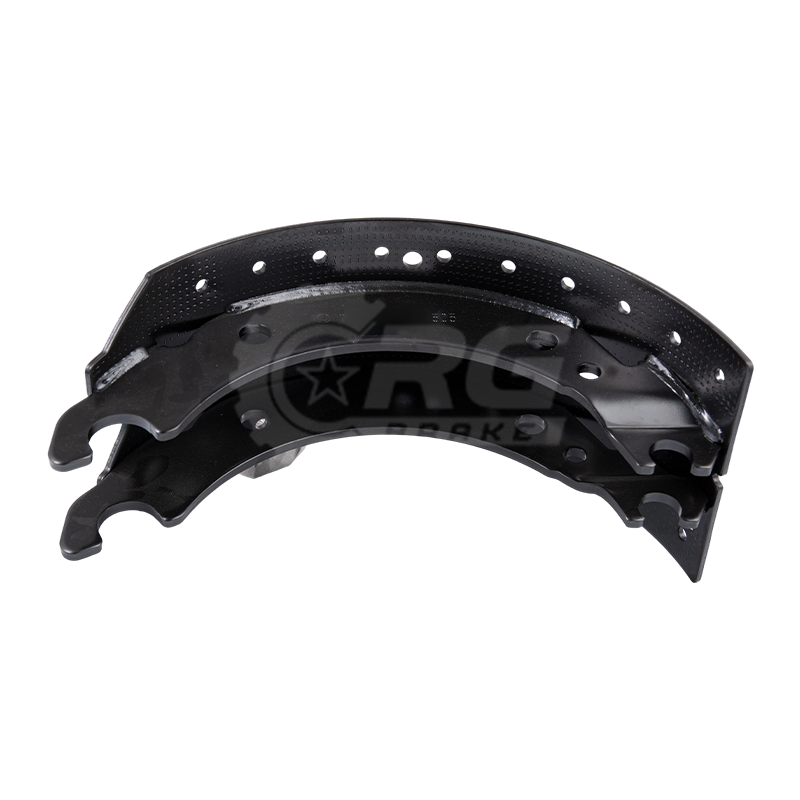
The BPW180 05.091.46.17.0 European Brake Shoes stands out as a high-performance component in commercial vehicle braking systems, trusted for its excep...
See Details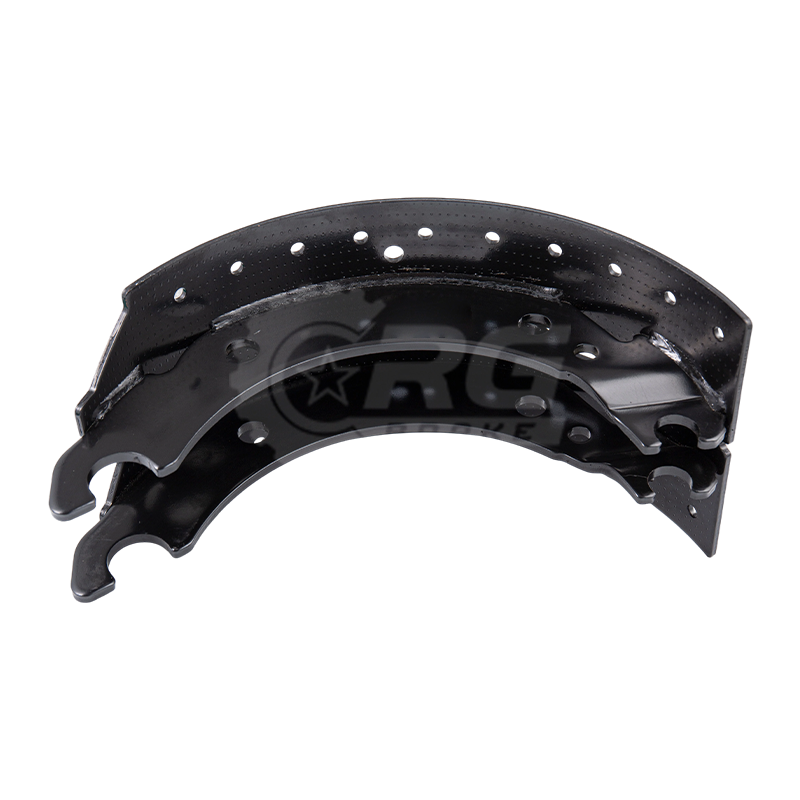
The BPW200 05.091.27.83.0 European Brake Shoes, with a size specification of 420×200mm, is a high-performance aftermarket replacement component that i...
See Details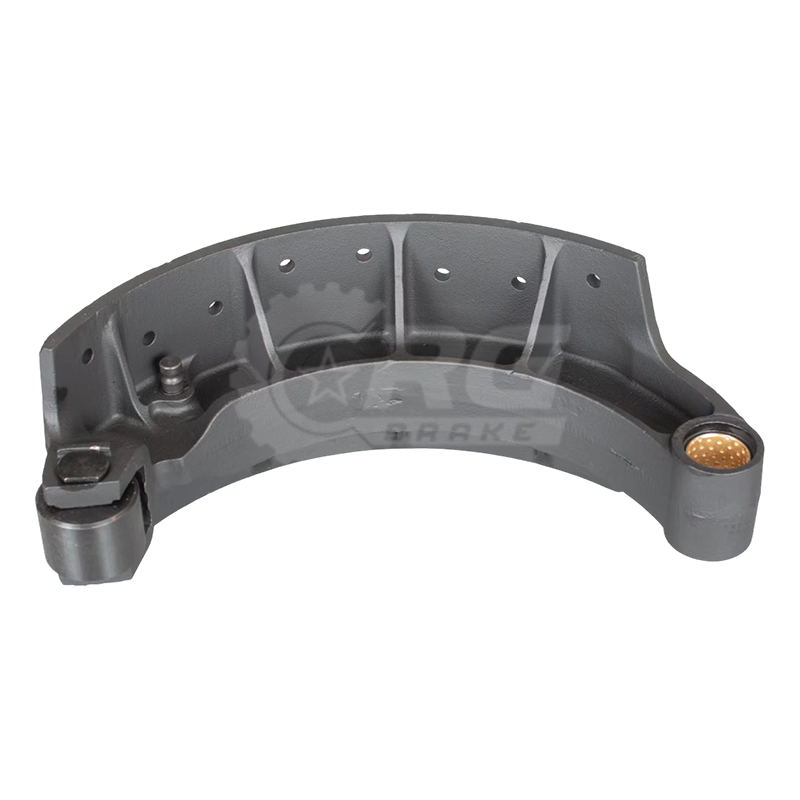
BENZ180 659 420 0619 Cast Brake Shoes, with precise dimensions of 410×180mm, is meticulously engineered to meet the rigorous demands of commercial and...
See Details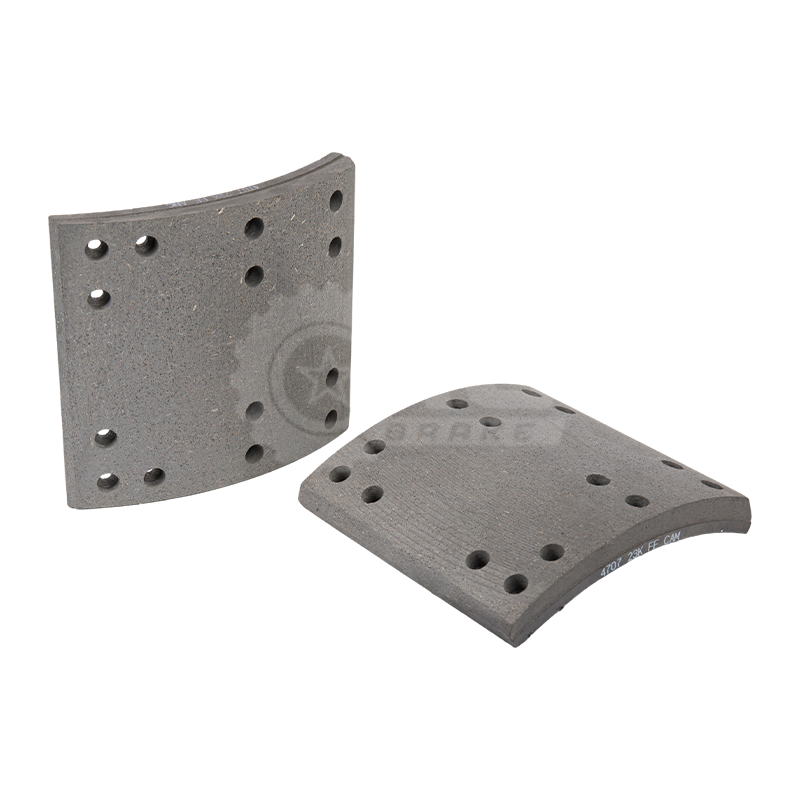
The 4707 American Brake Linings are engineered to deliver outstanding braking performance, specifically designed to handle the rigorous demands of hea...
See Details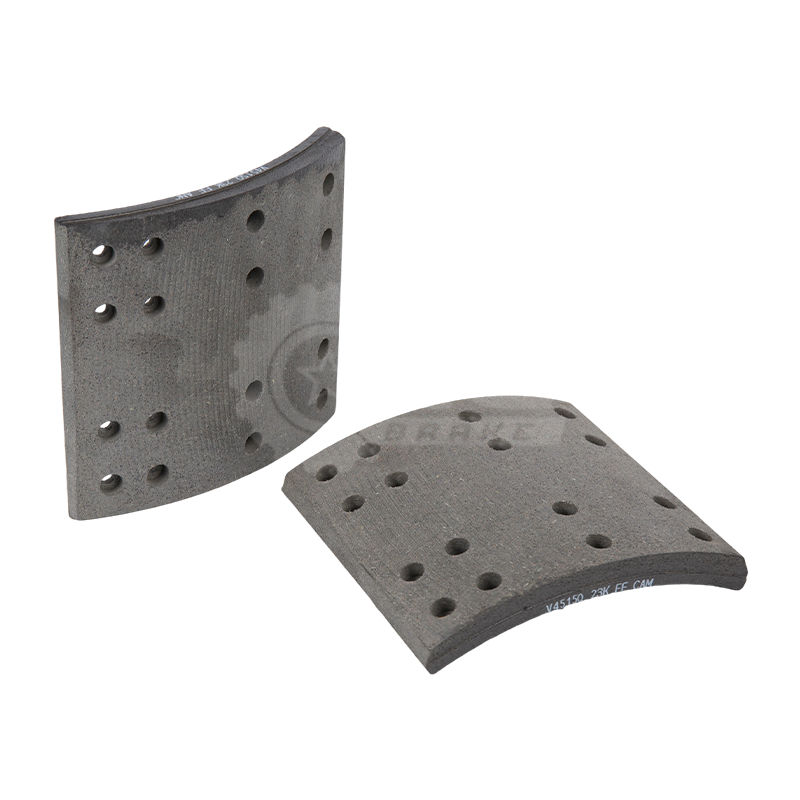
The 4515 American Brake Linings brake shoe is designed with a standard 16.5" x 7" dimension, which has been widely recognized as an optimal size for m...
See Details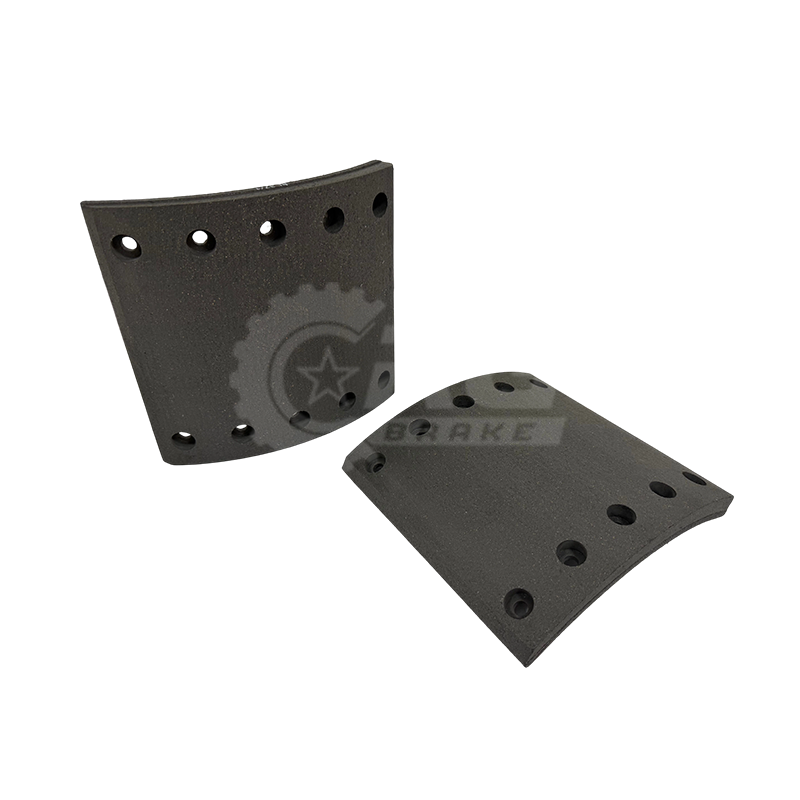
This 19032 European Brake Lining, with dimensions of 420mm in length and 180mm in width, is a premium, high-performance friction component meticulousl...
See Details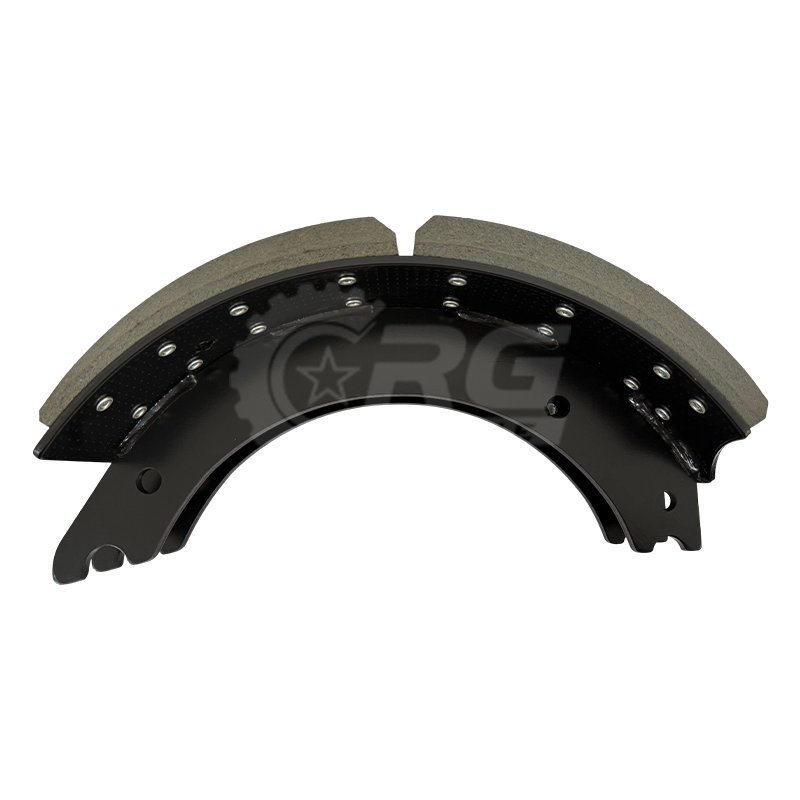
The 4718Q A3222 J2272 Lined Brake Shoes are meticulously engineered to offer exceptional durability and superior performance, specifically designed fo...
See Details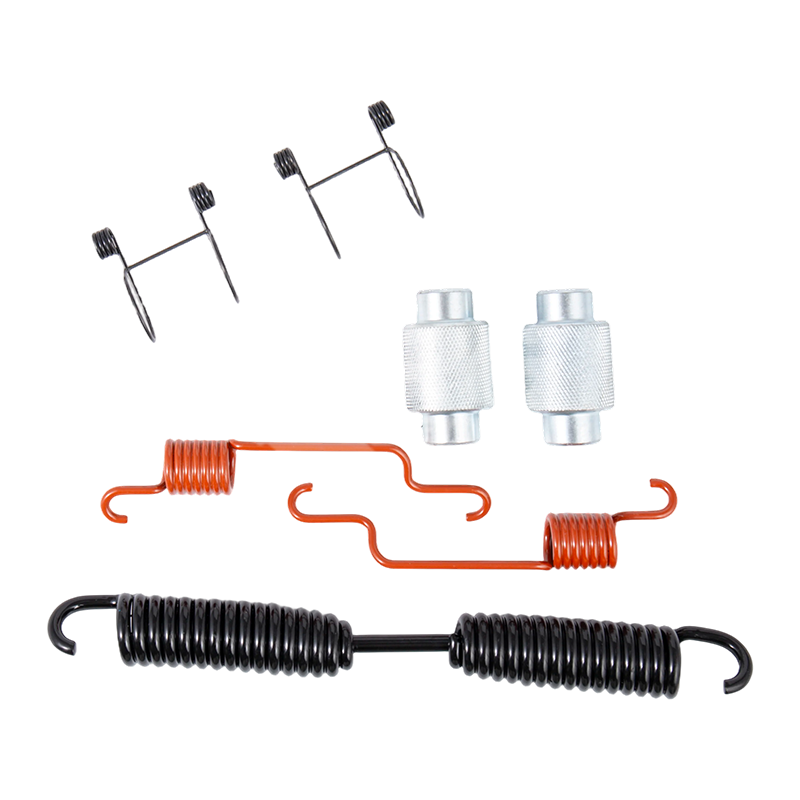
This hardware kit, model E-10244S with part number 4709ES2, is a premium-grade brake repair kit meticulously engineered for comprehensive vehicle brak...
See Details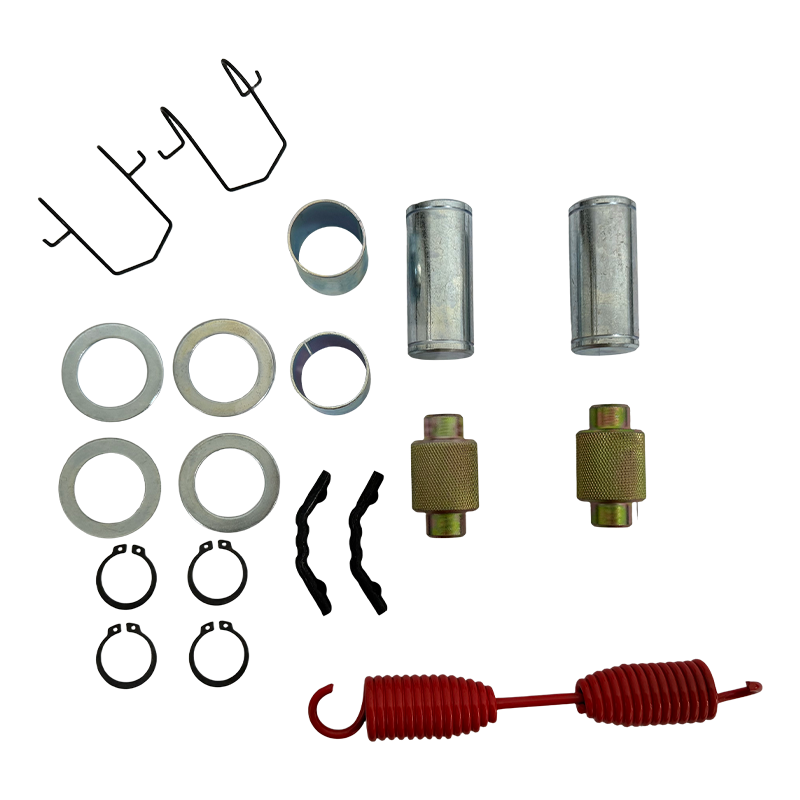
The 4515E E-1816SHD Hardware Kits, identified by the OEM Number E-1816SHD, represents a high-quality and comprehensive hardware set meticulously engin...
See DetailsGet a Free (Customized) Quote

derek@crgbrake.com
vicky@crgbrake.com

 OUR Product
What’s News
Copyright © Zhejiang Courage Auto Parts Co., Ltd. All Rights
Reserved
 Commercial Vehicles CRG Brake Parts Manufacturers